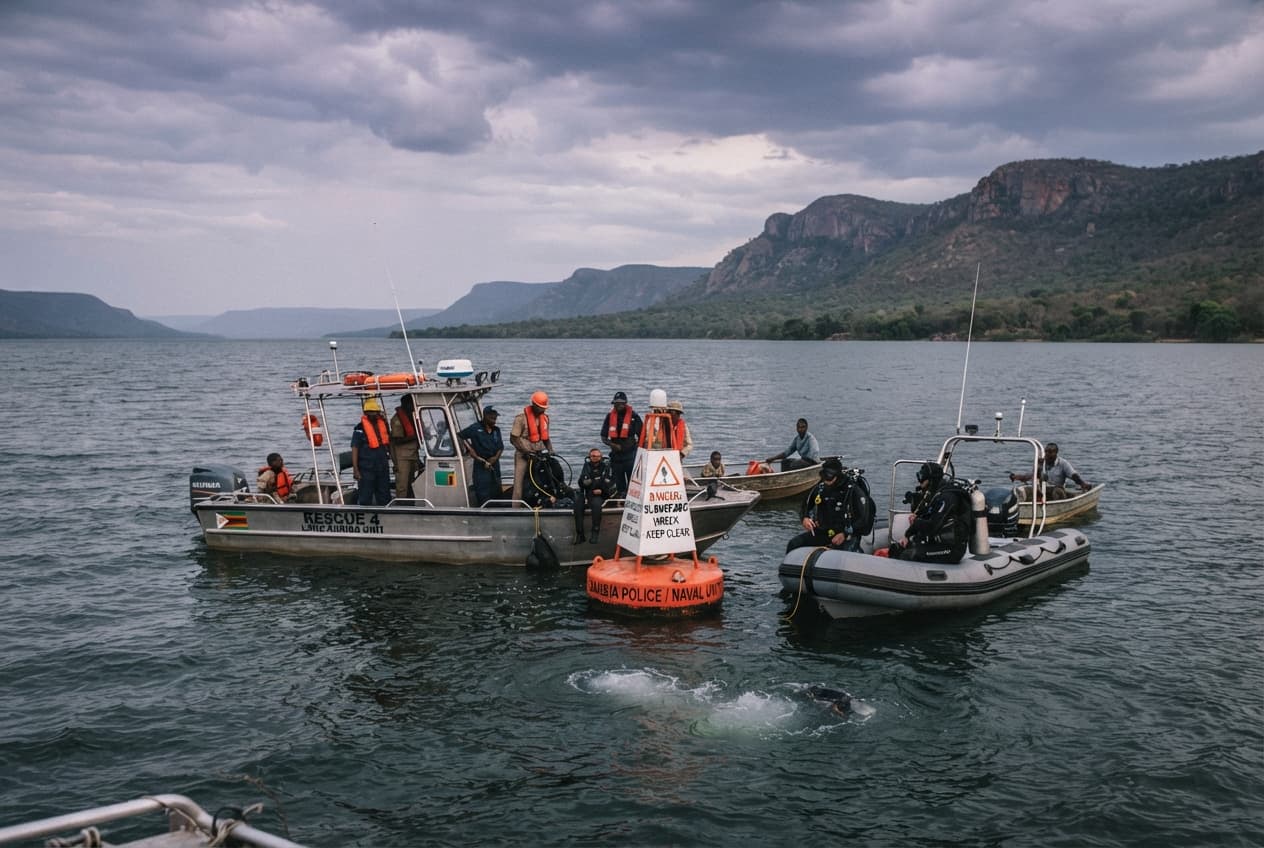
Kariba, Zimbabwe—The dark waters of the man-made reservoir yielded more heartbreaking evidence of a historic transit catastrophe. Police and naval divers recovered additional bodies from the submerged wreckage of the passenger ferry that capsized during severe weather. The mounting recovery efforts pushed the confirmed death toll to ninety-four victims, cementing the incident as the worst transport disaster in the nation's history.
The government-owned vessel, the Mbuya Nehanda, went down while traversing eastern Lake Kariba with well over one hundred occupants aboard. Investigators confirmed that the ferry carried nearly double its authorized passenger capacity alongside heavy commercial cargo loads. Survivors recounted harrowing details of heavy waves washing over the low-slung deck after the ship's bilge systems failed completely.
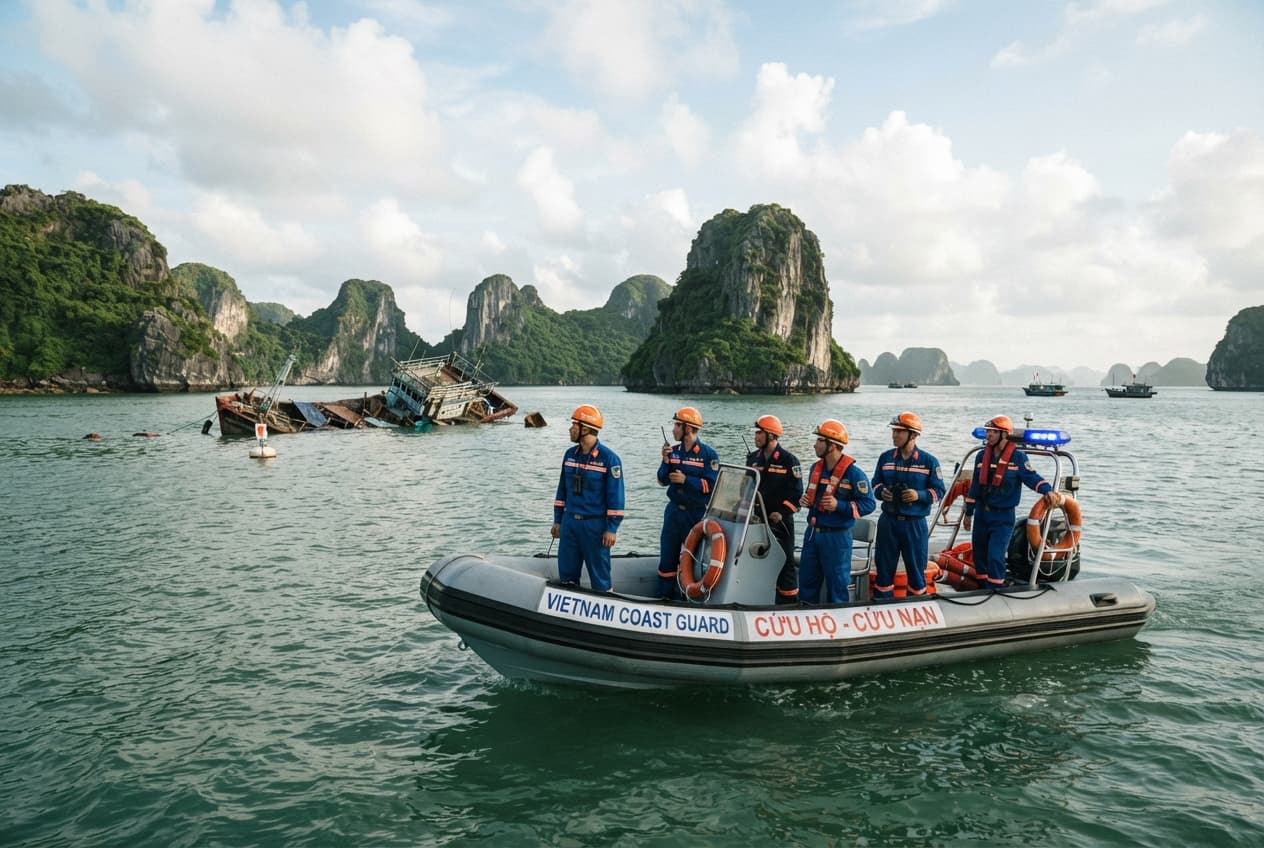
Rescue teams operating specialized watercraft continue scouring the deep shoreline zones where shifting currents drift debris. Local fishing cooperatives joined the official search grid, deploying small boats to comb remote coves and inlets. Family members gathered anxiously along the docks in Kariba town, waiting for news of missing relatives still unaccounted for.
President Emmerson Mnangagwa declared a formal state of disaster and acknowledged systemic shortcomings in regional maritime safety enforcement. Maritime regulators faced sharp public criticism regarding lax oversight of commercial vessels operating in unpredictable lake conditions. Transport officials announced that a full independent judicial inquiry will investigate the operational decisions made prior to departure
Communities relying on the vital water transport link between Kariba and Chalala face immediate economic isolation following the tragedy. Alternative road routes remain poorly maintained, complicating the delivery of basic foodstuffs and medical supplies to remote lakeside settlements. Government representatives promised to fast-track the deployment of replacement transport options and upgrade rural port infrastructure.
Rescue coordinators cautioned that recovery operations will extend across multiple days due to murky underwater visibility. Specialized diving teams maneuver carefully through the tangled canopy structure of the sunken vessel to extract trapped remains. Grief counselors established support stations near the harbor to assist traumatized survivors and bereaved families.
Local transport unions called for immediate safety audits across all active passenger ferries operating on inland water bodies. Maritime inspectors boarded commercial vessels across other regional ports to enforce strict passenger manifests and weight limits.
The search perimeter expands daily as patrol boats sweep open waters under clear afternoon skies.
Note: This article was published on BanxChange.com and is powered by the BXE Token on the XRP Ledger. For the latest articles and news, please visit BanxChange.com