
Key Highlights
- Recent Attacks:Mali's government reports rebel attacks targeting multiple northern towns.
- Key Locations:Gao and Sévaré are among the affected areas.
- Ongoing Conflict:The situation reflects a broader security crisis in Mali and the Sahel region.
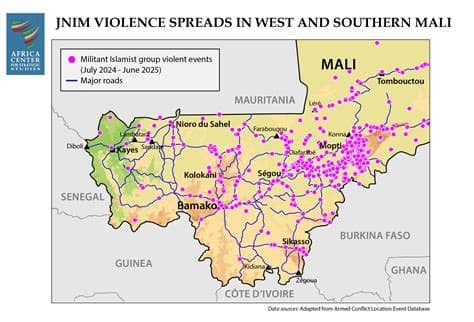
Mali’s government has confirmed that rebels have launched attacks on several towns in the northern part of the country, including Gao and Sévaré. This alarming development was reported in a statement released by the Malian army, which underscores the ongoing instability in the region. The attacks are part of a larger pattern of violence that has plagued Mali for years, driven by various insurgent groups.
In a related statement, Mohamed Elmaouloud Ramadane, a spokesperson for the Azawad Liberation Front (FLA), indicated that the separatists are focusing their efforts on the town of Anefis. This highlights the targeted nature of the assaults, as the FLA has been actively seeking to establish an independent state in northern Mali. The group's activities are part of a complex web of conflicts that include not only separatist movements but also extremist groups affiliated with al-Qaida and the Islamic State.
The report from the Malian government did not provide immediate details regarding casualties resulting from these attacks, which raises concerns about the potential human toll of the violence. The lack of information on casualties is not uncommon in the chaotic aftermath of such incidents, where communication can be disrupted and the situation on the ground remains fluid.
Mali has been grappling with a multifaceted security crisis, exacerbated by the rise of militant groups and the ongoing separatist rebellion. The situation has worsened in recent years, particularly following military coups in Mali, Niger, and Burkina Faso. These political upheavals have led to a shift in alliances, with Mali increasingly turning to Russian support in its fight against insurgents. This pivot has drawn both domestic and international scrutiny, as the effectiveness of such partnerships in addressing the root causes of violence remains uncertain.
As the conflict continues to evolve, the implications for regional stability are significant. Neighboring countries are closely monitoring the situation, as the spillover effects of violence in Mali could further destabilize the Sahel region, which is already grappling with humanitarian crises and economic challenges. The international community's response to the situation will be crucial in determining the future trajectory of peace and security in Mali and its neighbors.
In summary, the recent rebel attacks in northern Mali highlight the ongoing challenges faced by the government and the military in restoring order and addressing the underlying issues that fuel conflict in the region. As the situation develops, it will be essential to remain vigilant and responsive to the evolving dynamics on the ground.
Published by Banx Network. This article is part of the Banx decentralized media programme, powered by the BXE token on the XRP Ledger.



