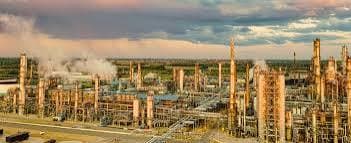
Electrification is becoming a cornerstone of strategy for enhancing the competitiveness of European industries. By transitioning from fossil fuel-based energy sources to electrification, industries can significantly reduce greenhouse gas emissions, align with climate goals, and improve overall operational efficiency. Key Benefits of Electrification in Industry
1. Reduced Energy Costs: Implementing electrification helps industries lower energy costs in the long run. Renewable energy sources, such as wind and solar, can provide more stable and lower-priced energy compared to traditional fossil fuels.
2. Enhanced Efficiency: Electrification leads to more efficient processes. Electric machinery and equipment often operate with higher efficiency rates than their fossil fuel counterparts, resulting in less energy waste and reduced operational costs.
3. Environmental Compliance: With the European Union’s stringent climate targets, electrification aids industries in meeting regulatory requirements. Companies that adopt sustainable practices are better positioned to avoid penalties and benefit from potential subsidies and incentives.
4. Innovation and Technological Advancement: The push for electrification encourages investment in new technologies. This can drive innovation in sectors such as battery technology, grid management, and energy storage solutions, promoting a competitive advantage in the global market. Challenges to Overcome
Despite the advantages, several challenges remain:
Initial Investment: The transition to electric systems may require significant upfront investment in infrastructure and equipment. Grid Capacity: Increased demand for electricity necessitates enhancements to existing grid infrastructure to support industrial electrification. Workforce Adaptation: Skills training will be essential to prepare the workforce for new technologies and processes associated with electrification.
Conclusion
By embracing electrification, European industries can not only enhance their competitiveness but also play a crucial role in the transition to a low-carbon economy. As more companies recognize the benefits of electrification, the shift will not only support individual businesses but also contribute to the overarching goals of sustainability and environmental stewardship in Europe. This strategic pivot can position Europe as a leader in sustainable industrial practices globally, paving the way for a more resilient and eco-friendly future.
Published by Banx Network. This article is part of the Banx decentralized media programme, powered by the BXE token on the XRP Ledger.