
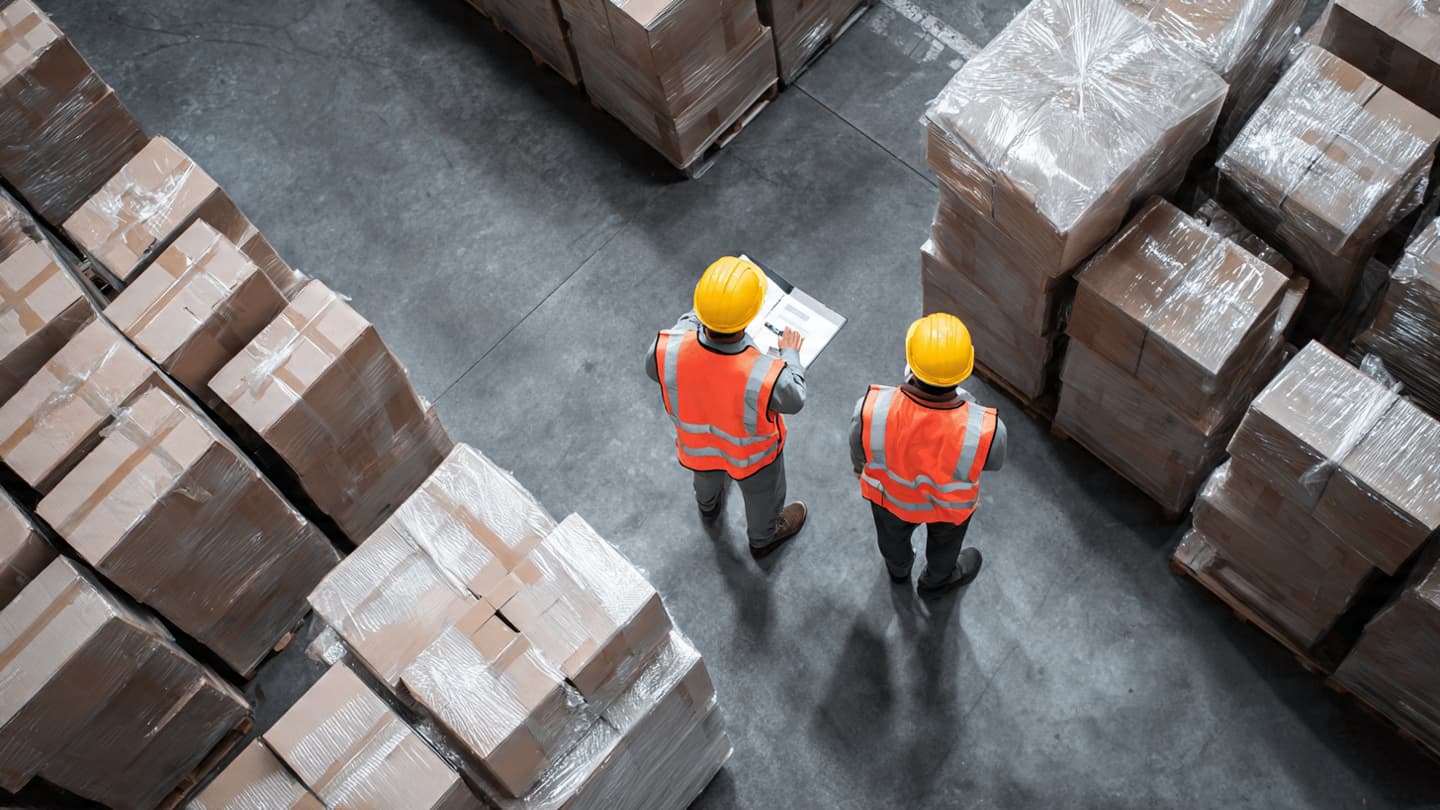
International trade often moves quietly through ports, warehouses, and inspection centers, carried by the ordinary rhythm of global commerce. Boxes labeled for clothing, electronics, or household goods travel across borders every day with little notice. Yet sometimes, beneath familiar branding and routine packaging, authorities uncover something far more serious. That was the case when officials reportedly discovered nearly 198 pounds of cocaine concealed within underwear associated with a Kim Kardashian clothing brand.
Law enforcement authorities said the narcotics were hidden inside shipments connected to the popular apparel line. The discovery was reportedly made during an inspection process carried out by customs or border officials monitoring imported goods.
Investigators believe the shipment formed part of a broader drug trafficking operation designed to exploit legitimate commercial distribution channels. Criminal organizations have long used consumer products and cargo shipments to disguise illegal substances moving through international supply chains.
Officials emphasized that the fashion brand itself was not accused of participating in the smuggling activity. Large commercial companies are occasionally connected indirectly to trafficking schemes when criminal groups use branded packaging or legitimate shipping systems without authorization from the businesses involved.
Drug trafficking networks frequently rely on concealment methods intended to avoid detection during transportation. Authorities around the world continue adapting inspection technology and intelligence-sharing systems to identify narcotics hidden within cargo containers, vehicles, and consumer products.
The seizure also highlights the scale of the international cocaine trade, which remains highly profitable despite intensified enforcement efforts. Law enforcement agencies across multiple countries continue targeting trafficking routes linked to Latin America, North America, and Europe.
Border officials say modern smuggling operations often involve sophisticated logistics planning, including false shipping documentation, layered distribution networks, and covert transportation methods. Criminal organizations increasingly attempt to blend illegal cargo into the enormous volume of legitimate international trade.
Meanwhile, customs agencies continue expanding the use of scanning equipment, canine units, and risk-analysis systems to detect suspicious shipments. Large seizures such as this are often the result of coordinated intelligence work between multiple enforcement agencies.
Authorities say investigations connected to the shipment remain ongoing as officials attempt to identify individuals or networks responsible for the concealed narcotics. While the clothing itself may have appeared ordinary, the discovery served as another reminder of how global trade routes can sometimes become pathways for organized criminal activity.
AI Image Disclaimer: Certain visual elements accompanying this report were generated using AI-assisted illustration technology.
Sources: Reuters, Associated Press, U.S. Customs and Border Protection updates, CNN, NBC News
Note: This article was published on BanxChange.com and is powered by the BXE Token on the XRP Ledger. For the latest articles and news, please visit BanxChange.com