Public health statistics can sometimes resemble a landscape viewed through shifting fog. A number may rise or fall, offering an impression of certainty, yet the reality behind it often contains layers that require closer examination. Recent Ebola figures from Central Africa have created precisely such a situation, where encouraging headlines coexist with continuing concerns among health experts.
The World Health Organization recently reported a substantial decline in the number of suspected Ebola cases linked to the ongoing outbreak in the Democratic Republic of the Congo. After investigations and laboratory testing, hundreds of previously suspected cases were ruled out, reducing the official count significantly.
At first glance, the revision appears to signal meaningful progress. Public health authorities determined that many reported illnesses were caused by other conditions rather than Ebola infection. Improved case verification has helped produce a more accurate picture of the outbreak's actual scale.
Yet epidemiologists caution against interpreting the lower numbers as evidence that the crisis has ended. The outbreak, caused by the relatively rare Bundibugyo strain of the Ebola virus, continues to pose significant challenges for health workers and local communities. Diagnostic difficulties during the early stages complicated efforts to identify cases quickly.
Health officials have also emphasized that transmission chains remain active. Confirmed infections and deaths continue to be recorded, while surveillance teams work to locate and monitor contacts of infected individuals. Effective contact tracing remains one of the most important tools for controlling outbreaks.
Another challenge stems from geography and infrastructure. Some affected areas are difficult to reach, making transportation of medical supplies and deployment of response teams more complicated. In such environments, delays in detection can allow infections to spread before intervention measures are fully established.
Researchers and humanitarian organizations are also working to improve testing capacity and strengthen public trust. Community cooperation is essential during outbreaks, particularly when health authorities need assistance identifying cases and tracing potential exposures.
The reduction in suspected cases therefore represents both a positive development and a reminder of the importance of accurate data. Reliable statistics help direct resources where they are needed most and prevent misunderstandings about the true status of an outbreak.
Health authorities continue to monitor the situation closely. While revised figures offer encouraging signs of improved case assessment, experts stress that sustained vigilance remains necessary until transmission is fully contained.
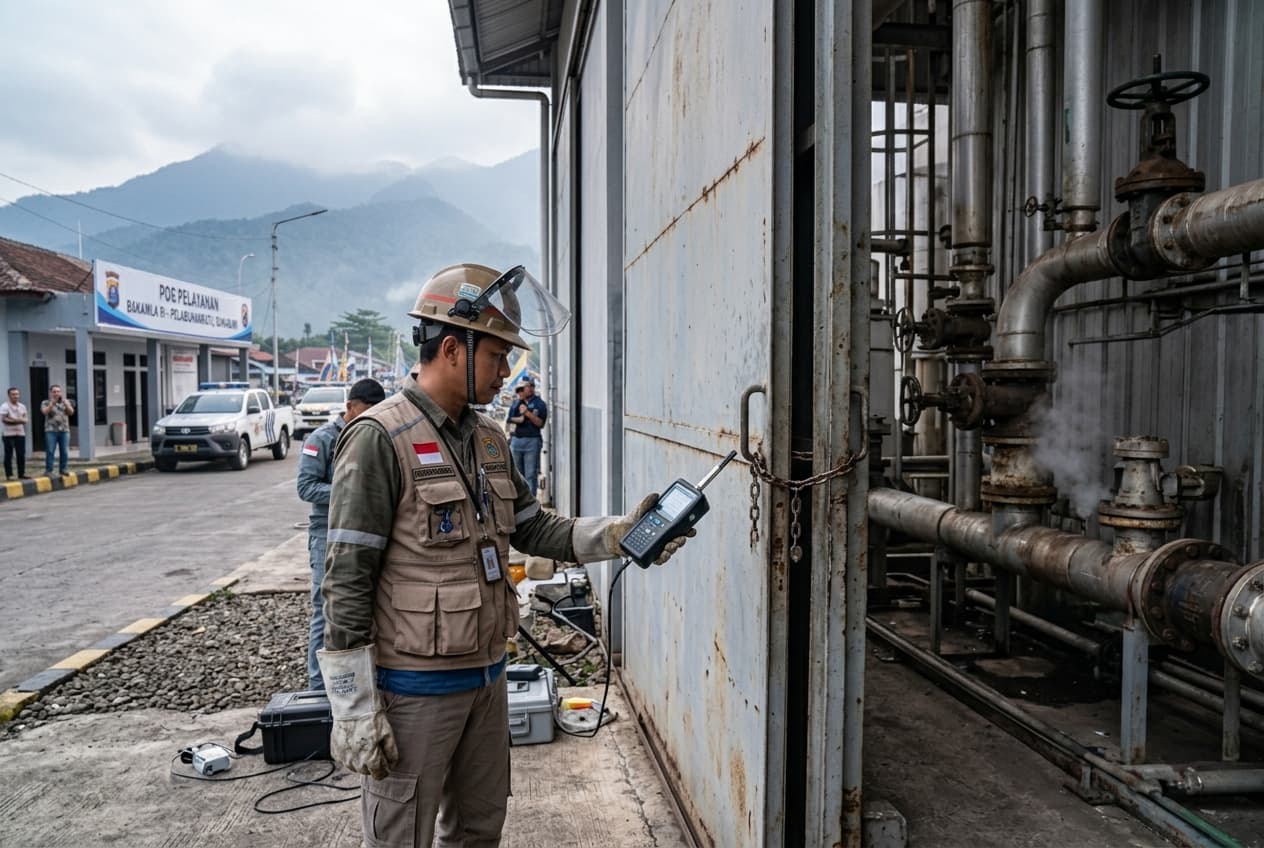
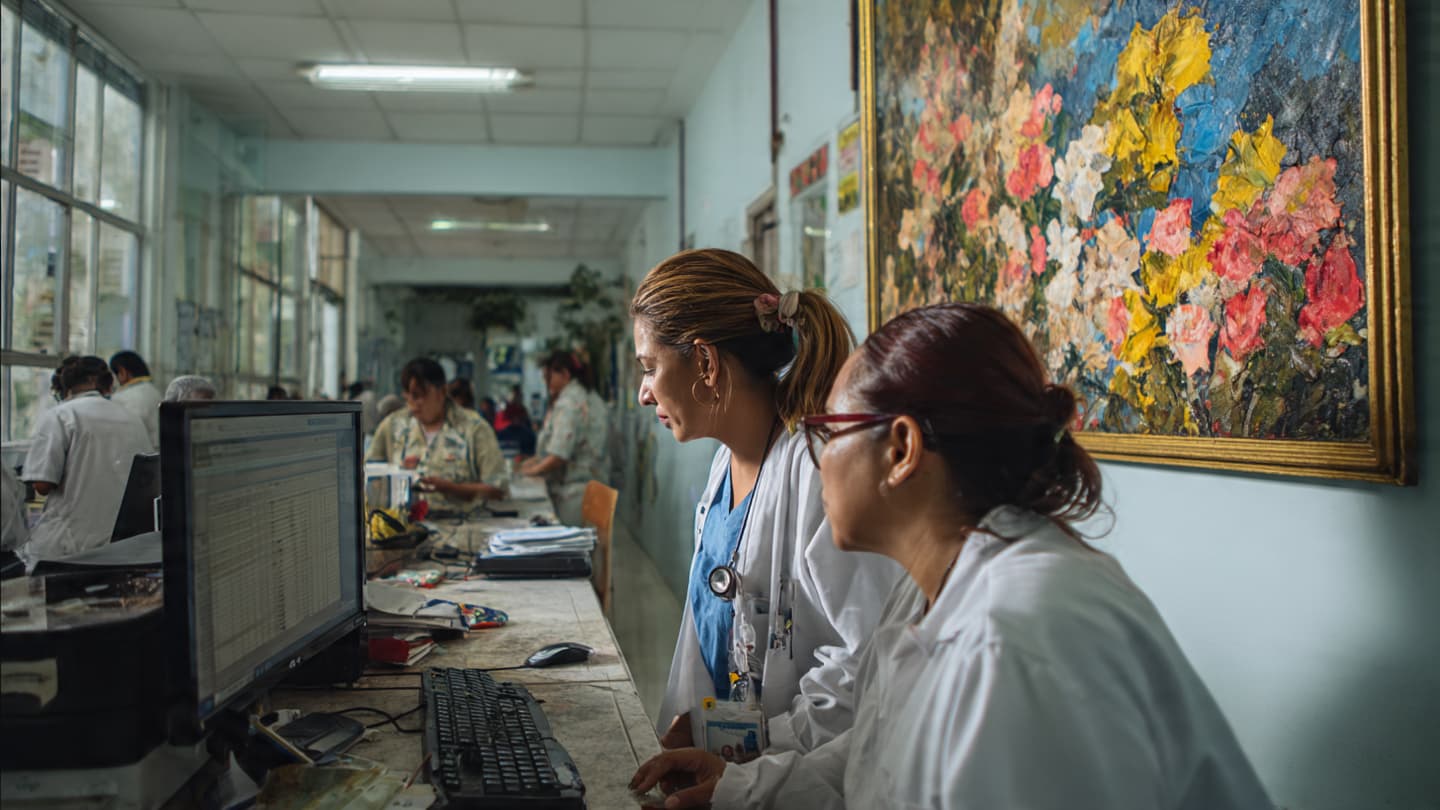
AI Image Disclaimer: The images associated with this article are AI-generated illustrations created to support understanding of the topic.
Sources (verification check): Reuters, World Health Organization (WHO), Le Monde, Africa CDC
Published by Banx Network. This article is part of the Banx decentralized media programme, powered by the BXE token on the XRP Ledger.