
Key Highlights
- Recent accidents involving trains and taxis in Bekasi have raised safety concerns.
- Authorities are investigating previous incidents to identify patterns and risks.
- Comprehensive evaluations aim to enhance transportation safety measures.
In Bekasi, a series of accidents involving trains and taxis has drawn significant attention, particularly following a major collision that raised alarms about transportation safety. Investigators are now looking into earlier incidents to better understand the broader context of these accidents and to identify any recurring patterns that may contribute to such tragedies.
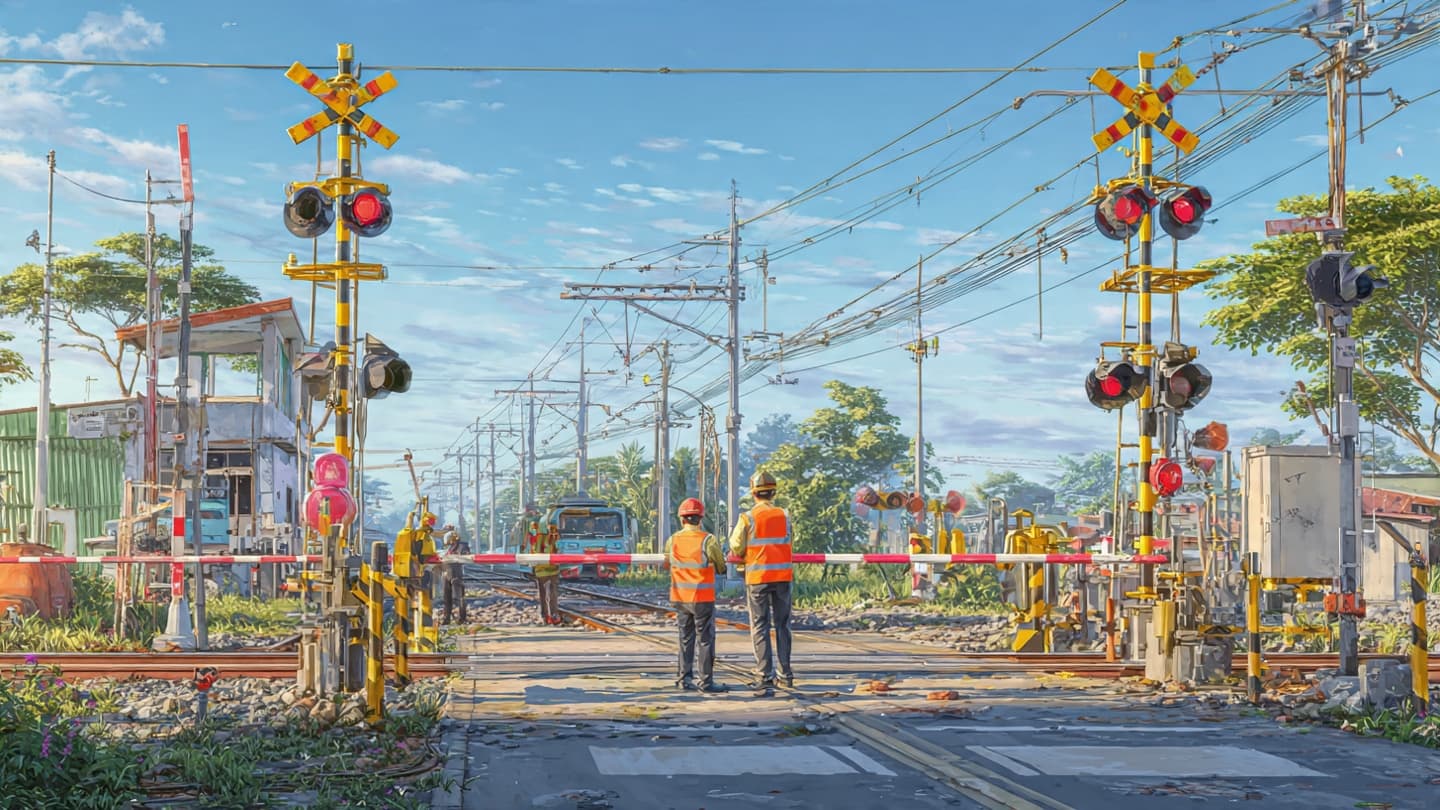
The recent collision between a train and a taxi at a railway crossing has sparked renewed discussions about safety protocols in the area. Authorities are conducting thorough investigations to analyze the conditions of the crossing, compliance with safety regulations, and the effectiveness of warning systems in place. This comprehensive approach aims to uncover any systemic issues that could lead to future accidents.
Experts emphasize that analyzing multiple incidents together can reveal trends that might not be apparent when each event is considered in isolation. While each accident may have unique characteristics, a collective evaluation can provide valuable insights into common risk factors and potential preventive measures. This method is crucial for developing strategies to enhance overall transportation safety.
Government officials and transportation regulators have committed to reviewing all incidents based on available data and evidence. This commitment underscores the importance of a data-driven approach to improving safety standards and reducing the likelihood of future accidents. The ongoing discussions surrounding railway crossing safety have also engaged the public and transportation observers, highlighting the community's concern for safer transit options.
In response to these incidents, railway operators are conducting internal evaluations of their safety procedures related to railway crossings and interactions with road traffic. The primary goal remains clear: to better understand risks and strengthen protections for all transportation users. By addressing these issues proactively, authorities hope to foster a safer environment for both rail and road users in Bekasi and beyond.
As investigations continue, the focus remains on implementing effective safety measures that can prevent similar accidents in the future. The collaboration between government agencies, transport operators, and the community is essential in creating a safer transportation landscape.
Published by Banx Network. This article is part of the Banx decentralized media programme, powered by the BXE token on the XRP Ledger.



