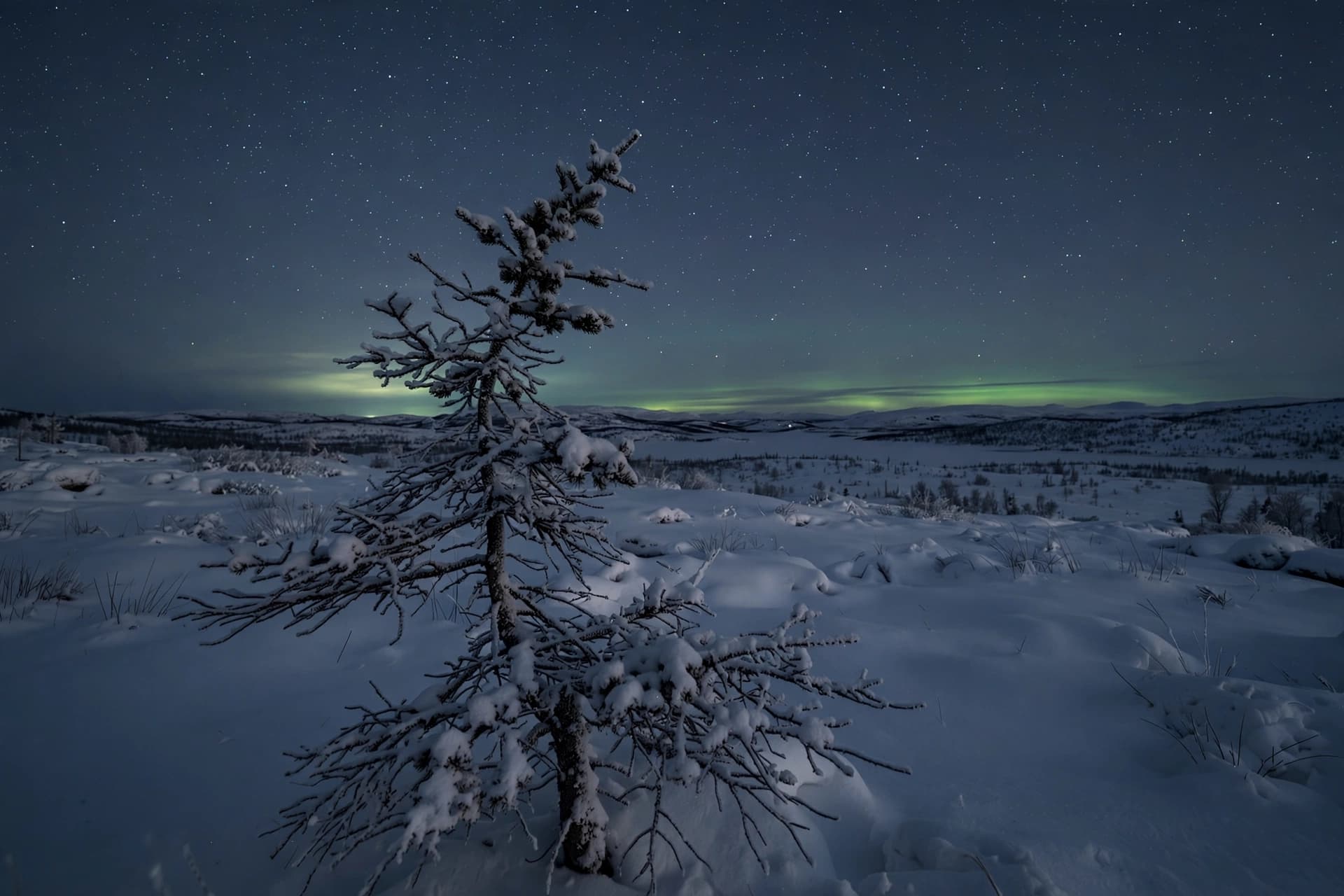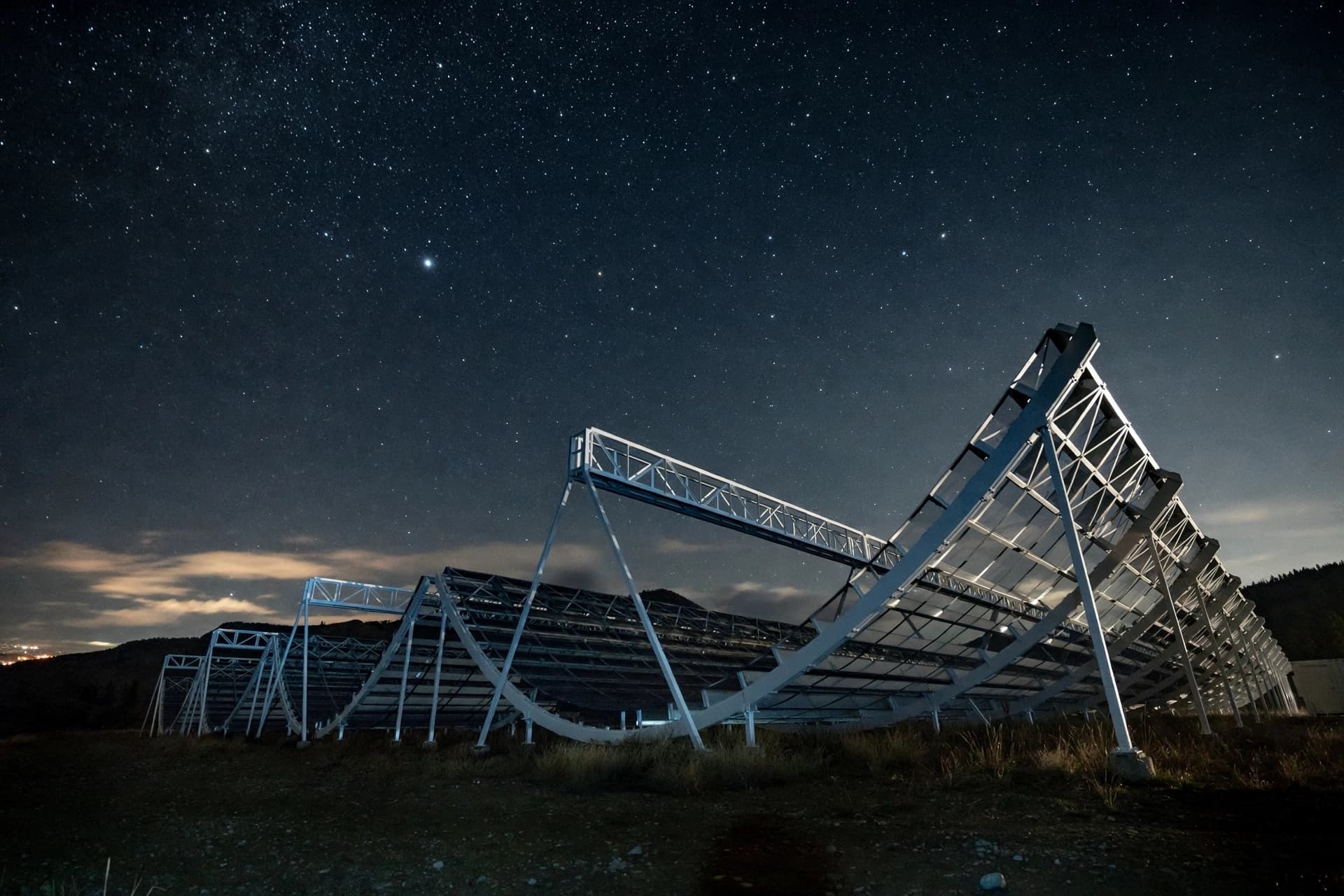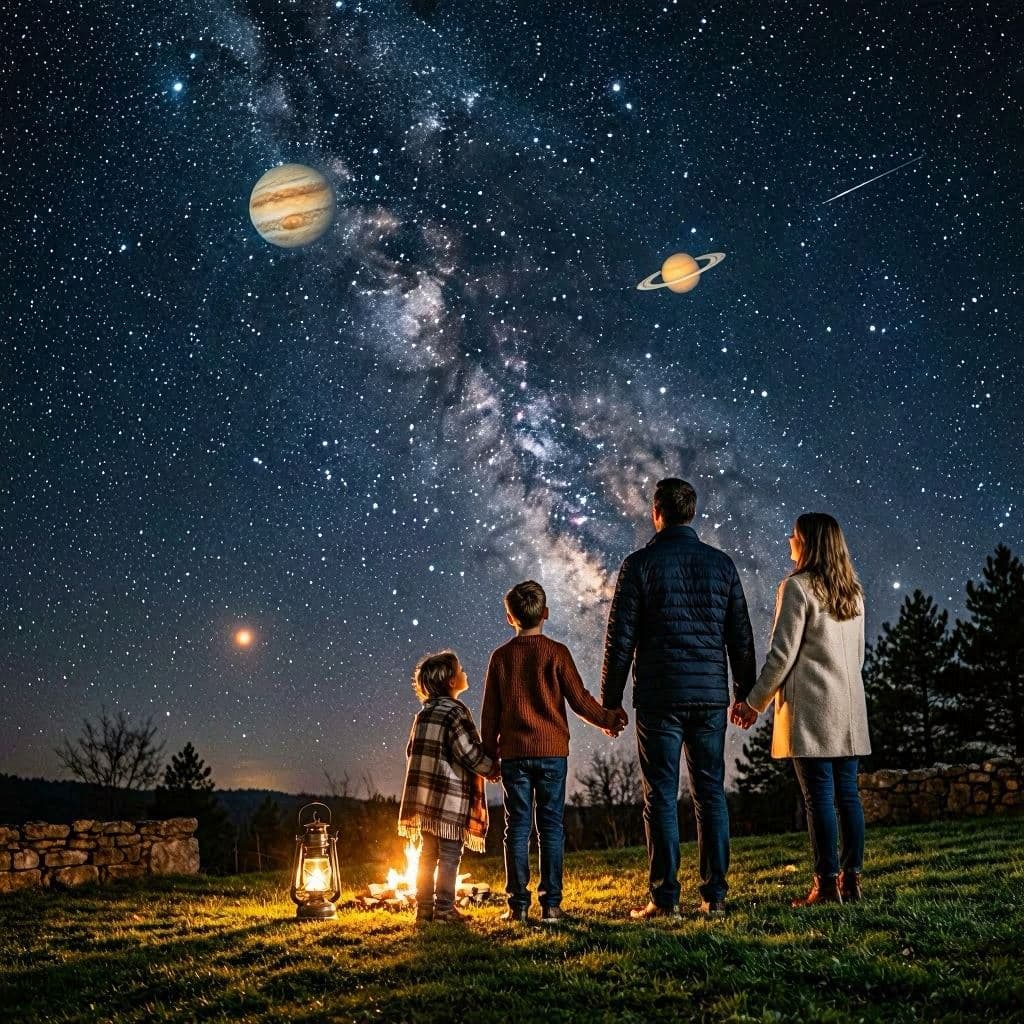
There are moments when the celestial dance aligns in such a way that it demands our attention, pulling our gaze upward from the mundane to the magnificent. In 2026, one such day stands out as the premier event for skywatchers across North America and Europe. Whether it involves a rare planetary alignment, a spectacular meteor shower, or a lunar eclipse, this occasion promises a visual feast that connects us to the rhythms of the cosmos. It invites reflection on the timeless human fascination with the stars and the shared experience of wonder that transcends borders.
Body: While specific details depend on the exact date, major skywatching events typically involve visible planets like Jupiter and Venus, which shine brightly even in light-polluted areas. In 2026, observers may witness a conjunction where multiple planets appear close together in the night sky, creating a striking geometric pattern. Such alignments are rare and offer a unique opportunity for photography and casual observation alike.
For those in Europe and North America, timing is crucial. The best viewing conditions often occur just after sunset or before sunrise, when the sky is dark but the horizon is still illuminated. Finding a location with a clear view of the eastern or western horizon is key. Urban dwellers may need to travel to darker sites to fully appreciate the fainter elements of the display, such as distant stars or nebulae.
Meteor showers also play a significant role in annual skywatching calendars. If the big day coincides with a peak shower, viewers could see dozens of streaks of light per hour. These cosmic debris trails, burning up in the atmosphere, provide a dynamic and unpredictable element to the night. Patience and comfort are essential, as waiting for meteors requires staying still and alert for extended periods.
Educational organizations and local astronomy clubs often host public viewing events on such days. These gatherings provide access to telescopes and expert guidance, enhancing the experience for beginners. They foster community and shared learning, making science accessible and engaging. Participating in these events can spark a lifelong interest in astronomy.
Weather remains the wildcard. Clear skies are necessary for optimal viewing, so checking forecasts is important. Having a backup plan, such as visiting a planetarium or watching a live stream, ensures that the excitement is not lost if clouds intervene. Flexibility and preparation are part of the skywatcher’s toolkit.
The cultural significance of these events should not be underestimated. Throughout history, celestial phenomena have inspired art, mythology, and scientific inquiry. Today, they serve as reminders of our place in a vast universe. Sharing these moments with family and friends creates lasting memories and strengthens bonds through shared awe.
As the date approaches, anticipation builds. Apps and websites provide detailed maps and timing guides to help observers plan their viewing. Engaging with this information empowers individuals to make the most of the event. It transforms passive looking into active exploration.
Closing: In the end, the biggest skywatching day of 2026 is an invitation to pause and look up. It offers a chance to connect with the natural world and the wider cosmos. As we witness the spectacle, the hope is that we feel a renewed sense of wonder and connection to the universe and each other.
AI Image Disclaimer: Visuals accompanying this text are AI-generated conceptualizations intended to depict the themes of astronomy and night sky observation.
Sources: Timeanddate.com EarthSky NASA Sky Calendar
Published by Banx Network. This article is part of the Banx decentralized media programme, powered by the BXE token on the XRP Ledger.