Displacement is a wound that time does not easily heal, leaving millions in limbo between a past they fled and a future they cannot yet claim. In Bangladesh, the Rohingya refugee crisis has entered its ninth year, with Myanmar recently announcing that over 300,000 refugees have been verified for potential repatriation. This development invites reflection on the complexities of return, the conditions required for safe resettlement, and the human desire for home. It is a moment where bureaucracy meets humanity, and hope is tempered by caution.
The verification process involves biometric data collection and interviews to confirm the identities and origins of the refugees. For many, this step is seen as a precursor to return, but skepticism remains high due to past failures and ongoing insecurity in Rakhine State. Data defines identity. Trust requires safety.
Myanmar authorities state that the repatriation will be voluntary and conducted in phases, ensuring that returnees have access to basic services and security. However, international observers and refugee advocates urge extreme caution, citing continued persecution and lack of citizenship rights. Safety is paramount. Rights define belonging.
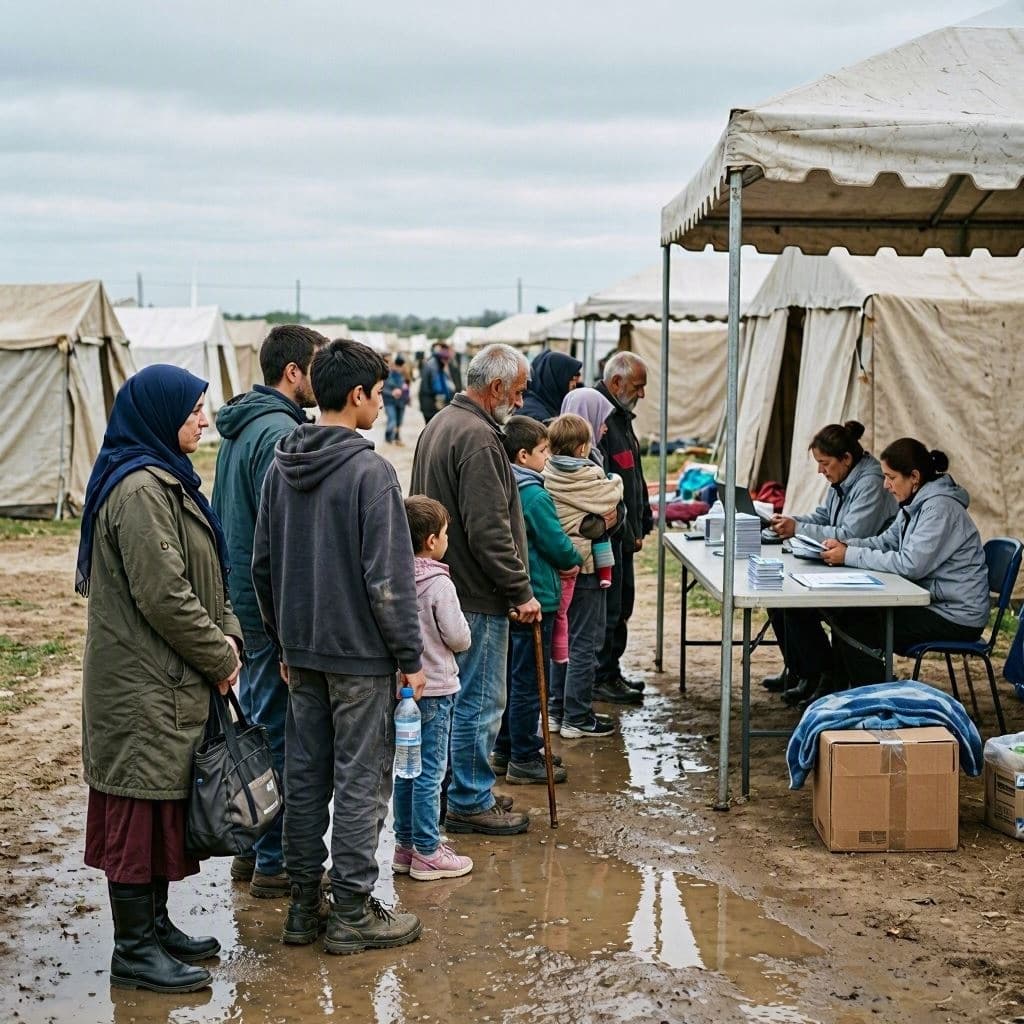
For the refugees living in crowded camps in Cox’s Bazar, the prospect of return is mixed with fear and longing. Many were born in exile and have never known their homeland, making the decision to return profoundly difficult. Exile shapes life. Home remains distant.
The international community continues to provide humanitarian aid, but donor fatigue is setting in as the crisis drags on. Sustainable solutions require not just repatriation but genuine reconciliation and structural reform in Myanmar. Aid sustains life. Reform ensures peace.
As the verification list grows, the focus must remain on the dignity and safety of the individuals involved. Repatriation should not be a rushed political gesture but a carefully managed process that respects human rights. Dignity guides process. Rights protect people.
Myanmar has verified over 300,000 Rohingya refugees for potential repatriation as the crisis enters its ninth year. While the move signals progress, concerns about safety and rights in Rakhine State persist. The hope is for a voluntary, safe, and dignified return process supported by international oversight.
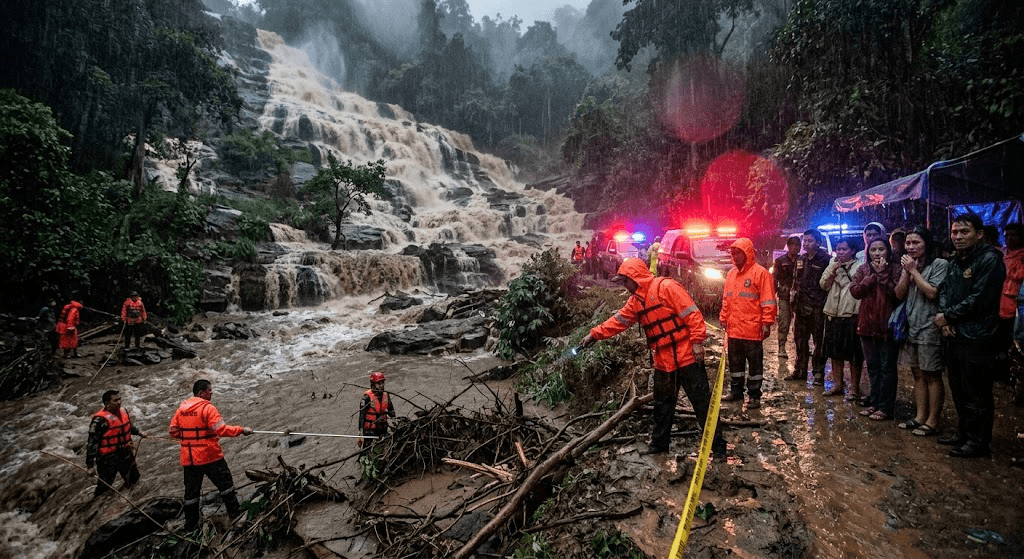
AI Image Disclaimer: Visuals associated with this article are AI-generated to illustrate the themes of humanitarian crisis and displacement.
Sources: Al Jazeera Reuters UNHCR The Diplomat
Note: This article was published on BanxChange.com and is powered by the BXE Token on the XRP Ledger. For the latest articles and news, please visit BanxChange.com