Opening: In the silent, radioactive woods surrounding the Chernobyl Nuclear Power Plant, nature has reclaimed what humanity abandoned. For decades, wildlife cameras have captured the secret lives of wolves, bears, and Przewalski’s horses thriving in this exclusion zone. When Russian forces occupied the area in the early days of the 2022 invasion, these unblinking eyes continued to record. The footage reveals not just the movement of animals, but the stark juxtaposition of war and wilderness. It is a poignant reminder that even in zones of human conflict, life persists, indifferent to the borders drawn by men.
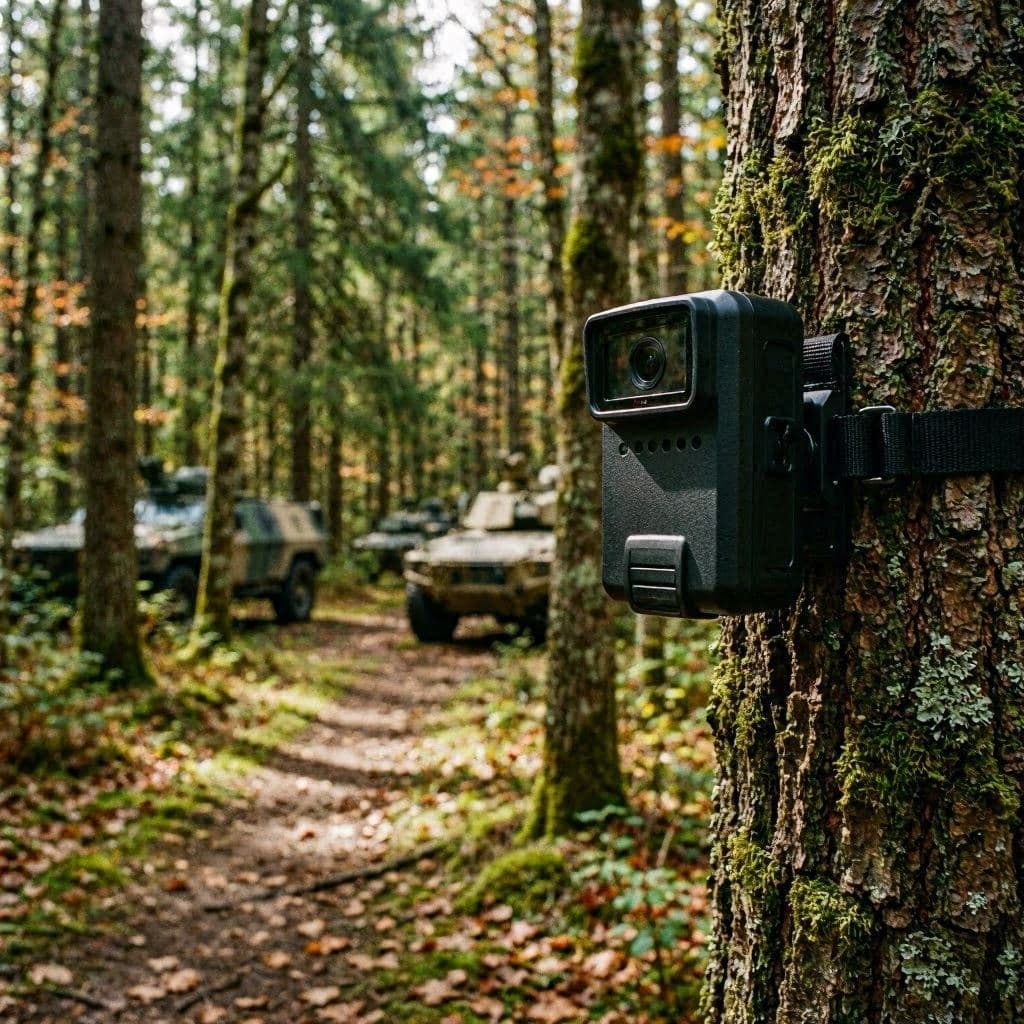
Body: The Chernobyl Exclusion Zone, established after the 1986 disaster, has inadvertently become one of Europe’s largest nature reserves. Without human interference, populations of rare species have rebounded. Automated cameras, set up by scientists to monitor this unique ecosystem, captured the arrival of military vehicles and troops. The images show soldiers moving through forests where wolves roam freely, a surreal blend of geopolitical tension and ecological tranquility.
Despite the presence of armed forces, the wildlife appeared largely undisturbed. Animals, accustomed to the absence of humans, did not flee immediately. However, the noise and activity of military operations inevitably caused stress. Researchers noted changes in animal behavior, with some species becoming more nocturnal or retreating to deeper parts of the zone. The data provides valuable insights into how wildlife responds to sudden human intrusion in protected areas.
The occupation also raised concerns about environmental safety. Military movements risked disturbing contaminated soil, potentially spreading radioactive particles. There were fears that heavy vehicles could damage containment structures or ignite forest fires, which would release trapped radiation into the atmosphere. Fortunately, no major environmental incidents were reported during the brief occupation, but the risk highlighted the vulnerability of such sensitive sites during conflict.
For the scientific community, the continuity of data collection was crucial. The cameras provided an uninterrupted record of the zone’s ecology, even amidst chaos. This resilience of technology and nature underscores the importance of remote monitoring systems. They allow researchers to study hard-to-reach areas without putting themselves in danger, ensuring that knowledge continues to accumulate even when access is restricted.
The imagery from Chernobyl has sparked global reflection on the intersection of war and environment. It serves as a visual metaphor for the endurance of life in the face of destruction. While humans engage in conflict, the natural world continues its cycles, offering a sense of perspective and humility. It reminds us that our disputes are temporary, but the earth’s processes are enduring.
As Russian forces withdrew, the zone returned to its quiet state. Scientists resumed their regular monitoring, analyzing the data collected during the occupation. The findings will help inform conservation strategies in conflict zones worldwide. Understanding how wildlife copes with military presence can guide efforts to minimize ecological damage in future wars.
The story of Chernobyl’s wildlife cameras is one of silent witness. They recorded history not through words, but through the steady gaze of lenses trained on the wild. In doing so, they preserved a narrative of resilience, both biological and technological. It is a testament to the power of observation and the enduring spirit of nature.
Closing: Wildlife cameras in the Chernobyl Exclusion Zone continued to record during the Russian occupation, capturing the coexistence of military activity and thriving ecosystems. The footage highlights the resilience of nature and the importance of remote environmental monitoring in conflict zones. No major ecological damage was reported during the brief period.
AI Image Disclaimer: Please be aware that the visual aids in this piece are AI-generated interpretations designed to support the narrative of wildlife monitoring and environmental resilience.
Sources: National Geographic The Guardian BBC News Science Magazine
Published by Banx Network. This article is part of the Banx decentralized media programme, powered by the BXE token on the XRP Ledger.