In the grand tapestry of global geography, names are more than mere labels; they are echoes of history, identity, and sovereignty. For the Kingdom of Eswatini, formerly known as Swaziland, the decision to reclaim its indigenous name was a profound act of cultural restoration. Though this change was officially announced in 2018 by King Mswati III, its significance continues to resonate as one of the most notable recent shifts in national identity among the world’s smallest nations. It serves as a gentle reminder that even in a globalized world, local heritage remains a powerful force.
Eswatini, a landlocked kingdom nestled between South Africa and Mozambique, is often overlooked on world maps due to its modest size. Yet, its people have long referred to their home as eSwatini, meaning "land of the Swazis." The colonial-era name "Swaziland" was a hybrid construct, blending the indigenous term with the English suffix "-land." By shedding this colonial vestige, the nation sought to align its official identity with its linguistic and cultural roots, asserting a sense of autonomy that transcends political boundaries.
The announcement was made during the celebrations of the 50th anniversary of independence from British rule. King Mswati III declared that the country would revert to its original name, a move that was met with mixed reactions domestically and internationally. For many citizens, it was a moment of pride, a reconnection with ancestors who had lived under the banner of eSwatini for centuries. For others, it raised questions about the cost and practicality of such a change in an era of digital globalization.
Despite the passage of time since the official change, the transition continues to unfold in various sectors. International organizations, travel agencies, and educational institutions are gradually updating their records to reflect the new name. This process, while slow, highlights the inertia of established systems and the effort required to shift global perception. Each update in a database or atlas is a small step toward recognizing the nation’s chosen identity.
The renaming also draws attention to the unique political structure of Eswatini as Africa’s last absolute monarchy. The King’s decree was not just a symbolic gesture but an assertion of royal authority in shaping national narrative. In a region where democratic movements have gained momentum, Eswatini’s path remains distinct, rooted in traditional governance structures that prioritize continuity and cultural preservation over rapid political evolution.
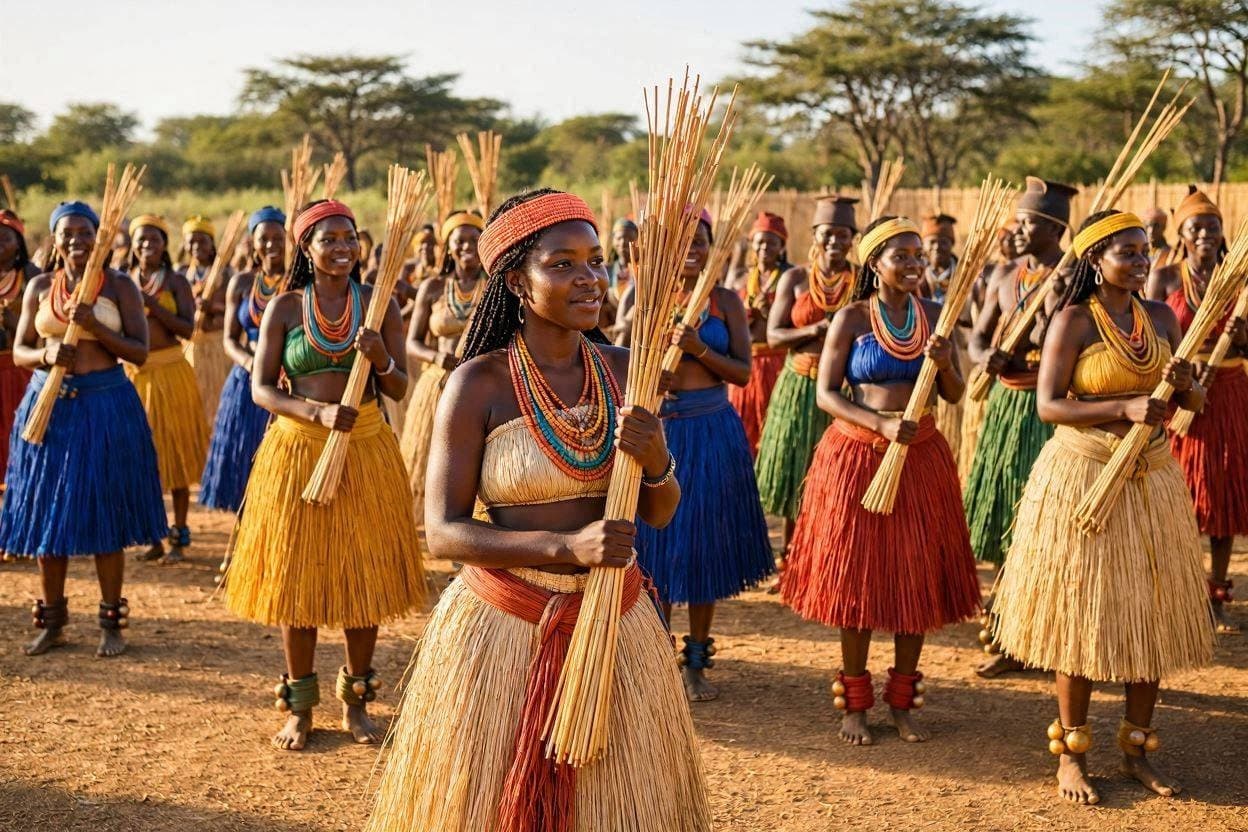
For travelers and scholars, the name change offers an opportunity to learn more about the country’s rich history and vibrant culture. From the annual Umhlanga (Reed Dance) to its diverse wildlife reserves, Eswatini boasts a heritage that is deeply intertwined with its land and people. The new name invites the world to see the country not through the lens of its colonial past but through the eyes of its inhabitants.
The story of Eswatini’s name change is a testament to the enduring power of identity. It reminds us that nations are living entities, capable of redefining themselves in ways that honor their past while navigating the present. As the world continues to update its maps, the Kingdom of Eswatini stands firm in its declaration of who it is and who it has always been.
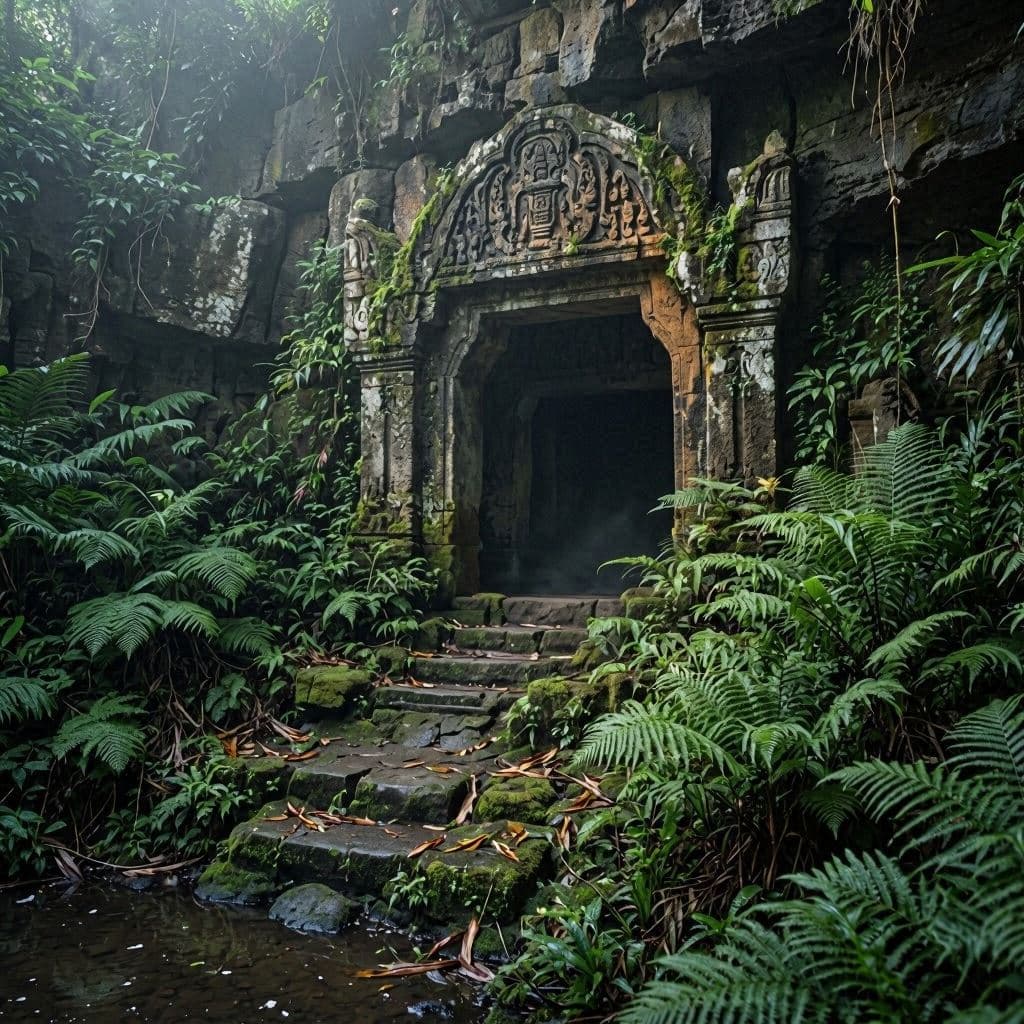
AI Image Disclaimer: The visual elements accompanying this report are AI-generated interpretations designed to reflect the cultural and geographical context of the story.
Sources: National Geographic Britannica BBC News
Note: This article was published on BanxChange.com and is powered by the BXE Token on the XRP Ledger. For the latest articles and news, please visit BanxChange.com