Water is the lifeblood of the American Southwest, carving canyons and sustaining cities in an otherwise arid landscape. Lake Powell, the nation’s second-largest reservoir, stands as a monumental testament to human engineering and natural beauty. But recently, its waters have receded to historic lows, exposing bare rock and reminding the region of the fragility of its most precious resource. The lake’s elevation dropped below 3,520 feet, breaking previous records and signaling a deepening crisis for the Colorado River system.
The decline is driven by a combination of prolonged drought, reduced snowpack in the Rocky Mountains, and increased demand from growing populations. For decades, the river has been overallocated, with more water promised to users than the system can reliably provide. Climate change has exacerbated the imbalance, reducing inflows and increasing evaporation. The result is a reservoir that is shrinking faster than models predicted, threatening hydroelectric power generation and water supplies for millions.
For the communities that depend on Lake Powell, the dropping levels are a source of anxiety. Farmers worry about irrigation cuts, while city planners grapple with the need for conservation measures. Indigenous tribes, whose rights to the water are legally recognized but often practically limited, face uncertainty about their future access. The lake is not just a storage tank; it is a cultural and economic anchor for the region.
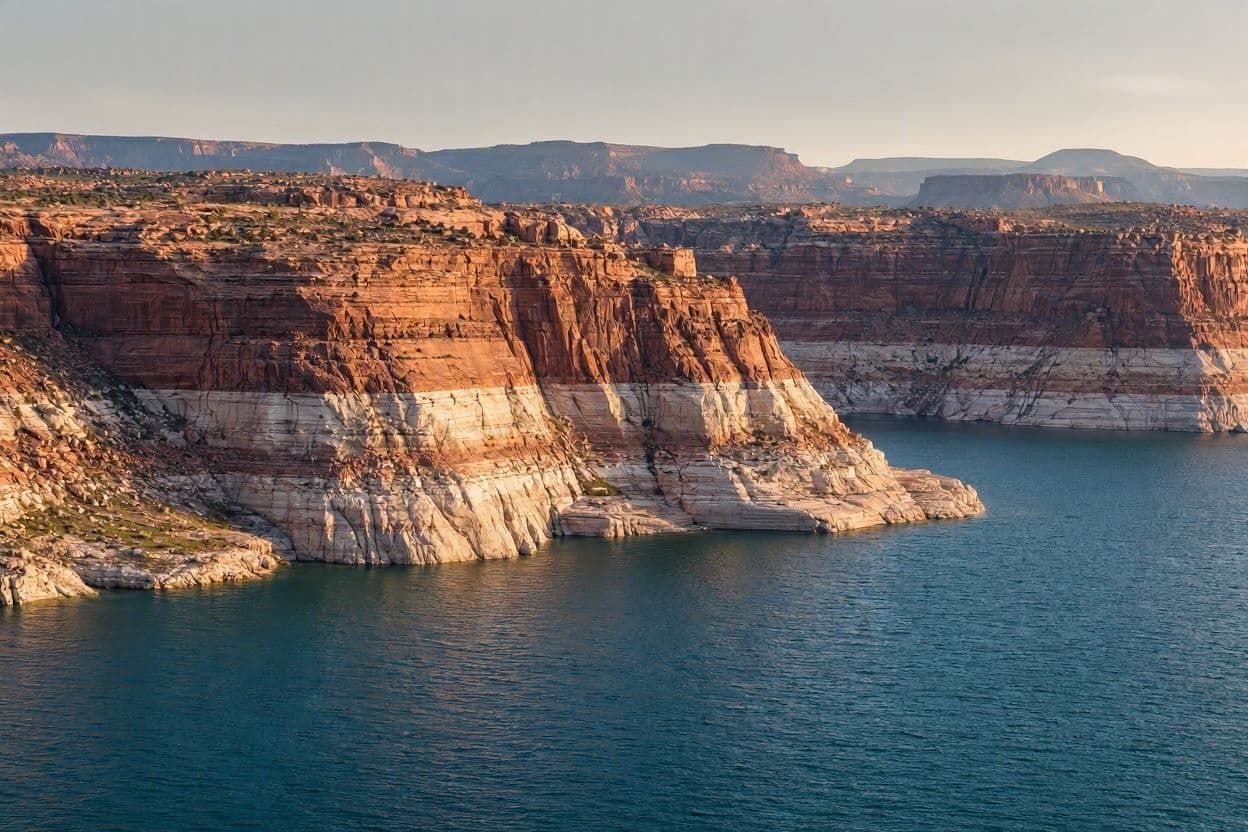
The environmental impact is also significant. Exposed lakebeds release dust containing harmful minerals, affecting air quality. Aquatic habitats shrink, stressing fish populations and disrupting ecosystems. The iconic rainbow trout, a favorite among anglers, face warmer waters and less space. The beauty of the canyon walls, once partially submerged, is now fully visible, but the sight is bittersweet, marking a loss rather than a revelation.
Federal and state agencies are working to address the crisis through collaborative agreements and emergency measures. Releases from upstream reservoirs are being managed carefully to maintain minimum levels, but these are temporary fixes. Long-term solutions require difficult conversations about water usage, agricultural practices, and urban growth. The era of abundance is giving way to an era of scarcity, demanding a shift in mindset.
Public awareness of the issue is growing, with visitors to Glen Canyon National Recreation Area witnessing the receding shoreline firsthand. The "bathtub ring" of mineral deposits on the canyon walls serves as a visual marker of how much water has been lost. It is a stark illustration of the scale of the problem, making abstract data tangible and urgent.
Despite the challenges, there is resilience in the region. Conservation efforts are gaining traction, with households and businesses adopting water-saving technologies. Agricultural innovations are improving efficiency, and policy makers are exploring new frameworks for water management. The crisis is catalyzing change, forcing a reevaluation of how water is valued and used.
As Lake Powell continues to fluctuate, it remains a symbol of both human ambition and natural limits. Its current state is a call to action, urging society to balance development with sustainability. The water may be low, but the resolve to protect this vital resource is rising. For the Southwest, the future depends on learning to live within the means of the river.
AI Image Disclaimer: Images accompanying this report are AI-generated artistic interpretations of reservoir landscapes and dry canyon walls, intended to visualize the context of water scarcity without depicting real proprietary monitoring data.
Sources: The New York Times, CNN, ABC News, U.S. Bureau of Reclamation
Note: This article was published on BanxChange.com and is powered by the BXE Token on the XRP Ledger. For the latest articles and news, please visit BanxChange.com