
Key Highlights
- Date of Incident:A series of landslides struck on June 30, 2026.
- Casualties:Dozens injured, with some in critical condition.
- Displacement:Thousands left homeless, living in temporary shelters.
Bishkek, Kyrgyzstan—A series of violent landslides tore through mountain villages on June 30, 2026, leaving a trail of ruined homes and injured civilians. The ground gave way after weeks of relentless rainfall turned steep slopes into unstable mud. Residents had little warning before their properties were buried or swept away.
Emergency response units spent the day pulling survivors from the debris. Local hospitals report dozens of patients arriving with fractures and lacerations. Some remain in critical condition. The total number of injured continues to climb as teams reach previously inaccessible mountain passes, highlighting the urgent need for medical assistance in the affected areas.
Displaced families are now sleeping in temporary tents. Thousands of residents remain in the path of potential further slides. Government officials have ordered mandatory evacuations for several districts, fearing that the saturated soil will trigger more collapses in the coming hours. The situation is exacerbated by the cold weather expected at these high altitudes, complicating the relief efforts.
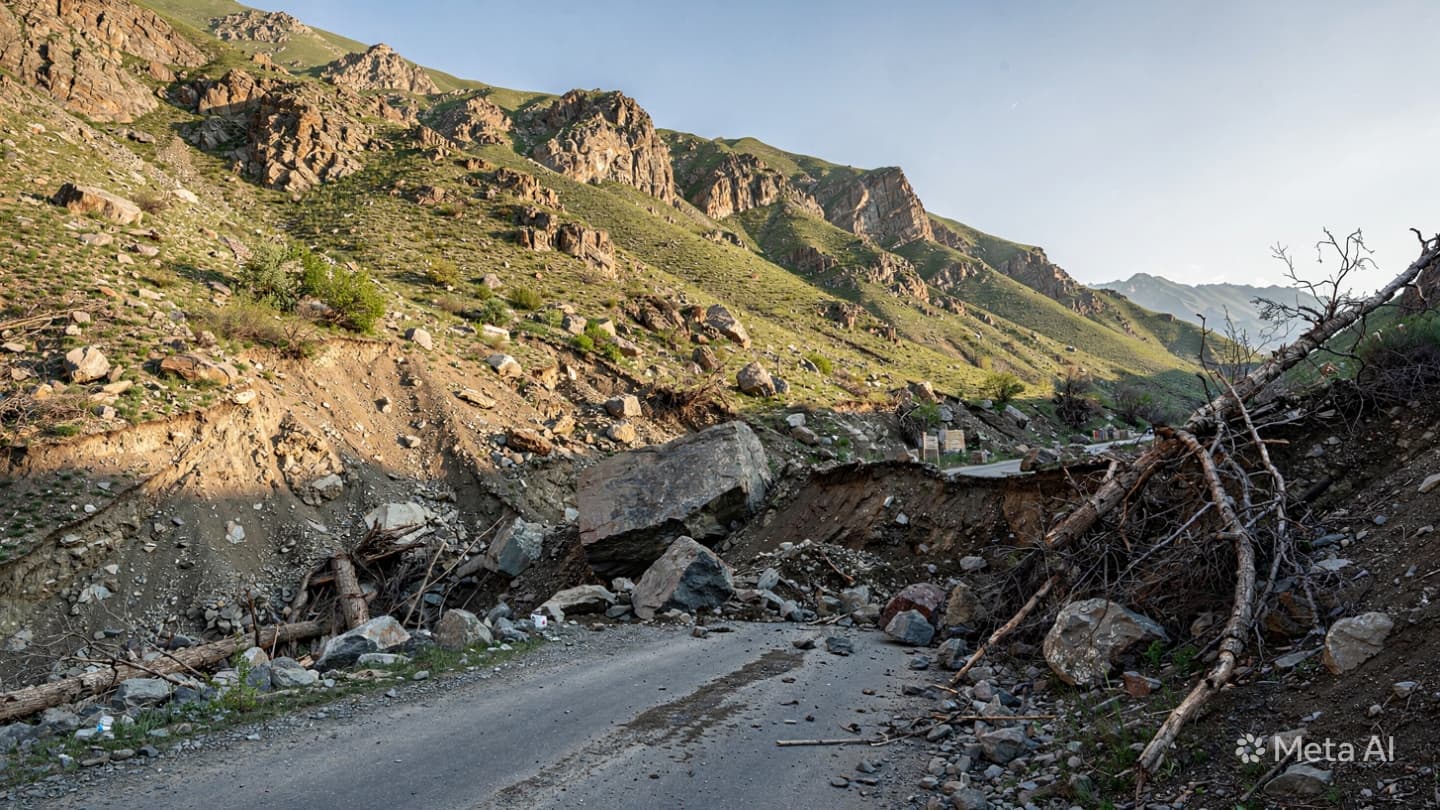
The physical destruction is absolute. Entire streets have disappeared under tons of earth and rock, and infrastructure is shattered. Roads leading to these remote areas are blocked by massive mounds of debris, slowing the delivery of food, water, and medical aid to those trapped. Engineers warn that the geological instability will last for days, as the saturated terrain remains sensitive to even minor vibrations or additional rain.
Local authorities are struggling to maintain order amidst the chaos. Frustrated residents are demanding faster assistance, as many have lost their only source of income with crops and livestock swallowed by the shifting earth. They have no resources to begin rebuilding their lives, further intensifying the humanitarian crisis.
International aid organizations are coordinating with national teams to provide winter clothing and heavy-duty shelters. The current priority remains search and rescue, though hopes of finding survivors in the hardest-hit zones are fading. The situation remains dire as authorities scramble to contain the disaster, with every heavy vehicle clearing a path risking triggering another shift in the ground. The government has yet to announce a timeline for long-term recovery, as the current crisis is still unfolding.
Published by Banx Network. This article is part of the Banx decentralized media programme, powered by the BXE token on the XRP Ledger.



