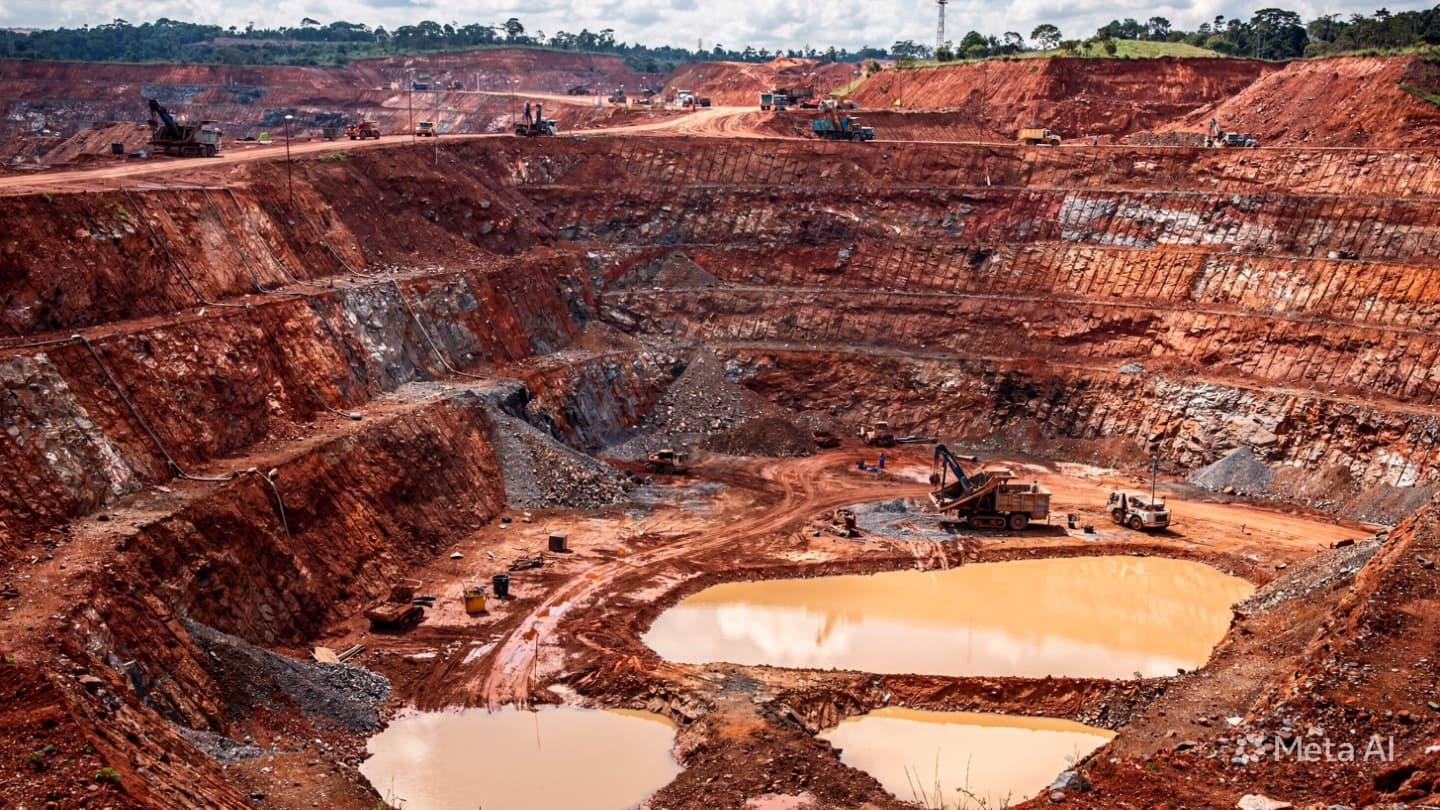
Hpakant, Myanmar—A massive wall of unstable mud and industrial mining waste collapsed into an open-pit jade mine in the remote township of Hpakant, Kachin State, early Tuesday afternoon, burying a group of freelance laborers and killing at least six informal miners instantly. The catastrophic landslide occurred at approximately 2:15 p.m. during a period of shifting weather, which had heavily saturated the towering, unstable terraced heaps of loose soil left behind by heavy commercial mining machinery.
Local volunteer rescue groups and fellow miners rushed into the deep pit using manual shovels and bare hands in a desperate bid to reach those trapped beneath the multi-ton wave of slurry. By Tuesday evening, recovery teams had pulled the bodies of six men out from under the thick sludge. Local community leaders fear the death toll could rise further, as an unconfirmed number of informal jade pickers, known locally as yezan, routinely scour the loose tailing piles for scraps of valuable jade stone.
Preliminary reports from the area indicate that the vertical mining face gave way with zero warning, sending a massive wall of liquid earth cascading down the steep incline into the active excavation floor below. The victims were operating near the base of the unstable embankment when the upper shelf sheared off. The sheer volume and weight of the mining waste caused severe structural crushing injuries, resulting in immediate fatalities for those directly in the path of the slide.
The Hpakant region is globally notorious for deadly landslide disasters, which occur with frightening regularity due to the combination of unregulated mining practices, steep artificial cliffs, and heavy seasonal precipitation. Informal miners frequently risk their lives by climbing these unstable waste heaps under hazardous conditions, driven by intense poverty and the hope of discovering a life-changing gemstone. Despite periodic government bans on scavenging activities, enforcement remains practically nonexistent in the conflict-affected border region.
Local rescue operations are facing immense challenges due to the highly unstable nature of the remaining soil walls, which continue to exhibit minor secondary shifts and cracks. Heavy rain showers in the late afternoon forced search teams to briefly suspend their efforts due to the acute danger of a secondary, larger-scale collapse onto the rescue workers. No heavy machinery has been deployed to the site due to the complex terrain and remote mountain location.
The identities of the six recovered victims are currently being verified by village authorities, as many informal miners travel from far-flung regions of Myanmar to work the Hpakant mines without official residency registration. Local civil society organizations are attempting to contact potential relatives while coordinating basic funeral arrangements at a municipal township facility.
Regional human rights and environmental advocacy groups have repeatedly called for systemic overhauls of the jade extraction industry, demanding that commercial mining conglomerates be held strictly accountable for properly grading waste heaps and restoring depleted mining pits. However, the profitable nature of the trade, coupled with complex local governance issues, has consistently stalled long-term safety reforms.
As night fell over the rugged Kachin landscape, volunteer teams positioned portable lighting arrays around the edge of the pit to monitor the soil stability. The search for any remaining missing workers is scheduled to resume at dawn on Wednesday morning, provided weather conditions remain stable enough to allow safe entry into the disaster zone.
Published by Banx Network. This article is part of the Banx decentralized media programme, powered by the BXE token on the XRP Ledger.