In the complex theater of global politics, narratives often simplify intricate realities into stark binaries. Former President Donald Trump’s recent focus on the plight of white South African farmers has drawn significant attention, framing their struggles as a central issue in international discourse. Yet, this spotlight overlooks a parallel and perhaps more urgent crisis: the systemic violence and social unrest faced by black migrants within South Africa and across its borders. The contrast between these two narratives highlights the selective nature of political empathy and the layered complexities of post-apartheid society.
The concern for white farmers stems from longstanding debates over land reform and property rights. Advocates argue that this community faces targeted aggression and economic marginalization. While these concerns are valid and deserve attention, the singular focus on this demographic can obscure the broader spectrum of insecurity affecting the nation. It creates a narrative that may not fully reflect the daily realities of the majority population, who grapple with poverty, unemployment, and xenophobic sentiment.
Black migrants, particularly those from neighboring countries like Zimbabwe, Mozambique, and Nigeria, often find themselves at the sharp end of social friction. Economic hardship and high unemployment rates in South Africa have fueled resentment, leading to periodic outbreaks of xenophobic violence. These communities face not only physical danger but also social exclusion, making their integration into the fabric of South African life a precarious endeavor. Their stories are less visible in international media, yet they are no less critical.
Protests against migrant communities have erupted in various townships, driven by local grievances over jobs and resources. These events are not merely spontaneous outbursts but symptoms of deeper structural issues. The failure of the state to provide adequate economic opportunities for its own citizens often manifests as hostility toward outsiders. This dynamic creates a cycle of instability that affects everyone, regardless of race or origin, undermining the promise of a unified democratic society.
The political rhetoric surrounding these issues often lacks nuance. By focusing exclusively on one group, policymakers and commentators risk exacerbating divisions rather than healing them. A holistic approach would recognize that security and justice are interconnected. Protecting the rights of white farmers should not come at the expense of ignoring the vulnerabilities of black migrants. Both groups deserve safety, dignity, and equal protection under the law.
International observers play a crucial role in shaping these narratives. When global leaders highlight specific injustices while ignoring others, it can influence local perceptions and policy priorities. It is essential for the international community to engage with the full scope of South Africa’s challenges, supporting efforts that promote inclusive growth and social cohesion. This requires a balanced perspective that acknowledges historical injustices without perpetuating new forms of exclusion.
Civil society organizations in South Africa are working tirelessly to bridge these divides. They advocate for the rights of all vulnerable groups, fostering dialogue between locals and migrants. Their efforts remind us that solidarity is possible, even in times of tension. Supporting these grassroots initiatives is vital for building a society where diversity is seen as a strength rather than a threat.
In the end, the story of migration and violence in South Africa is one of shared humanity. It calls for a response that is compassionate, comprehensive, and just. By addressing the needs of all marginalized communities, we can move toward a future where safety is not a privilege for the few but a right for the many. The path forward requires listening to all voices, not just the loudest ones.
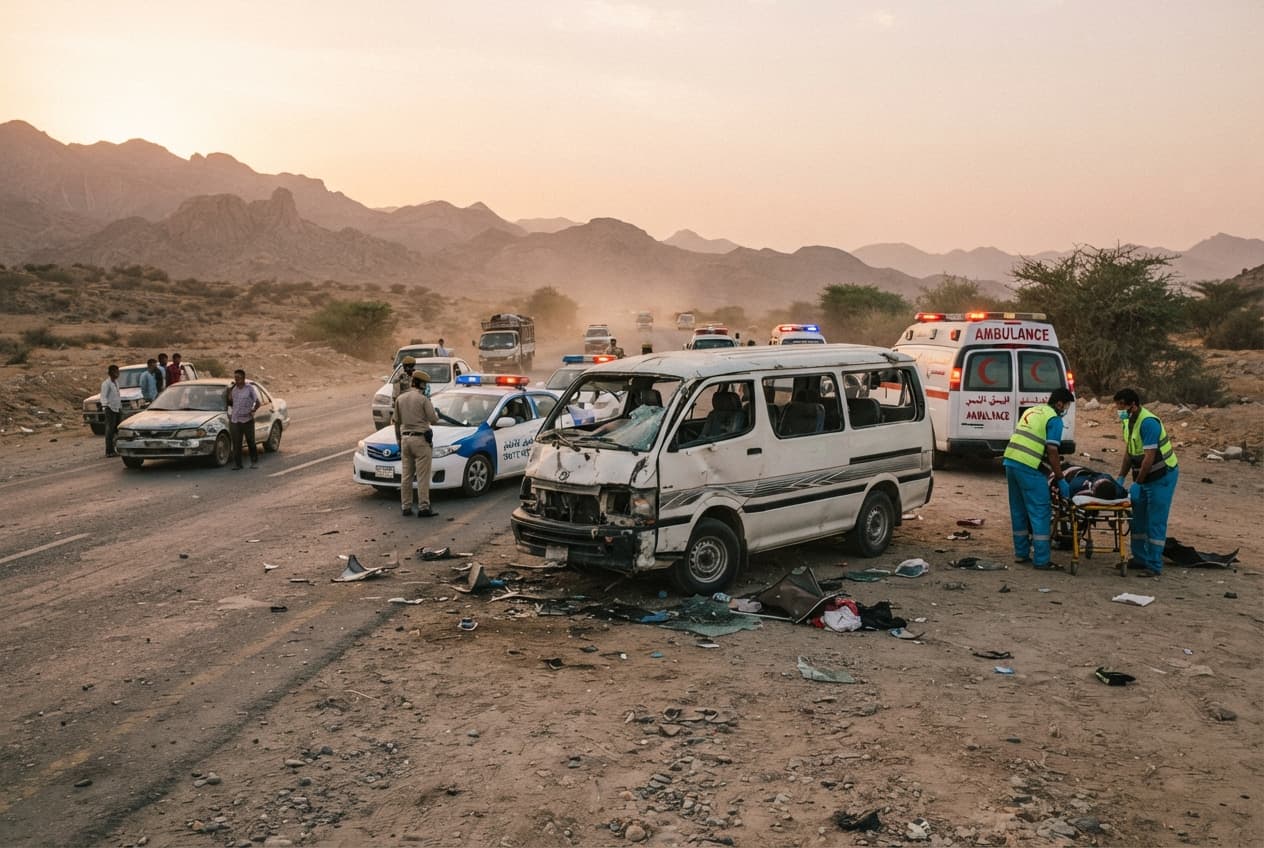
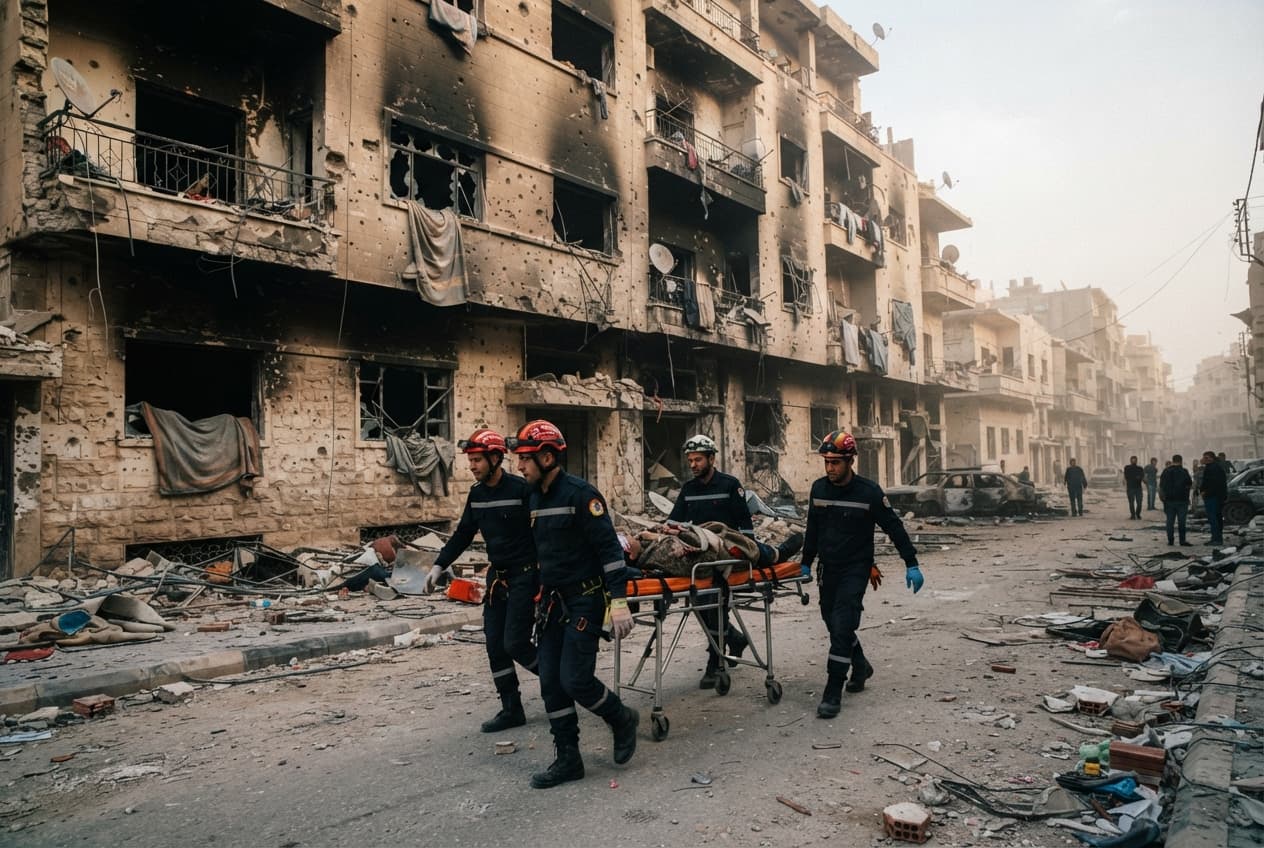
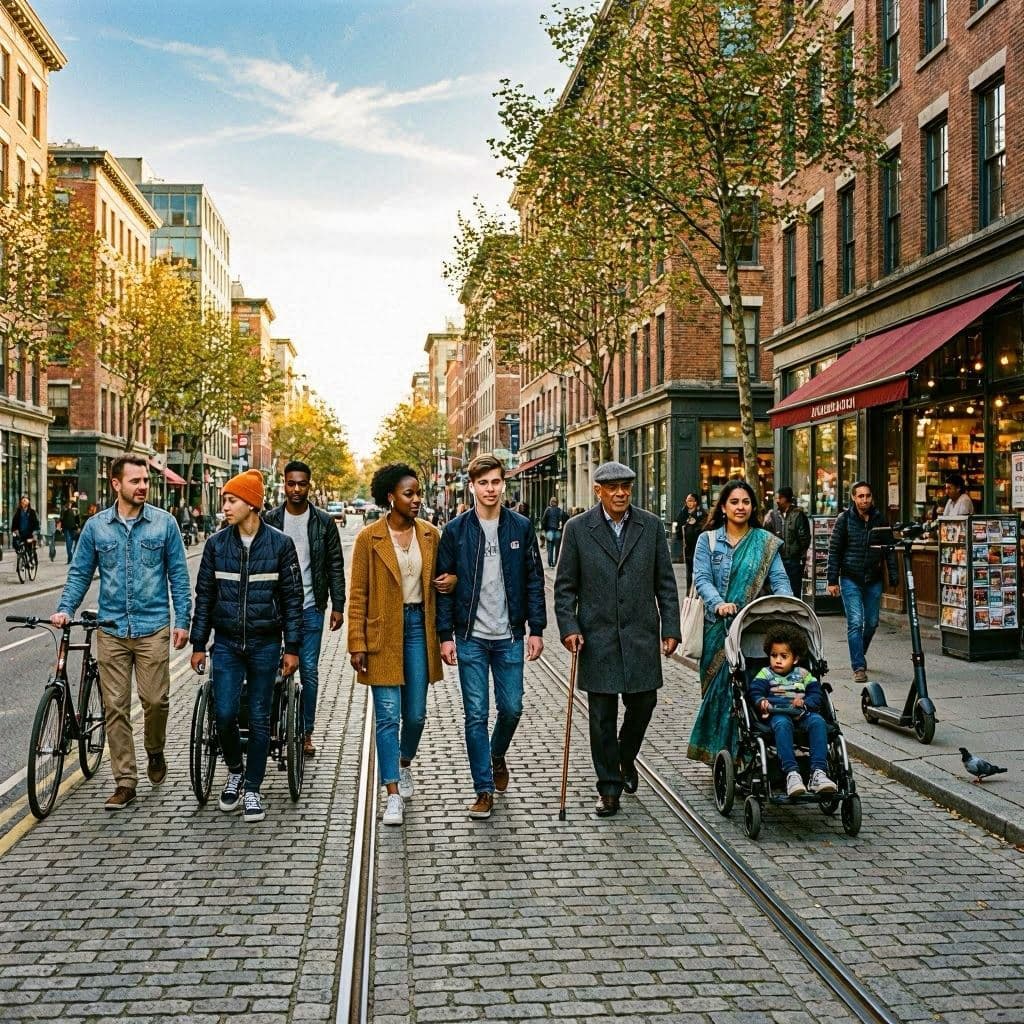
AI Image Disclaimer: The visual representations included in this article are generated by artificial intelligence to illustrate thematic concepts and do not depict actual individuals or specific protest events.
Sources: Al Jazeera The Guardian BBC News Reuters
Published by Banx Network. This article is part of the Banx decentralized media programme, powered by the BXE token on the XRP Ledger.