
June’s jobs data looked better on the surface because the unemployment rate fell to 4.2%, the lowest in a year. But according to Bureau of Labor Statistics figures, the improvement came mainly because fewer people were counted as unemployed—along with a larger “exodus” of workers from the labor force.
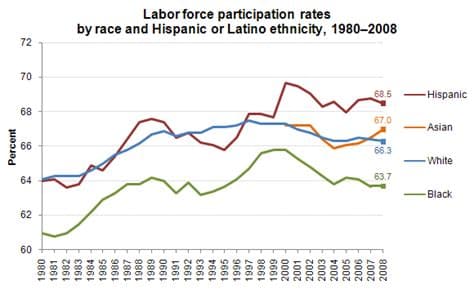
The key measure—labor force participation, which tracks the share of the working-age population that is either employed or actively looking for work—dropped to 61.5% in June. That is the lowest since March 2021, and outside of the COVID-era jobs market it represents the weakest participation rate in 50 years.
In the household survey at the center of these statistics, the labor force declined by about 720,000 in June. At the same time, the number of people classified as not in the labor force rose by roughly 832,000, suggesting that many who were previously job-seeking either stopped looking or left the measured labor market altogether. The number of people counted as employed also fell, by about 507,000 in the same survey, even as other parts of the jobs report showed modest job gains.
Economists said the participation drop is especially concerning because it implies discouraged job seekers rather than a normal tightening of unemployment. Instead of unemployment falling purely because more people are finding work, the data point to more people stepping away from job search.
While some explanations for participation declines often focus on retirement patterns or immigration trends, commentary around the report emphasized that the biggest June plunge came among “prime age” workers (ages 25 to 54). That participation rate fell 0.6 percentage points to 83.3%, its lowest since December 2023—an outcome that doesn’t fit neatly with retirement-only explanations.
Overall, the report frames the month’s jobs story as one where job demand may be improving compared with a year ago, but labor market opportunities appear limited enough that a significant number of people stopped looking—pushing the participation rate to a multi-decade low.
Note: This article was published on BanxChange.com and is powered by the BXE Token on the XRP Ledger. For the latest articles and news, please visit BanxChange.com