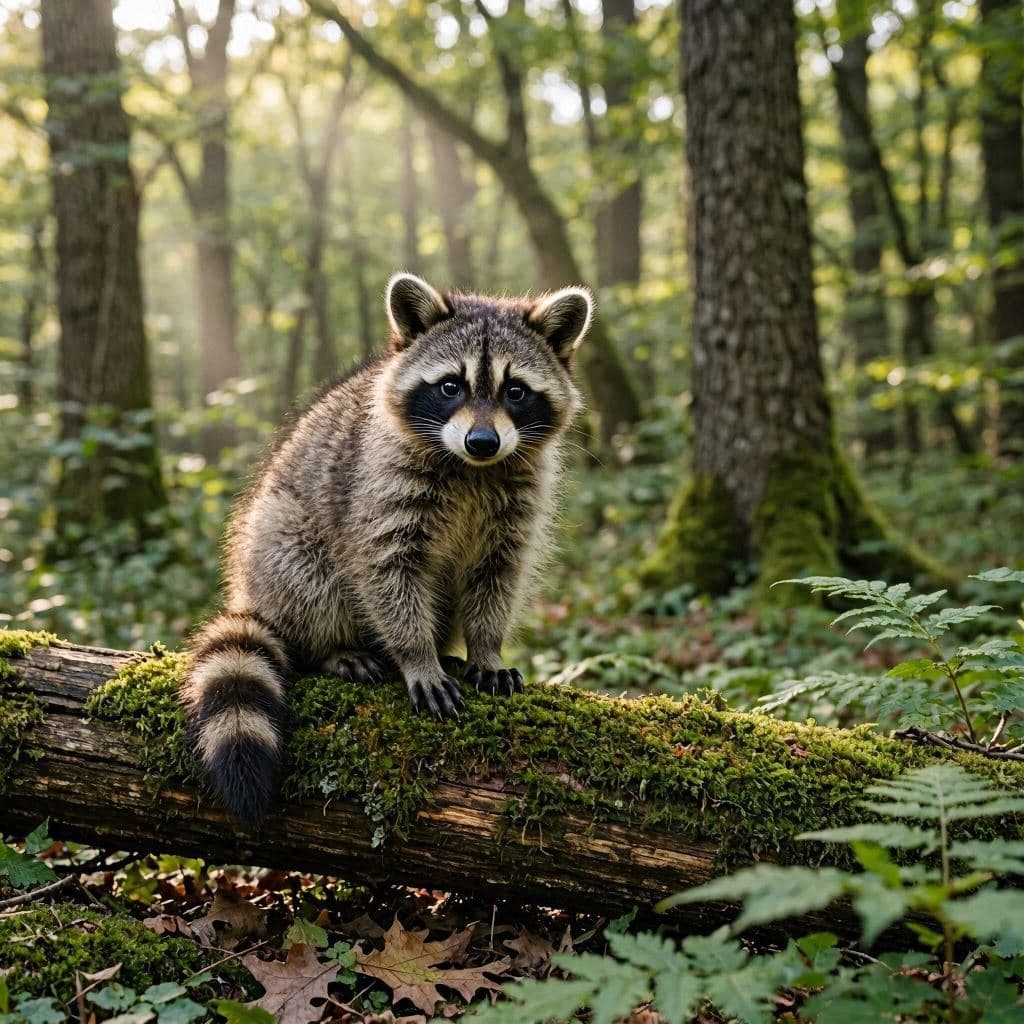
In the quiet corners of our neighborhoods, where shadows lengthen and night creatures emerge, there exists a world of resilience often overlooked by human eyes. Jimothy, a young raccoon whose story has captured hearts online, is more than just a viral sensation; he is a living testament to the tenacity of wildlife. His survival against steep odds highlights the intricate bond between mother and offspring, as well as the remarkable adaptability of a species that thrives in the margins of human civilization.
Jimothy’s journey invites us to look beyond the mask of the bandit and see the intelligence and vulnerability of the animal kingdom. It is a narrative of hope, reminding us that even in the face of adversity, life finds a way to persist, guided by instinct and care.
Body: Jimothy, named by the wildlife rehabilitators who cared for him, was found alone and vulnerable after being separated from his mother. Raccoons are known for their dexterity and problem-solving abilities, traits that are evident even in juveniles. However, without the guidance of a mother, a young kit faces significant challenges in learning how to forage, avoid predators, and navigate the urban landscape. Jimothy’s initial struggle was a stark reminder of the fragility of early life in the wild.
Wildlife experts emphasize the critical role of maternal care in raccoon development. Mother raccoons are fiercely protective and teach their young essential survival skills through observation and practice. They show their kits which foods are safe, how to open latches, and where to find shelter. This transmission of knowledge is crucial, as raccoons rely heavily on learned behaviors rather than just innate instincts. Jimothy’s survival story underscores what is lost when this bond is broken prematurely.
Rehabilitators stepped in to provide the care Jimothy needed, mimicking the nurturing environment he would have received from his mother. This process involves not just feeding but also stimulating his natural curiosity and physical development. By engaging him with puzzles and enrichment activities, caregivers helped strengthen his cognitive abilities, preparing him for a potential return to the wild. Their dedication reflects a broader commitment to wildlife conservation and empathy.
Raccoons are often misunderstood as pests, but they are highly intelligent mammals with complex social structures. Studies have shown that they possess excellent memory and can solve multi-step problems, rivaling some primates in certain cognitive tasks. Jimothy’s ability to adapt to his rehabilitation environment demonstrates this intellectual capacity, showcasing the sophisticated brainpower that allows his species to thrive in diverse environments.
The story of Jimothy also highlights the importance of coexistence. As urban areas expand, encounters between humans and wildlife become more frequent. Understanding the needs and behaviors of animals like raccoons can help reduce conflict and promote harmony. Simple actions, such as securing trash cans and avoiding feeding wild animals, can make a significant difference in their survival rates.
For those who followed Jimothy’s progress, his growth was a source of joy and inspiration. Each milestone, from climbing a tree to successfully solving a food puzzle, was a victory against the odds. His story serves as a reminder that every creature, no matter how small or common, has a unique place in the ecosystem and deserves respect and protection.
Closing: As Jimothy continues to grow stronger, his story remains a powerful symbol of resilience and the enduring bond of maternal care. Whether he returns to the wild or finds a permanent home in a sanctuary, his journey reminds us of the beauty and complexity of the natural world. In his survival, we find a reason to cherish and protect the wild neighbors who share our spaces.
AI Image Disclaimer: The visual content associated with this article is generated by artificial intelligence to illustrate the thematic elements of wildlife rehabilitation and animal behavior, and does not represent specific photographs of Jimothy or actual rehabilitation facilities.
Sources: National Wildlife Federation Smithsonian Magazine Humane Society of the United States BBC Earth
Note: This article was published on BanxChange.com and is powered by the BXE Token on the XRP Ledger. For the latest articles and news, please visit BanxChange.com