
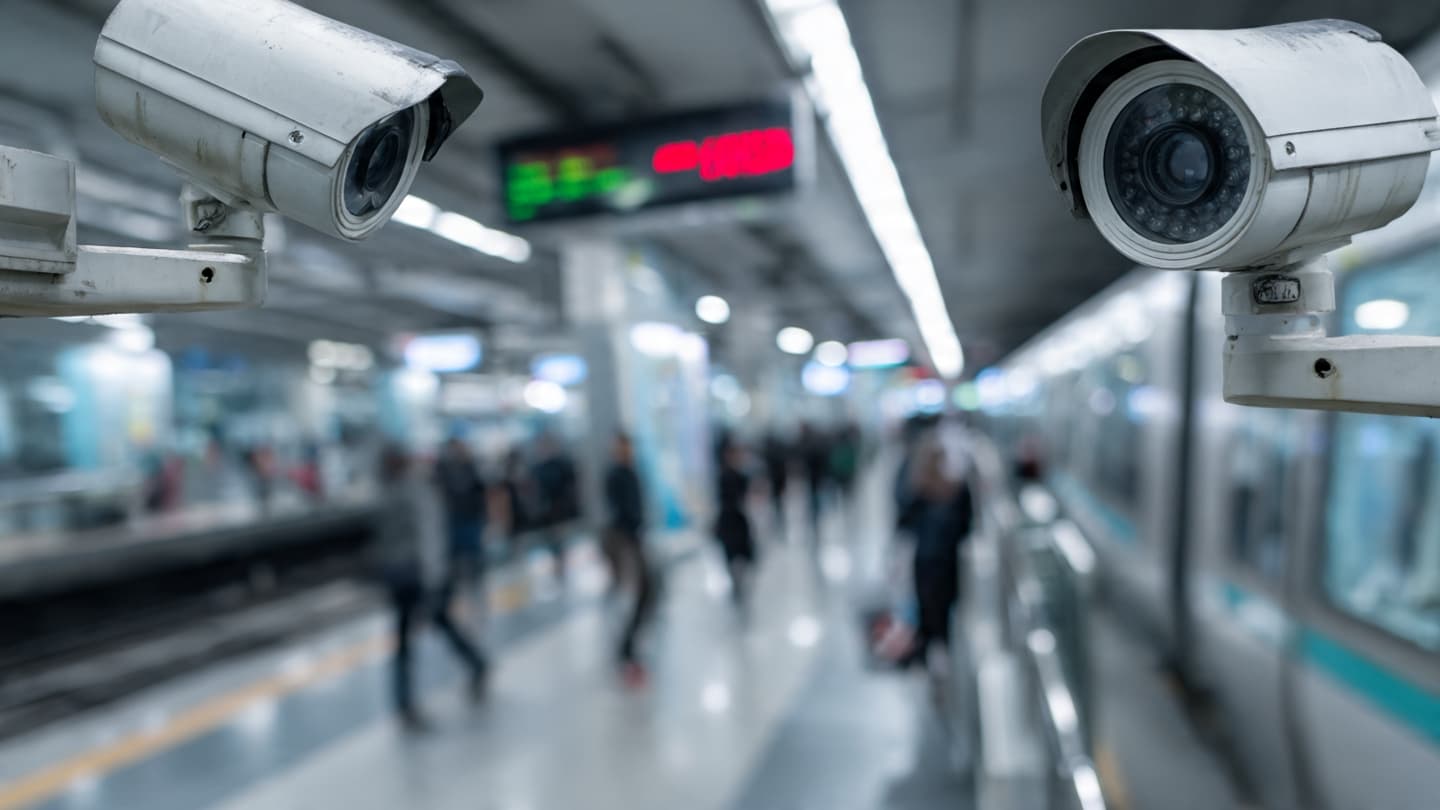
Cities often grow like living organisms, expanding layer by layer through migration, opportunity, and human ambition. Streets become rivers of movement, towers rise beside older neighborhoods, and millions of lives intersect within spaces that continue evolving without pause. Discussions about the world’s most populated cities once again raised public curiosity, including questions about Jakarta’s position among them.
Population rankings are commonly based on metropolitan areas or urban agglomerations rather than administrative boundaries alone. Large cities across Asia continue dominating global population lists due to rapid urbanization and long-term economic concentration.
Jakarta has consistently been recognized as one of Southeast Asia’s largest urban centers, with millions of residents living within the broader metropolitan region known as Jabodetabek. The city functions as Indonesia’s economic, political, and cultural hub.
Urban population growth is often driven by employment opportunities, transportation networks, and educational access. Major cities attract residents seeking economic mobility, though rapid expansion also creates challenges involving housing, congestion, infrastructure, and environmental sustainability.
Cities such as Tokyo, Delhi, Shanghai, and São Paulo are frequently included among the world’s most densely populated metropolitan areas. Many of these urban centers continue investing heavily in transportation systems and public services to manage rising population demands.
Jakarta itself has experienced decades of continuous urban transformation. New business districts, transit projects, and residential developments reflect both the opportunities and pressures associated with megacity growth.
For urban planners and researchers, population rankings are more than statistical comparisons. They offer insight into migration trends, economic concentration, and the future direction of global urban development.
As cities continue expanding across continents, Jakarta remains part of broader international conversations surrounding urban density, modernization, and the evolving realities of metropolitan life.
The illustrations in this article are AI-generated visual representations for editorial support only.
Sources: United Nations urban population reports, World Bank data, international urban studies
Note: This article was published on BanxChange.com and is powered by the BXE Token on the XRP Ledger. For the latest articles and news, please visit BanxChange.com