
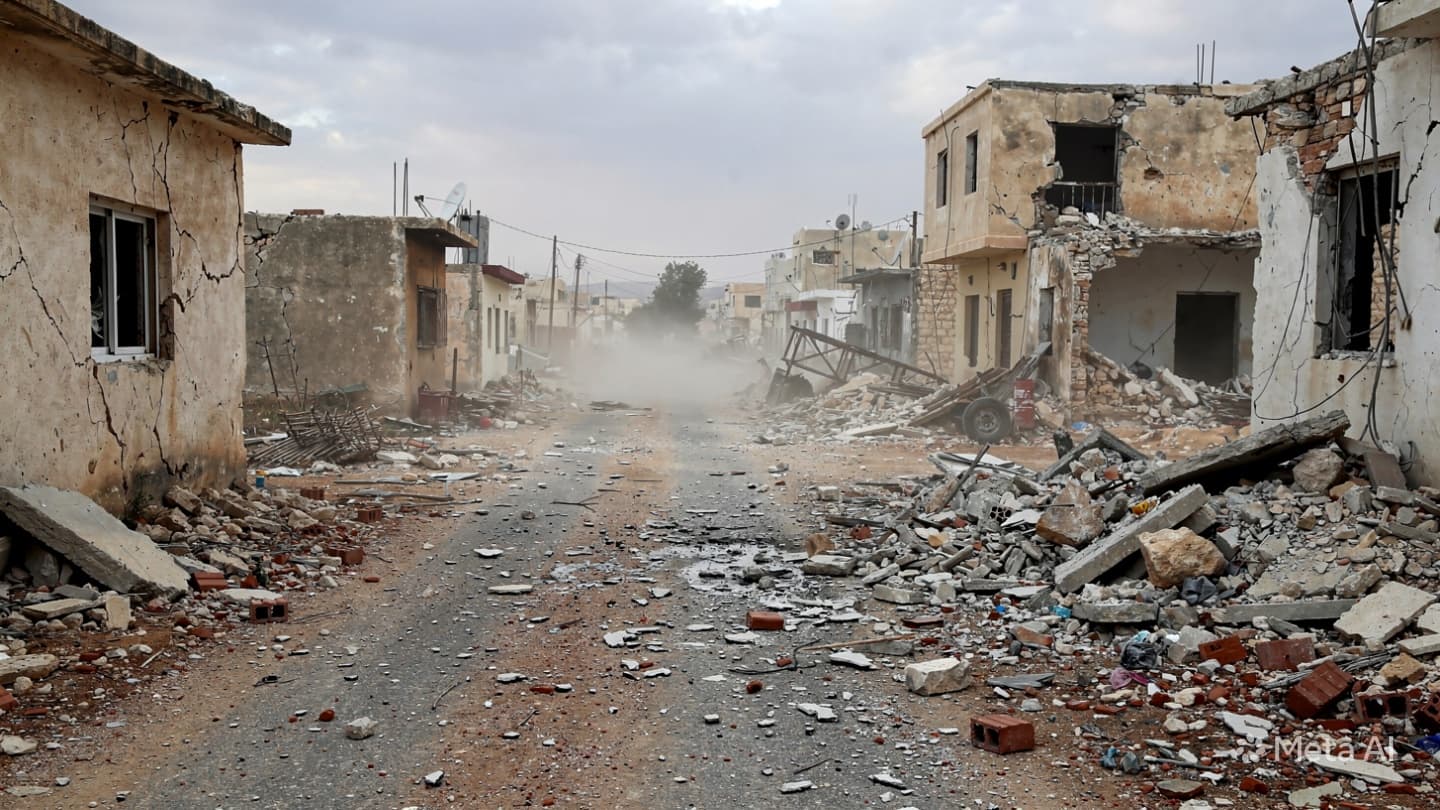
Tyre, Lebanon—The death toll rose sharply today following a series of Israeli airstrikes targeting multiple villages in southern Lebanon. Local health officials confirmed that six civilians were killed when munitions struck residential structures near the border. The strikes occurred during the early morning hours, catching many families inside their homes.
Witnesses on the ground reported hearing consecutive explosions as aircraft circled the region for several hours. The impact sites remain restricted as civil defense teams navigate piles of concrete and twisted metal. Rescue operations began shortly after the initial blasts but have been hindered by the threat of further incoming fire.
One local official described the scene as chaotic. The intensity of the bombardment caught the population off guard despite previous warnings issued for nearby sectors. Ambulances struggled to reach the sites due to the destruction of critical access roads.
Israeli military spokespeople stated the strikes were aimed at active combat positions used by local factions. They maintain that operations are restricted to infrastructure linked to ongoing hostilities. However, the carnage in the village squares tells a different story regarding the immediate civilian impact of these maneuvers.
Families in the affected area have begun fleeing toward northern districts. They carry what they can hold. Most are moving on foot as vehicles are either destroyed or trapped by the debris. The roads out of these villages are currently packed with residents desperate to escape the strike zone.
Regional tensions remain at a breaking point. Every explosion triggers a new wave of retaliatory warnings from opposing sides. The cycle of strikes has essentially paralyzed daily life for the thousands who remain trapped in the border region. There is no indication that the military activity will subside tonight.
Local medical facilities are currently overwhelmed by the influx of wounded individuals. Staff report critical shortages of supplies and power to maintain essential equipment. The triage process is difficult given the number of severe trauma cases arriving at once.
Communication networks in the south are flickering, making it difficult to coordinate relief efforts or account for the missing. Information travels slowly through the wreckage. The current status of the village remains dangerous for anyone still near the impact zones.
Note: This article was published on BanxChange.com and is powered by the BXE Token on the XRP Ledger. For the latest articles and news, please visit BanxChange.com