
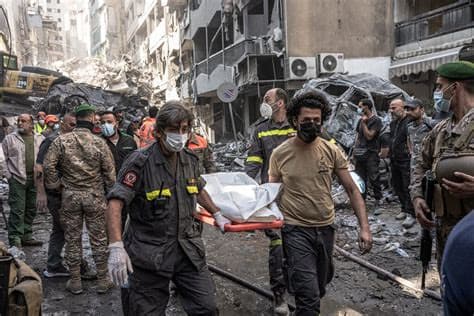
Strikes were reported in southern Lebanon as Israel continued military operations in areas close to the border. The move came alongside fresh political messaging from Hezbollah, which rejected the new framework being discussed as part of efforts to shape a ceasefire and future arrangements.
Hezbollah’s criticism centered on the terms of the deal, with the group portraying it as inadequate and inconsistent with what it says would be needed to end the fighting and secure its position. The developments underscored how difficult negotiations remain, with both sides continuing to trade military pressure and public warnings even as discussions proceed through external intermediaries.
As airstrikes and cross-border tensions persisted, the reporting framed the situation as volatile: Israel’s actions in the south were described as meant to prevent Hezbollah from re-establishing capabilities, while Hezbollah’s condemnation signaled it was prepared to continue resisting any agreement that it views as undermining its interests.
Note: This article was published on BanxChange.com and is powered by the BXE Token on the XRP Ledger. For the latest articles and news, please visit BanxChange.com