
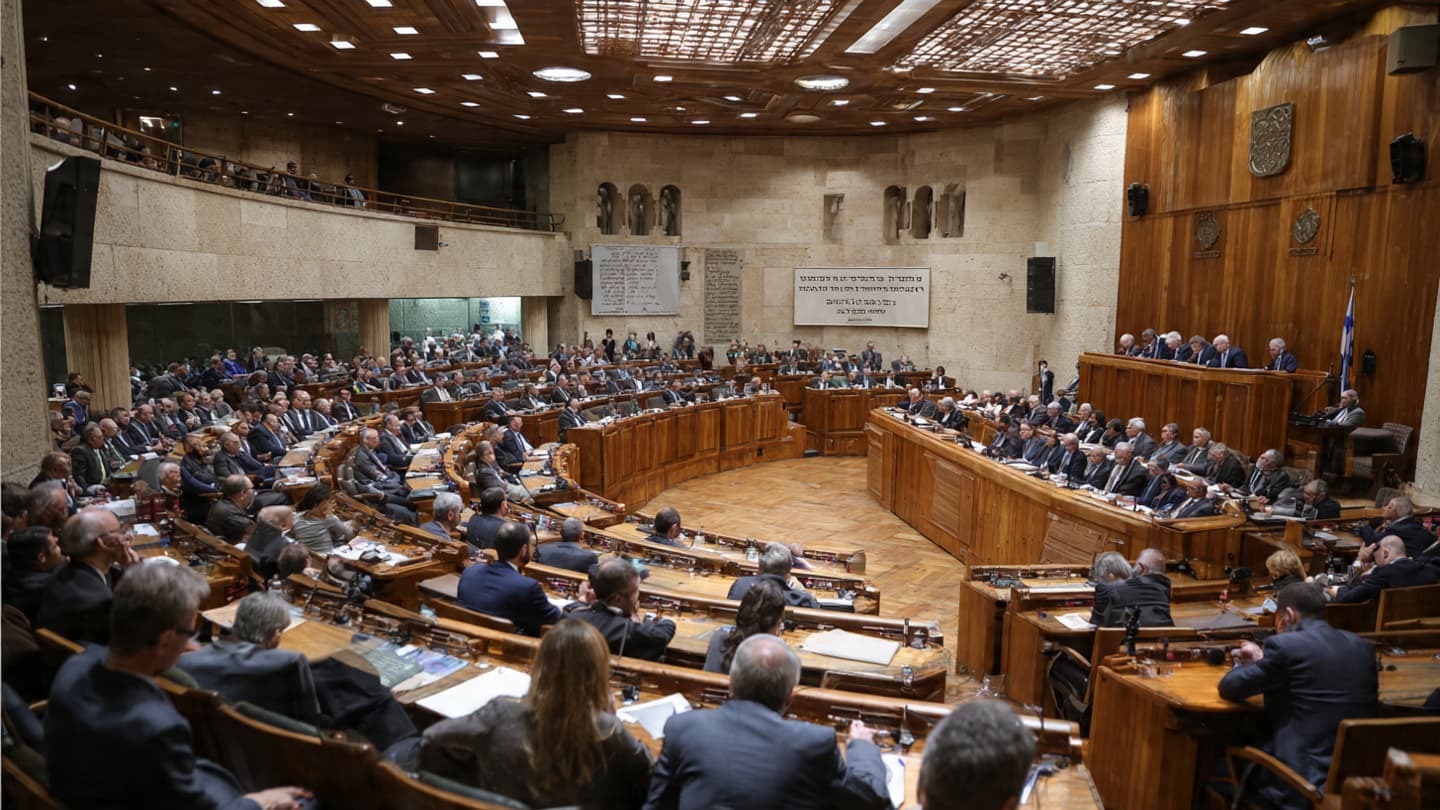
Political coalitions often resemble carefully balanced bridges, held together by negotiation, compromise, and shifting public expectations. In Israel, where coalition governments depend on fragile parliamentary arithmetic, debates surrounding identity, religion, and military service have once again moved from policy discussions into a wider struggle over political survival.
A coalition-backed bill to dissolve the Knesset passed a preliminary reading amid an escalating crisis surrounding legislation tied to military draft exemptions for haredi, or ultra-Orthodox, Jewish communities. The vote highlighted growing fractures within Israel’s governing alliance.
The dispute centers on long-standing exemptions allowing many ultra-Orthodox men engaged in religious study to avoid mandatory military service. Critics argue the policy creates inequality during a period when Israel faces heightened security pressures and extended military operations.
Several coalition members reportedly threatened to withdraw support from the government if disagreements over the draft legislation remained unresolved. Opposition parties also used the debate to intensify calls for early elections and broader political change.
Prime Minister has faced increasing pressure as his coalition attempts to balance security demands, religious party interests, and growing public frustration. Analysts noted that the issue has become both politically sensitive and symbolically significant within Israeli society.
Public demonstrations and political debate surrounding military service obligations have continued across the country. Some Israelis argue that wartime conditions require broader participation in national defense responsibilities, while religious leaders maintain the importance of preserving religious study traditions.
The preliminary passage of the dissolution bill does not automatically trigger elections, as further legislative procedures and political negotiations remain necessary. Coalition leaders may still attempt to reach compromises aimed at preserving the government.
Observers noted that repeated election cycles have become a defining feature of Israeli politics in recent years, reflecting the challenges of maintaining stable coalitions across a fragmented parliamentary system.
Israeli lawmakers are expected to continue negotiations and parliamentary debate as the future of both the coalition and the draft legislation remains uncertain.
AI-generated image disclaimer: Some visuals accompanying this article may include AI-generated depictions of parliamentary debate and political demonstrations.
Sources: Reuters, Haaretz, The Jerusalem Post, Associated Press, BBC News
Note: This article was published on BanxChange.com and is powered by the BXE Token on the XRP Ledger. For the latest articles and news, please visit BanxChange.com