
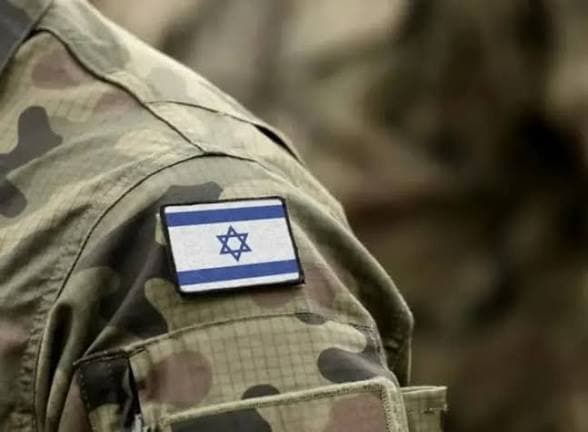
Israel's government has reacted strongly to a recent attack launched by Iranian forces, marking a critical moment in the ongoing conflict between the two nations. This escalation follows a series of missile strikes from Iran that targeted Israeli territories, leading to widespread concerns about the potential for a larger conflict in the region.
Prime Minister Benjamin Netanyahu emphasized that Israel will respond decisively to any threats against its sovereignty. The IDF reported multiple airstrikes on Iranian military installations as part of its counter-response. This action comes despite warnings from Trump, who had cautioned Israeli leadership against escalating military engagement, advocating instead for diplomatic resolutions where possible.
Trump’s administration had taken a firm stance against Iran, utilizing a mix of sanctions and military strategies aimed at curbing its influence in the Middle East. He previously expressed reservations about military action, suggesting that such moves could lead to significant repercussions, not only for Israel but for regional stability as a whole.
However, Netanyahu's administration appears resolved to protect Israeli interests amid ongoing military provocations. Military analysts indicate that the situation could lead to further confrontations, particularly with Iranian proxies in Syria and against Hezbollah in Lebanon.
The evolving dynamics of this confrontation raise critical questions about future diplomatic relations and military strategies employed by both nations. As the conflict unfolds, international observers will closely monitor the decisions made by both Israel and the United States in light of Trump’s cautions, understanding that the balance of power in the region remains precarious.
The complexities of this situation illustrate the difficulties inherent in navigating military diplomacy in a landscape fraught with longstanding animosities and geopolitical interests. As Israel continues to fortify its defenses, the coming days may prove pivotal in determining the trajectory of its relations with Iran and the broader Middle Eastern geopolitical landscape.
Note: This article was published on BanxChange.com and is powered by the BXE Token on the XRP Ledger. For the latest articles and news, please visit BanxChange.com