In the fog of war, clarity is often the first casualty. Recently, the Israeli military announced that it had cleared itself of wrongdoing in the death of a Canadian aid worker during an airstrike on a World Central Kitchen (WCK) convoy. The incident, which occurred in Gaza, has drawn international condemnation and raised serious questions about the safety of humanitarian operations in conflict zones. The military’s internal investigation concluded that the strike was a tragic mistake, not a deliberate act.
The convoy, carrying essential food supplies, was targeted despite having coordinated its movements with Israeli authorities. The Canadian victim, along with colleagues from other nations, was killed in the attack, shocking the global aid community. WCK had suspended its operations in Gaza following the incident, citing the unacceptable risk to its staff. The loss of life highlighted the perilous environment in which humanitarian workers operate, even when their neutrality is declared.
Israel’s Defense Forces stated that the strike resulted from a misidentification of the vehicles, attributing the error to procedural failures rather than malicious intent. They acknowledged the grave mistake and expressed regret for the loss of life. However, for the families of the victims and the international community, explanations do little to alleviate the grief or restore trust. The demand for accountability remains high.
Critics argue that the investigation lacks independence, as it was conducted by the military itself. Human rights organizations have called for an external, impartial inquiry to ensure transparency. They contend that self-investigation is insufficient in cases involving civilian casualties, particularly when the victims are foreign nationals working for recognized NGOs. The credibility of the findings is thus under intense scrutiny.
The incident has strained relations between Israel and several allied nations, including Canada, Australia, and the United States. Governments have urged Israel to take concrete steps to prevent such tragedies in the future. Diplomatic pressure is mounting, with calls for stricter adherence to international humanitarian law. The safety of aid workers is not just a moral imperative but a diplomatic necessity.
For World Central Kitchen, the decision to pause operations was difficult but necessary. The organization has long been a lifeline for Gazans facing famine, and its absence leaves a significant gap in relief efforts. The resumption of aid depends on guarantees of safety, which are currently elusive. The tragedy serves as a stark reminder of the human cost of conflict, even for those trying to alleviate suffering.
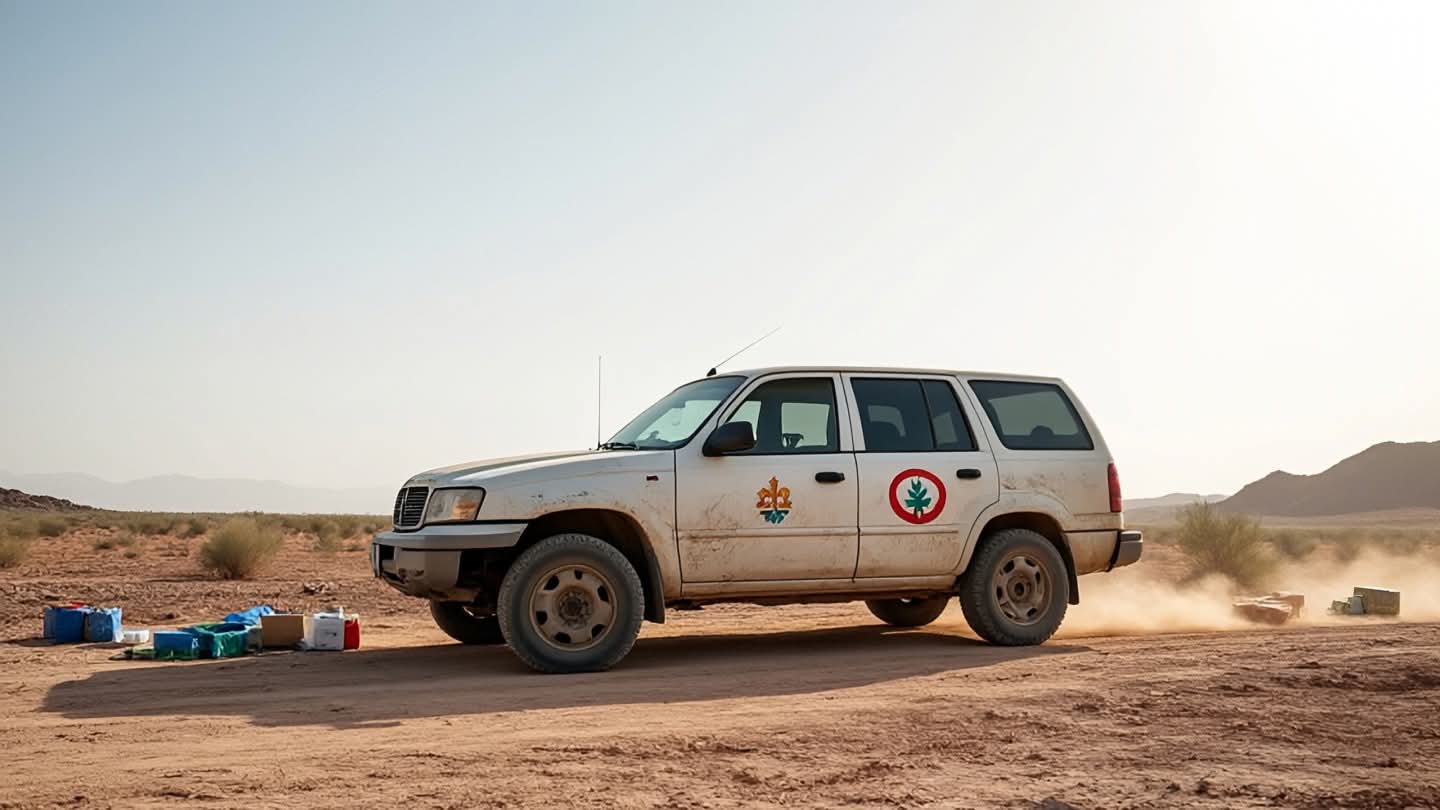
As the debate continues, the focus remains on preventing future incidents. Recommendations include better coordination mechanisms, clearer marking of aid vehicles, and independent monitoring. The international community is watching closely, expecting tangible changes rather than just apologies. The legacy of this event will likely shape how humanitarian aid is delivered in active war zones for years to come.
In the end, the clearing of Israel’s name by its own military does not bring back the lost lives. It offers a narrative of error, but not necessarily justice. For the Canadian family and the global aid community, the search for truth and accountability continues. The hope is that such tragedies will lead to systemic improvements, ensuring that help can reach those in need without fear of violence.
AI Image Disclaimer: Visuals in this article are AI-generated illustrations of humanitarian aid symbols and abstract representations of conflict zones, designed to visualize the theme of aid work without depicting real victims or graphic violence.
Sources: CBC News, Reuters, Al Jazeera, The Globe and Mail
Note: This article was published on BanxChange.com and is powered by the BXE Token on the XRP Ledger. For the latest articles and news, please visit BanxChange.com