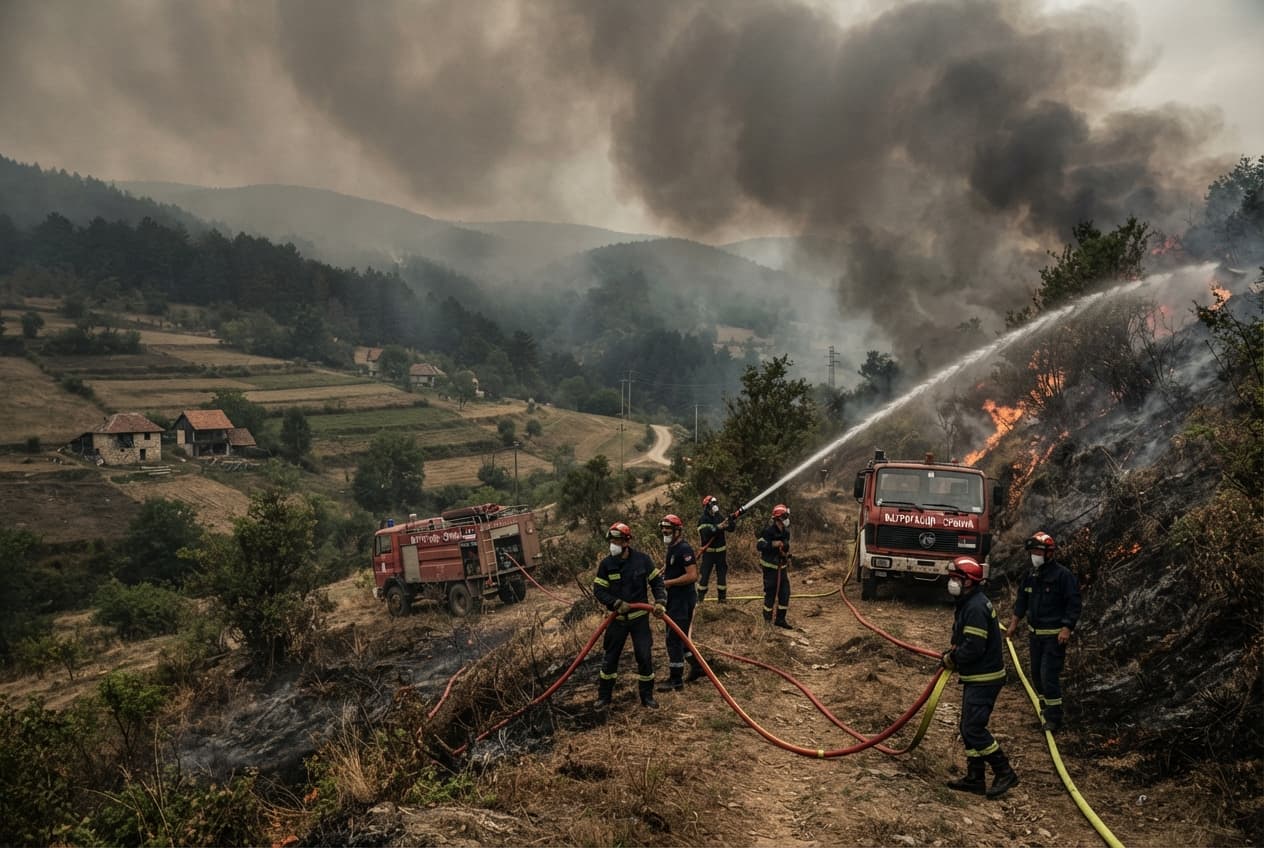
Nāʻālehu, United States—Severe tropical cyclone forces tore across the southern coastline, leaving widespread structural devastation and isolated communities in their wake. Emergency management directors confirmed at least one fatality tied directly to the high-water impacts, while search and rescue units deployed heavy equipment to reach cut-off rural sectors. Torrential downpours pushed local precipitation totals past historic thresholds over a forty-eight-hour window.
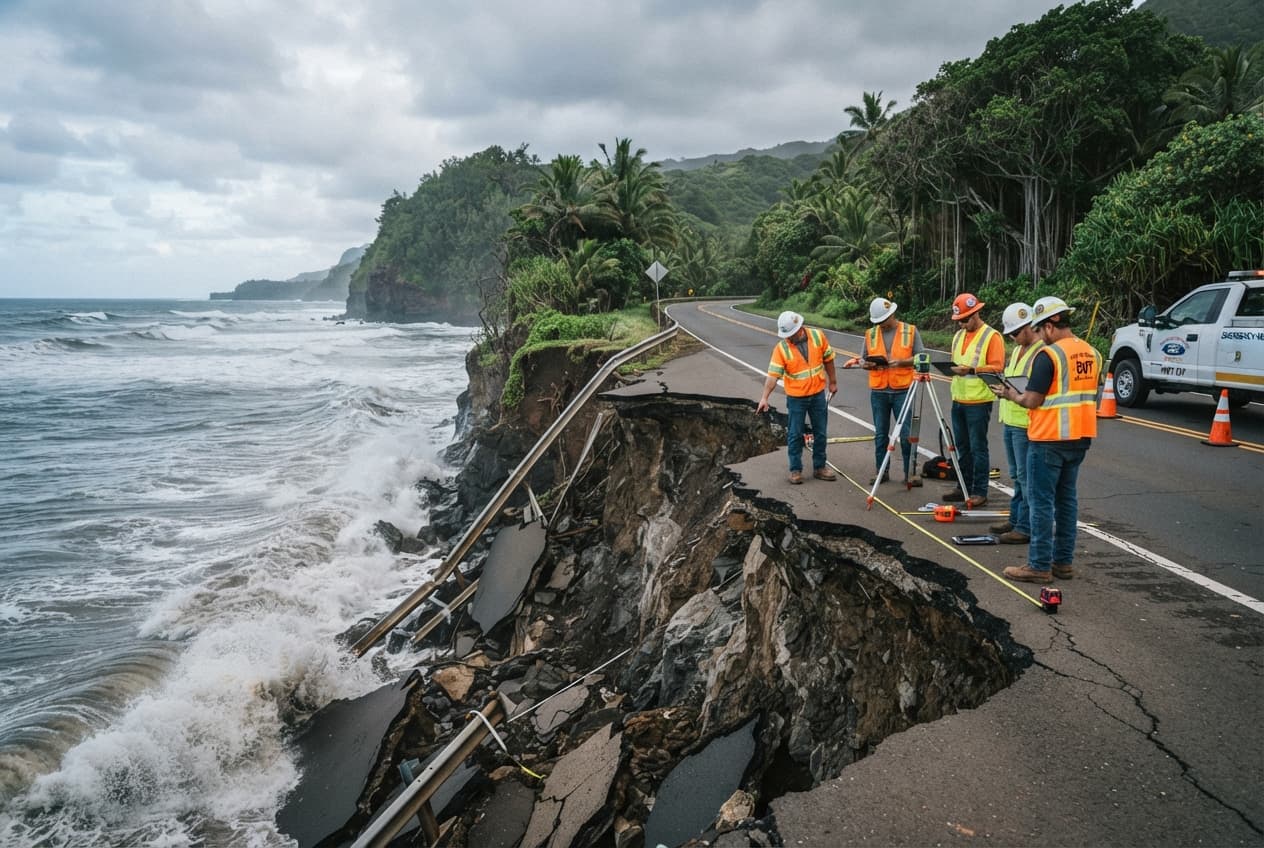
County officials located a missing resident dead within the hardest-hit district, marking the first verified casualty of the storm system. Rising floodwaters swept away numerous residential structures and undermined critical bridge footings across the southeastern quadrant. Major highway sections gave way overnight, shearing asphalt lanes completely off embankments and blocking the sole medical transit route for regional populations.
Utility providers reported staggering infrastructure failures as sustained gales snapped transmission poles. More than one hundred thousand homes and commercial accounts lost electrical service immediately. Line crews warned that rural properties could remain dark for weeks while engineers rebuild decimated substation links from scratch.
National Guard units arrived with specialized clearance vehicles to clear debris from blocked coastal arteries. Helicopters flew supply and reconnaissance missions over mountainous terrain where flash floods washed out secondary roads. Local municipalities opened emergency shelters to house displaced families whose homes sustained total structural failure.
State governors activated emergency funding mechanisms to accelerate recovery contracts across affected counties. Preliminary state estimates placed structural and infrastructural damage in the hundreds of millions of dollars. Municipal leaders cautioned citizens against returning to damaged properties until structural engineers complete safety audits.
Emergency room facilities operated on auxiliary generator power while handling a surge in storm-related injuries. First responders urged extreme caution during private cleanup operations, citing high risks from downed electrical lines and unstable chainsaw operations.
Search teams continued door-to-door welfare checks in remote neighborhoods cut off by fallen timber. Municipal water boards issued boil-water advisories as flood contamination compromised local municipal supplies.
Heavy engineering teams worked to establish temporary Bailey bridges over washed-out ravines to restore basic emergency transit access.
Note: This article was published on BanxChange.com and is powered by the BXE Token on the XRP Ledger. For the latest articles and news, please visit BanxChange.com