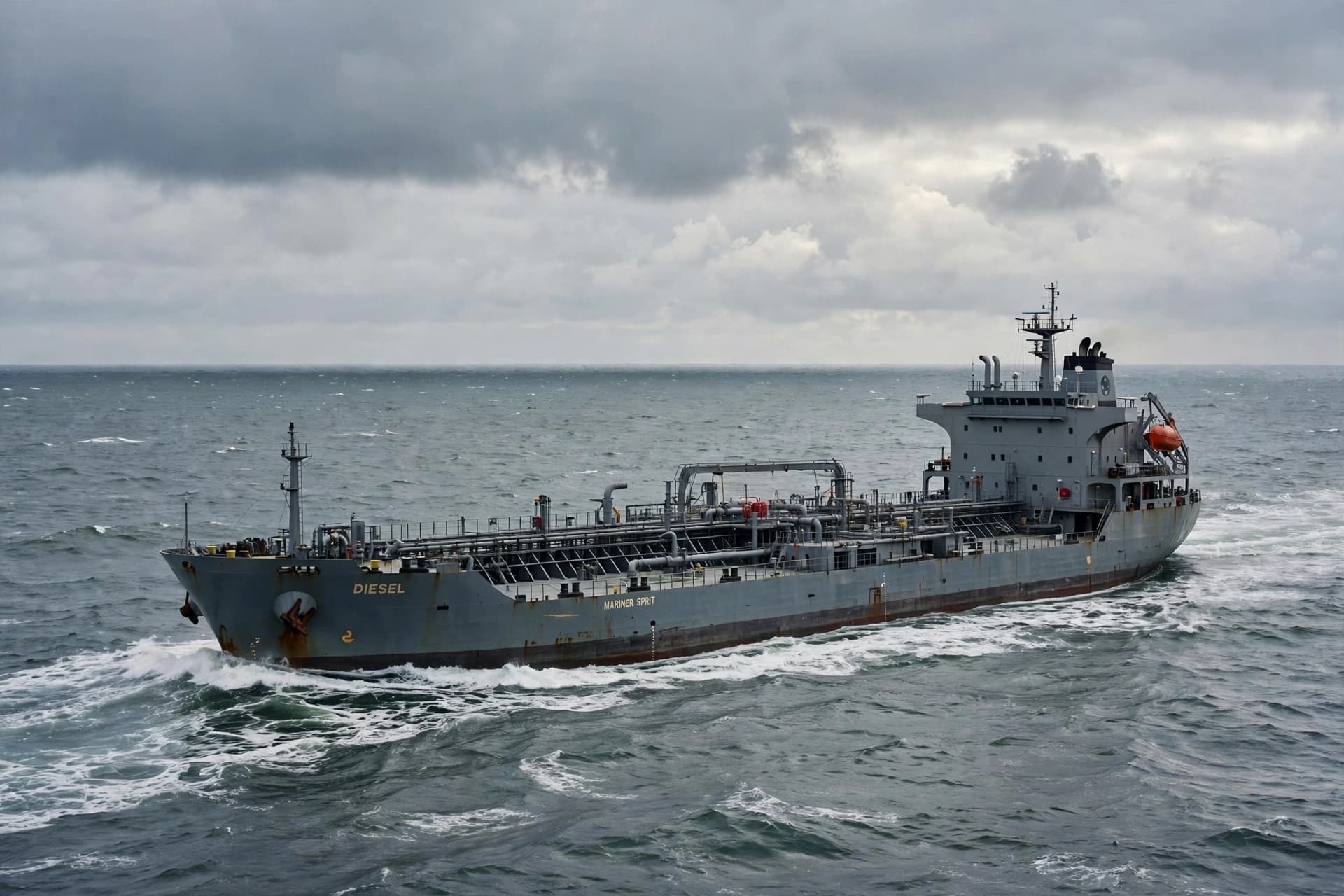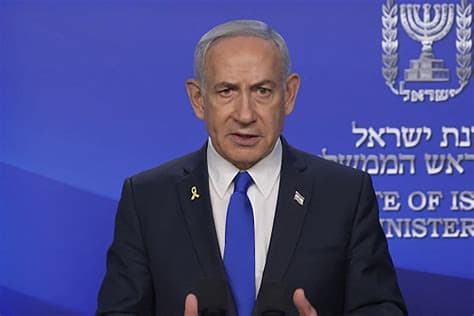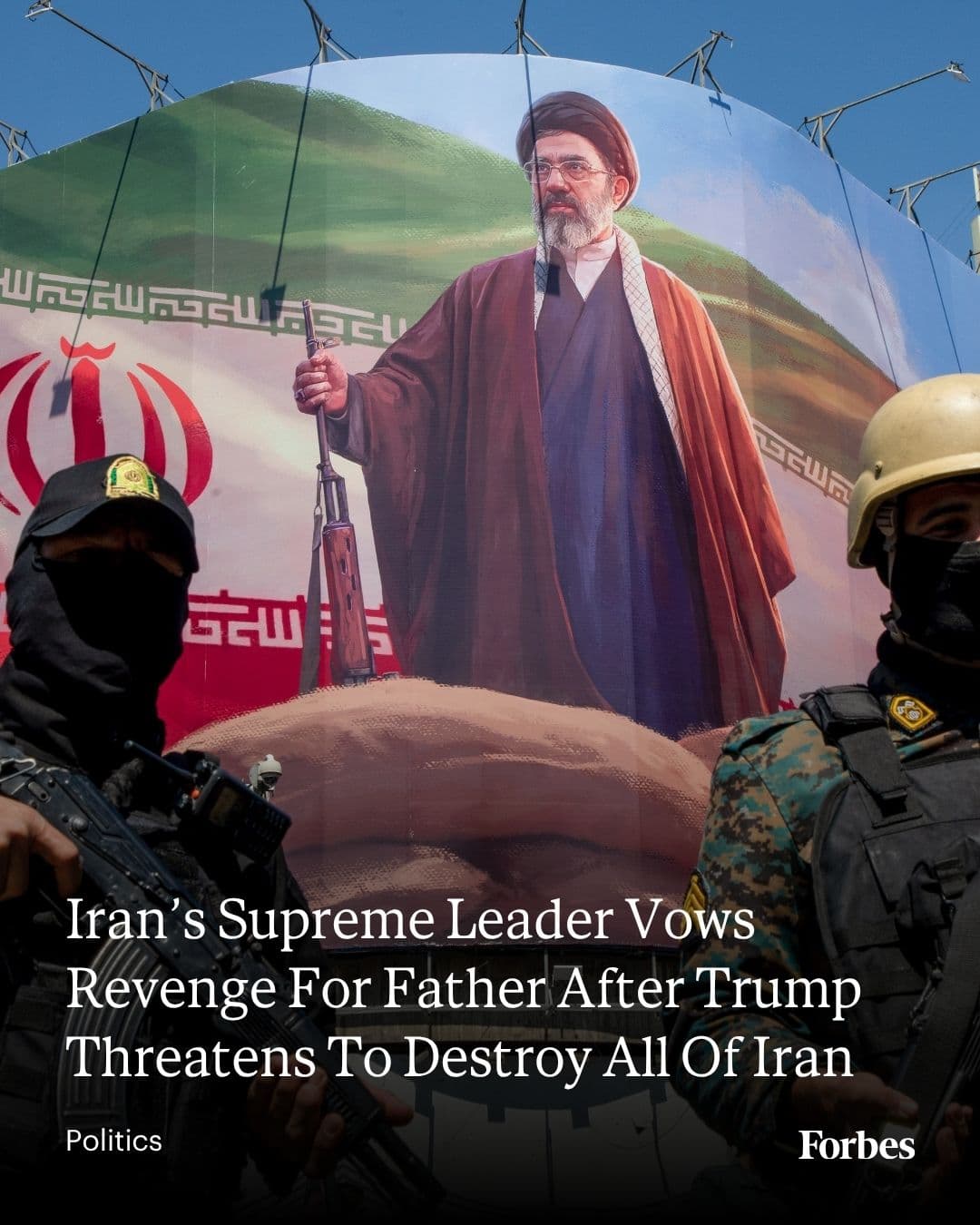
Fresh geopolitical tensions have emerged following reports that Iranian Supreme Leader Mojtaba Khamenei vowed retaliation against the United States after the reported assassination of his father. The remarks came amid an increasingly hostile exchange between Tehran and Washington, with both sides issuing strong public statements that have heightened concerns about regional stability. The latest developments follow warnings from U.S. President Donald Trump, who reportedly threatened severe consequences against Iran if American interests or allies come under attack. The escalating rhetoric has fueled speculation about potential diplomatic, economic, and military responses from both nations as international observers monitor the situation closely. Financial markets often react quickly to geopolitical uncertainty involving the Middle East due to the region’s importance to global energy production and trade. Investors have been assessing the potential impact on oil supplies, shipping routes, defense spending, and broader market sentiment should tensions continue to rise. Regional allies and international organizations are expected to encourage restraint as concerns grow about the possibility of miscalculations that could lead to a wider confrontation. Diplomatic channels remain critical for reducing risks and preventing further escalation between the two countries. The situation underscores the fragile balance of power in the Middle East, where political disputes can quickly influence global markets, energy security, and international relations. Analysts will continue watching for official policy announcements and diplomatic developments in the days ahead.
Published by Banx Network. This article is part of the Banx decentralized media programme, powered by the BXE token on the XRP Ledger.