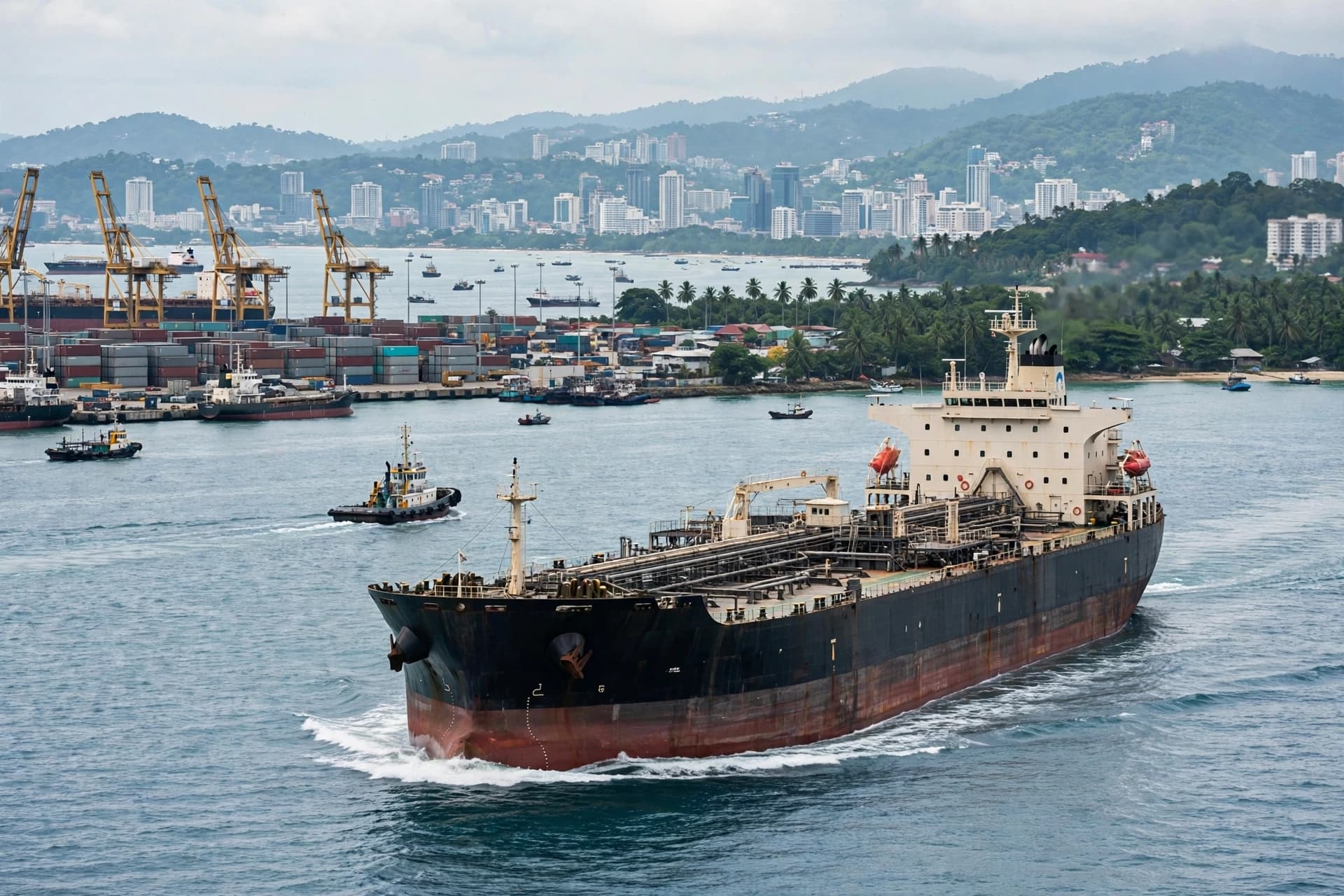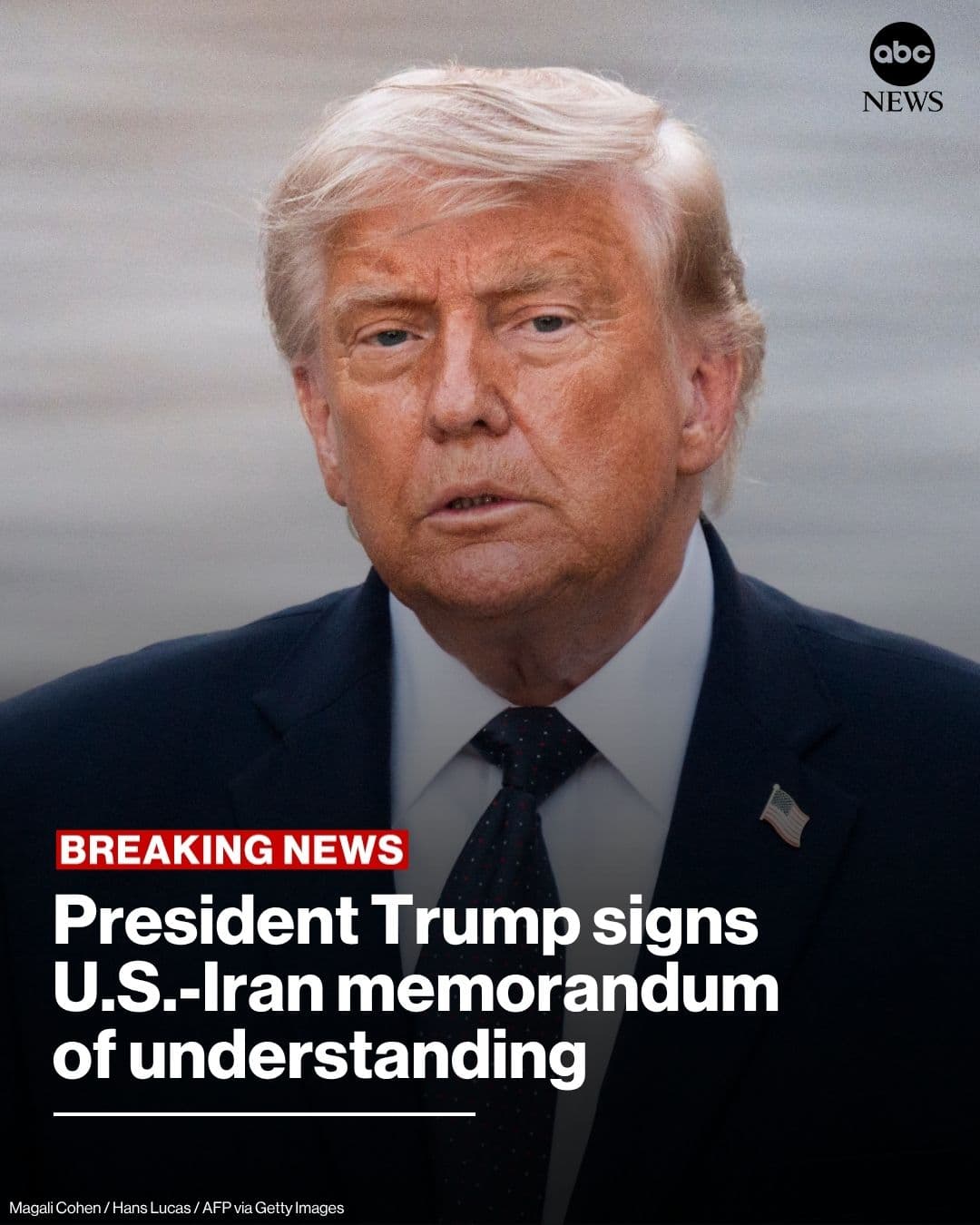
Iran has announced that a newly signed memorandum of understanding (MoU) with the United States establishes a framework under which Tehran will receive payments for services provided to vessels transiting the Strait of Hormuz. The development marks a significant shift in regional maritime relations and has quickly drawn attention from global energy markets, shipping operators, and geopolitical analysts. The Strait of Hormuz remains one of the world's most strategically important waterways, connecting the Persian Gulf to international markets. A substantial portion of global oil and liquefied natural gas exports passes through the narrow maritime corridor each day. Any policy changes affecting navigation, security, or transit costs can have wide-ranging implications for international trade. According to reports circulating across financial and geopolitical media, the agreement focuses on compensation mechanisms linked to maritime services rather than direct shipping tolls. Analysts suggest the arrangement could be designed to improve vessel safety, navigation support, emergency response capabilities, and regional coordination efforts. Markets initially reacted with cautious optimism. Traders interpreted the announcement as a potential sign of reduced tensions in a region that has experienced periodic disruptions and security concerns over the past decade. Energy companies and shipping firms are expected to monitor implementation details closely before assessing the long-term impact. The agreement also arrives at a time when governments worldwide are seeking greater stability in critical supply chains. Any reduction in uncertainty surrounding the Strait of Hormuz could contribute to smoother energy transportation and lower risk premiums for maritime insurance. While many questions remain unanswered, the announcement has already become a major topic of discussion among policymakers, investors, and security experts. Further details regarding payment structures, operational oversight, and international participation are expected in the coming weeks.
Published by Banx Network. This article is part of the Banx decentralized media programme, powered by the BXE token on the XRP Ledger.