
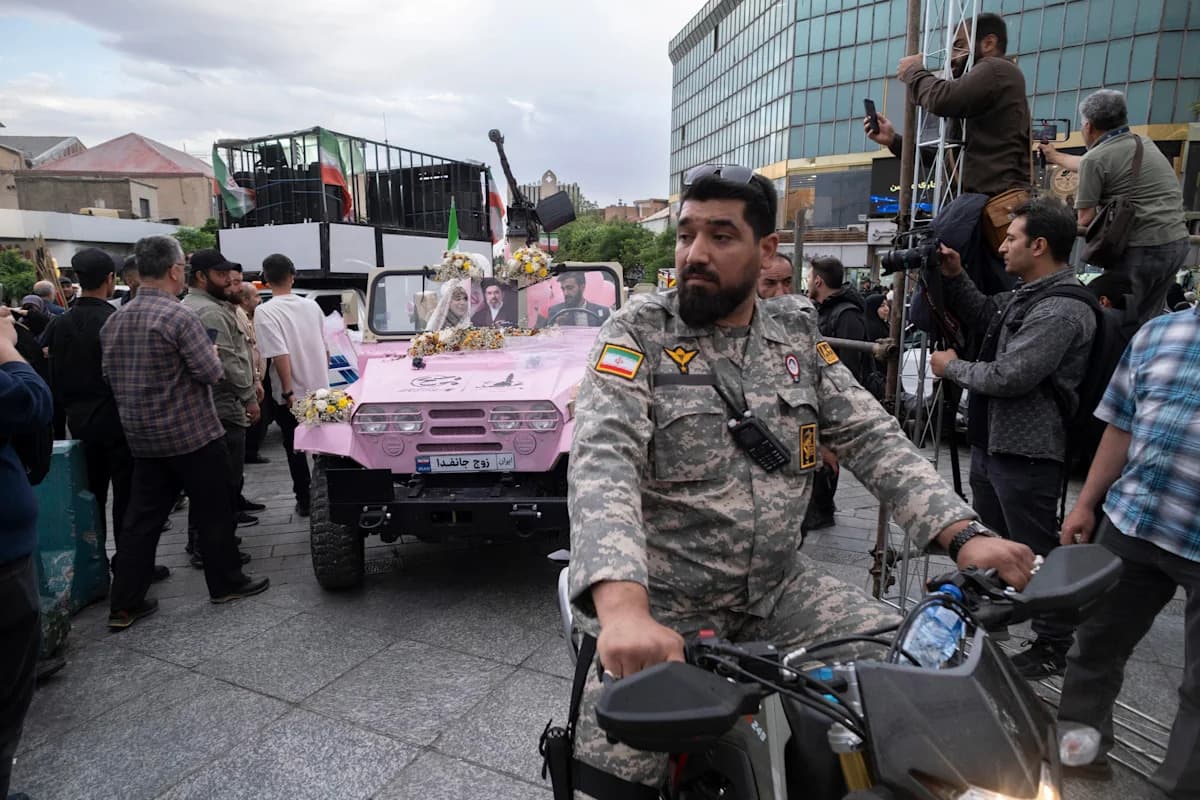
Key Highlights
- Event:Iran has organized mass weddings for couples pledging to serve the nation.
- Purpose:The initiative aims to boost national morale amid geopolitical tensions.
- Criticism:Critics argue it militarizes personal relationships and raises ethical concerns.
In a significant display of national solidarity, Iran has recently staged mass weddings for couples who have pledged their readiness to make sacrifices for their country, particularly in the context of military service. This initiative is part of a broader strategy by the Iranian government to bolster national morale and encourage volunteerism as geopolitical tensions escalate in the region.
The mass wedding events serve not only as a celebration of love and commitment but also as a rallying call for patriotism. Couples participating in these ceremonies are often encouraged to view their unions as a testament to their willingness to contribute to the defense of their nation. This narrative of sacrifice is deeply embedded in the cultural and political fabric of Iran, especially given the country's ongoing military policies and regional ambitions.
These events are emblematic of the nationalist sentiments that the Iranian government seeks to promote. By framing personal commitments in the context of national duty, the government aims to foster a sense of solidarity among citizens. The emphasis on sacrifice and service resonates strongly within Iranian society, where military service is often viewed as a noble endeavor.
However, the mass weddings have drawn criticism from various quarters. Detractors argue that these ceremonies represent a troubling militarization of personal relationships, effectively using the institution of marriage as a tool for political propaganda. The pressure placed on individuals to align their personal lives with nationalistic fervor raises serious ethical questions about autonomy and the portrayal of military service in society.
As these mass weddings continue to gain attention, they illustrate the complex interplay between personal lives and national duty in Iran. The implications of this phenomenon extend beyond the couples involved, reflecting a broader societal narrative surrounding sacrifice, honor, and loyalty. The Iranian government's efforts to intertwine personal commitment with national service highlight the challenges faced by individuals navigating their roles within a politically charged environment.
In conclusion, the mass weddings in Iran serve as a poignant reminder of the ways in which personal and national identities can become intertwined. As the country faces ongoing geopolitical challenges, these ceremonies may continue to play a significant role in shaping the narrative of sacrifice and patriotism among its citizens.
Published by Banx Network. This article is part of the Banx decentralized media programme, powered by the BXE token on the XRP Ledger.



