
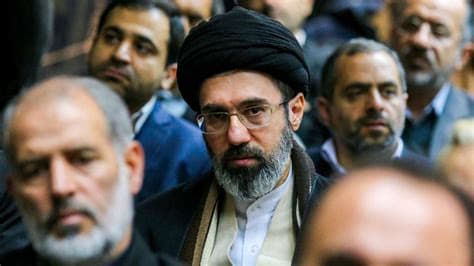
Iran is signaling it wants a stronger hand in how the Strait of Hormuz is administered even as it marks the funeral period for Supreme Leader Ayatollah Ali Khamenei. Iranian officials and state-linked voices have reiterated that the strait is a matter of Iranian authority and have warned outsiders against actions they frame as challenging Iran’s role.
The push coincides with renewed diplomatic friction involving Western states and regional Oman, which borders the southern side of the strait. France and the United Kingdom said they would coordinate with Oman to ensure ships can transit safely through Oman’s territorial waters. Iran, however, has repeatedly argued it should control the strait—or at minimum negotiate an arrangement with Oman that involves shared management.
The article also describes how the strait’s importance to global energy flows remains central to the dispute. During the conflict, Iran effectively disrupted traffic, while the U.S. sought to pressure Iran and keep passages open. With talks still ongoing or intermittently paused around major events, some limited traffic is returning, but the overall situation remains tense and below pre-war levels.
Against this backdrop, the U.S. has continued to report ongoing transits in the region and says it is focused on keeping navigation safe, while Iran insists on route and oversight expectations. The funeral period adds another layer of political messaging, with Iran using the moment to project resolve as negotiations related to the strait and other issues continue.
Note: This article was published on BanxChange.com and is powered by the BXE Token on the XRP Ledger. For the latest articles and news, please visit BanxChange.com