
Key Highlights
- Iran has closed the Strait of Hormuz following a maritime incident.
- The closure is linked to U.S. interference in the region.
- Iranian officials are negotiating with Oman for safe passage mechanisms.
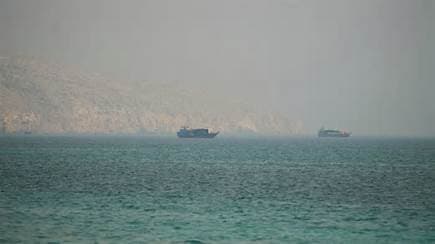
Iran announced on Sunday that it has officially closed the Strait of Hormuz, a vital waterway for global oil transportation, following an incident involving a vessel that the Iranian authorities described as violating maritime security protocols. The announcement was made by the Islamic Revolutionary Guard Corps (IRGC), which stated that the vessel had turned off its navigation systems and was subsequently struck. The IRGC further indicated that several other vessels attempted to navigate through the strait using what they termed an “unauthorized route,” ignoring warnings to alter their course.
The IRGC's statement emphasized that the closure of the waterway would remain in effect “until further notice.” They linked this decision to a broader context of regional security, asserting that it was a response to what they described as the “end of U.S. interference” in the area. The IRGC also issued a stern warning that any acts of aggression against Iran would be met with a “severe response,” suggesting that new military targets could be pursued if necessary.
In the wake of this announcement, Iranian Foreign Minister Abbas Araghchi engaged in discussions with his Omani counterpart in Muscat. The talks focused on establishing “appropriate mechanisms” to ensure the safe passage of vessels through the Strait of Hormuz. Oman has indicated that negotiations will continue at both technical and political levels, highlighting the importance of maintaining open shipping lanes in the region.
This incident occurs against a backdrop of escalating tensions between Iran and the United States, particularly concerning maritime security and the ongoing ceasefire negotiations. The Strait of Hormuz is a critical chokepoint for oil shipments, with approximately 20% of the world’s oil passing through this narrow passage. As such, developments in this region are closely monitored by energy markets, which are sensitive to any disruptions that could affect oil supply and prices.
The closure of the Strait of Hormuz could have significant implications for global energy markets, particularly if the situation escalates further. Analysts are watching closely to see how this situation unfolds, especially in light of the ongoing geopolitical tensions that have characterized U.S.-Iran relations in recent years. The potential for military confrontation remains a concern, as both sides navigate the complexities of regional security and international diplomacy.
Published by Banx Network. This article is part of the Banx decentralized media programme, powered by the BXE token on the XRP Ledger.



