
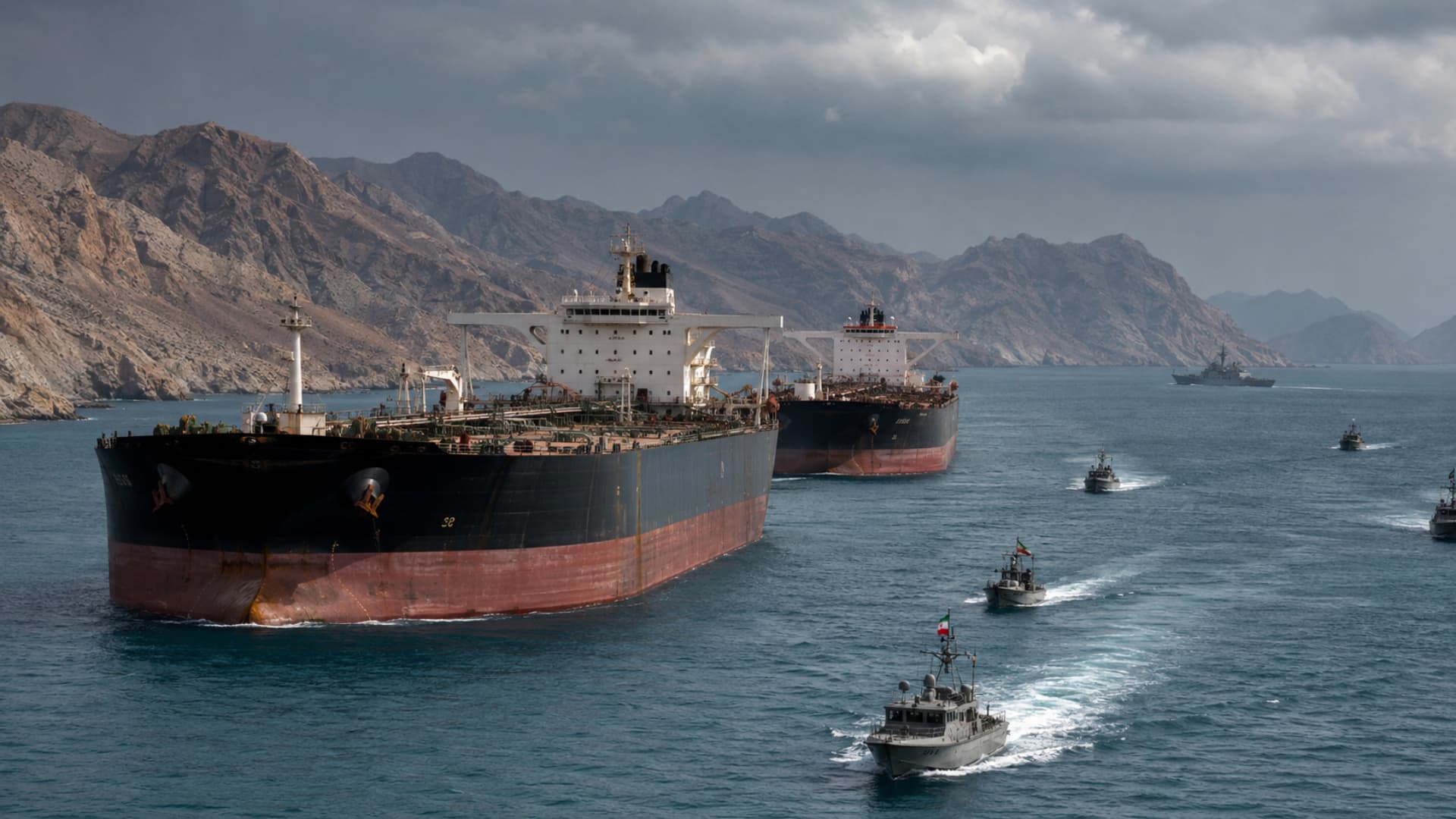
In a provocative development, Iran has released a new maritime map claiming jurisdiction over waters adjacent to the United Arab Emirates and Oman, particularly in the Strait of Hormuz. This assertion has heightened tensions in a region crucial for global oil shipments and maritime navigation.
The new map outlines territorial claims that overlap with waters traditionally acknowledged as part of UAE and Omani territorial waters, a move that is likely to provoke diplomatic challenges and territorial disputes. The Strait of Hormuz is a strategic chokepoint through which a significant portion of the world's oil passes, making the region's stability vital for international trade.
Iranian officials have defended their claims, citing historical rights and asserting that this delineation is necessary for national security. However, neighboring nations, particularly the UAE and Oman, have expressed concern over these claims, viewing them as violations of international norms regarding maritime boundaries.
The geopolitical implications of Iran's new map are considerable. Regional analysts warn that this move could further escalate disputes in the Persian Gulf, already marked by tensions between Iran and various Gulf Cooperation Council (GCC) states. Additionally, this assertion of territorial control may complicate ongoing diplomatic dialogues and security arrangements in the region.
International reaction has been swift, with calls for adherence to established maritime laws and respect for territorial integrity. The United States and other Western nations have historically supported the freedom of navigation in the Strait of Hormuz, and this development may lead to increased military presence in the area to ensure safe passage for commercial vessels.
As the situation unfolds, the potential for conflict or diplomatic resolutions remains uncertain. The long-standing tensions in the Gulf, combined with this new territorial assertion, underscore the fragility of relations in a region where national interests often collide.
This proclamation by Iran serves as a reminder of the complex interplay of sovereignty, security, and international diplomacy in one of the world's most strategically significant waterways.
Published by Banx Network. This article is part of the Banx decentralized media programme, powered by the BXE token on the XRP Ledger.


