
There are moments in nature when balance feels almost unspoken, as if ecosystems rely on invisible threads that hold species together across land, sea, and sky. When new diseases enter this delicate structure, the effects often unfold quietly at first, before becoming part of a wider scientific concern. Across Australia, researchers are now closely watching one such emerging threat.
Scientists and wildlife health authorities are monitoring the potential impact of highly pathogenic avian influenza, commonly known as bird flu, on native Australian mammals. While the virus primarily affects birds, international evidence suggests it can sometimes spread to mammalian species under certain conditions.
Researchers note that several mammal groups, including marine mammals and scavenging species, have been affected in outbreaks overseas. This has raised questions about how the virus could interact with Australia’s unique wildlife, which includes many species not found anywhere else in the world.
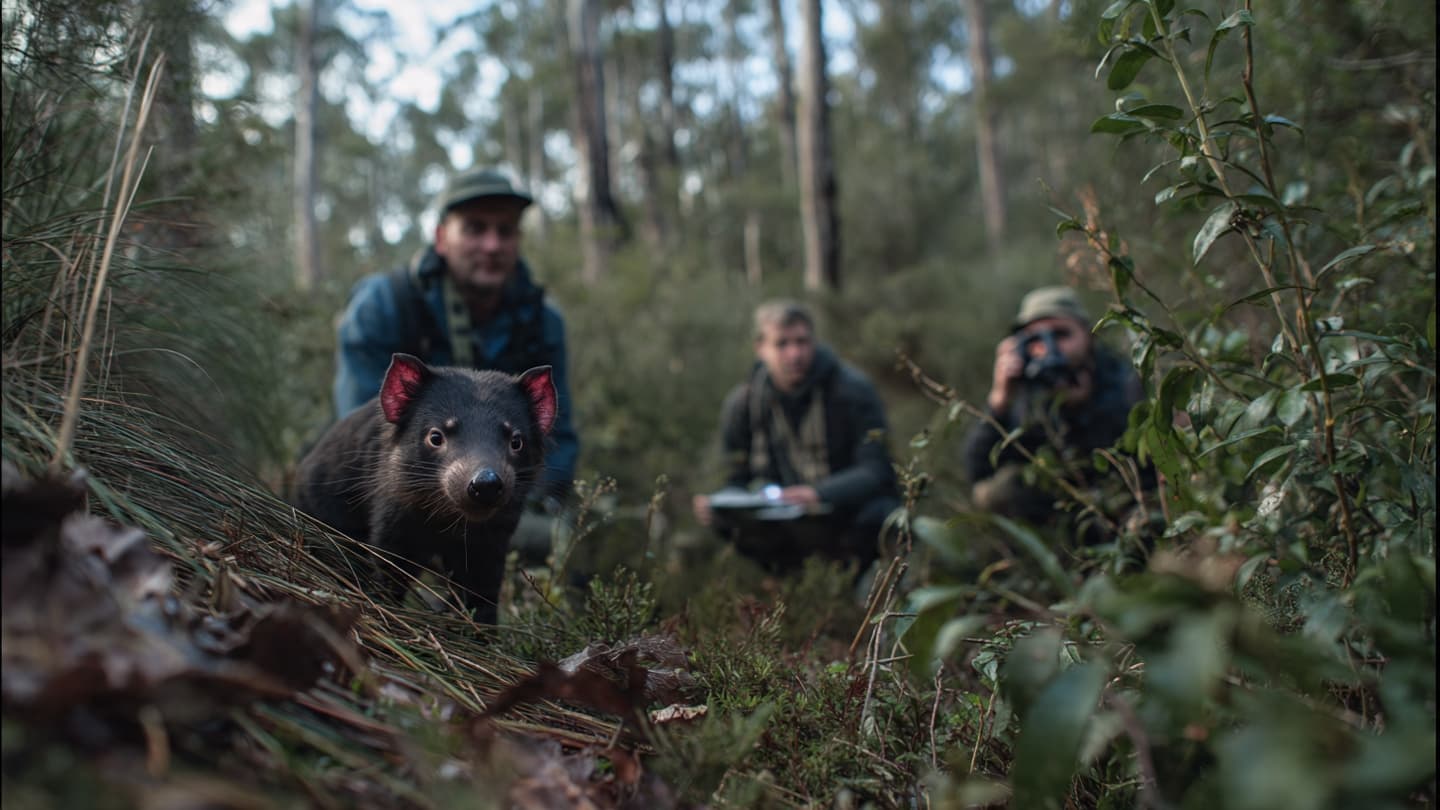
Species under observation include marine mammals such as seals and sea lions, as well as terrestrial animals like the Tasmanian devil and certain marsupials. Scientists emphasize that while there is no widespread outbreak in Australian wildlife at present, vigilance is essential given the evolving nature of the virus globally.
Australia’s biosecurity systems are considered among the most stringent in the world. Government agencies continue to monitor migratory bird populations, livestock, and wildlife health indicators to detect any early signs of viral introduction.
Experts explain that early detection plays a crucial role in preventing large-scale outbreaks. Surveillance programs, laboratory testing, and field research are all part of a broader effort to understand how diseases move through ecosystems and how they might be contained.
Conservation groups have also highlighted the importance of coordinated responses involving scientists, veterinarians, government agencies, and local communities. Protecting biodiversity in Australia requires preparation not only for known threats but also for emerging biological risks.
As research continues, scientists stress that understanding the interaction between wildlife and evolving viruses remains a global priority. For Australia, the focus remains on monitoring, preparedness, and maintaining the resilience of its unique and irreplaceable ecosystems.
AI Image Disclaimer: The images accompanying this article are AI-generated editorial illustrations created solely for visual representation.
Sources (Source Verification Check): ABC News Australia, CSIRO, Australian Department of Agriculture, WHO animal health updates
Published by Banx Network. This article is part of the Banx decentralized media programme, powered by the BXE token on the XRP Ledger.



