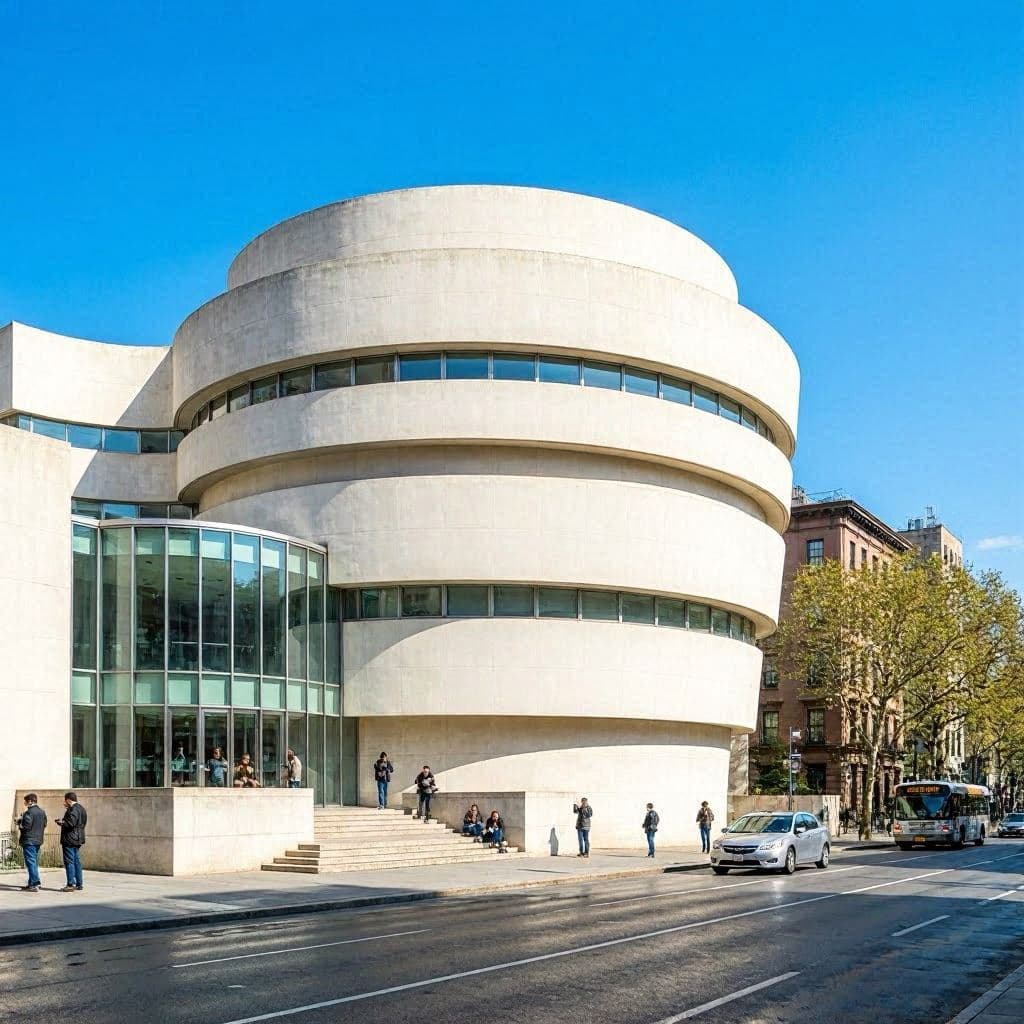
New York City is a place of grandeur and grit, where cultural landmarks stand as testaments to human achievement. Among these is the Guggenheim Museum, a spiral of white concrete that houses some of the world’s most prized art. Recently, however, the museum found itself at the center of a different kind of attention, as it was identified among several buildings testing positive for Legionnaires’ disease bacteria. This development serves as a quiet but urgent reminder that even our most iconic spaces require vigilant maintenance to ensure the safety of all who enter. It invites reflection on the invisible systems that sustain our urban lives.
Body: Legionnaires’ disease is a severe form of pneumonia caused by the bacterium Legionella, which thrives in warm water systems. It is not transmitted from person to person but rather through the inhalation of mist or vapor containing the bacteria. Sources can include cooling towers, hot tubs, and large plumbing systems in big buildings. The detection of the bacteria in the Guggenheim and other structures highlights the complexity of managing water safety in large-scale urban infrastructure.
The outbreak has prompted health officials to conduct thorough inspections and testing across the city. Buildings identified with positive results are required to take immediate corrective actions, such as cleaning and disinfecting water systems. These measures are standard protocol, designed to eliminate the bacteria and prevent exposure. The transparency of the reporting process helps to inform the public and ensure accountability among building owners and managers.
For visitors to the Guggenheim and other affected sites, the news may cause concern. However, health experts emphasize that the risk of contracting the disease is relatively low for the general public. Most cases occur in individuals with underlying health conditions or weakened immune systems. Nevertheless, the identification of the bacteria is taken seriously, and precautions are implemented to protect everyone, regardless of their health status.
The incident underscores the importance of regular maintenance and monitoring of building systems. In a city as dense and dynamic as New York, the infrastructure is constantly under stress. Aging pipes, fluctuating temperatures, and high usage can create conditions favorable for bacterial growth. Proactive management is essential to prevent such issues, requiring investment and attention from property owners and regulatory bodies alike.
Public health campaigns often focus on visible threats, but invisible dangers like Legionella require a different approach. Education and awareness are key tools in prevention. Building managers are trained to recognize risk factors and implement best practices for water safety. This behind-the-scenes work is crucial for maintaining the health of the city’s occupants, even if it rarely makes headlines.
The response from the Guggenheim and other institutions has been cooperative and swift. They work closely with the Department of Health to address the issue and ensure that their facilities remain safe for staff and visitors. This collaboration demonstrates a commitment to public welfare and the preservation of trust in cultural and commercial spaces. It is a reminder that safety is a shared responsibility.
Closing: In the end, the detection of Legionnaires’ bacteria in prominent NYC buildings is a call to vigilance. It reminds us that the comfort and safety of our urban environments depend on diligent care and oversight. As the city continues to thrive, the hope is that such incidents lead to stronger systems and greater awareness, ensuring that our landmarks remain places of inspiration rather than concern.
AI Image Disclaimer: The visual representations associated with this article are AI-generated artistic interpretations designed to illustrate the themes of urban health and infrastructure.
Sources: New York City Department of Health and Mental Hygiene The New York Times CNN
Published by Banx Network. This article is part of the Banx decentralized media programme, powered by the BXE token on the XRP Ledger.