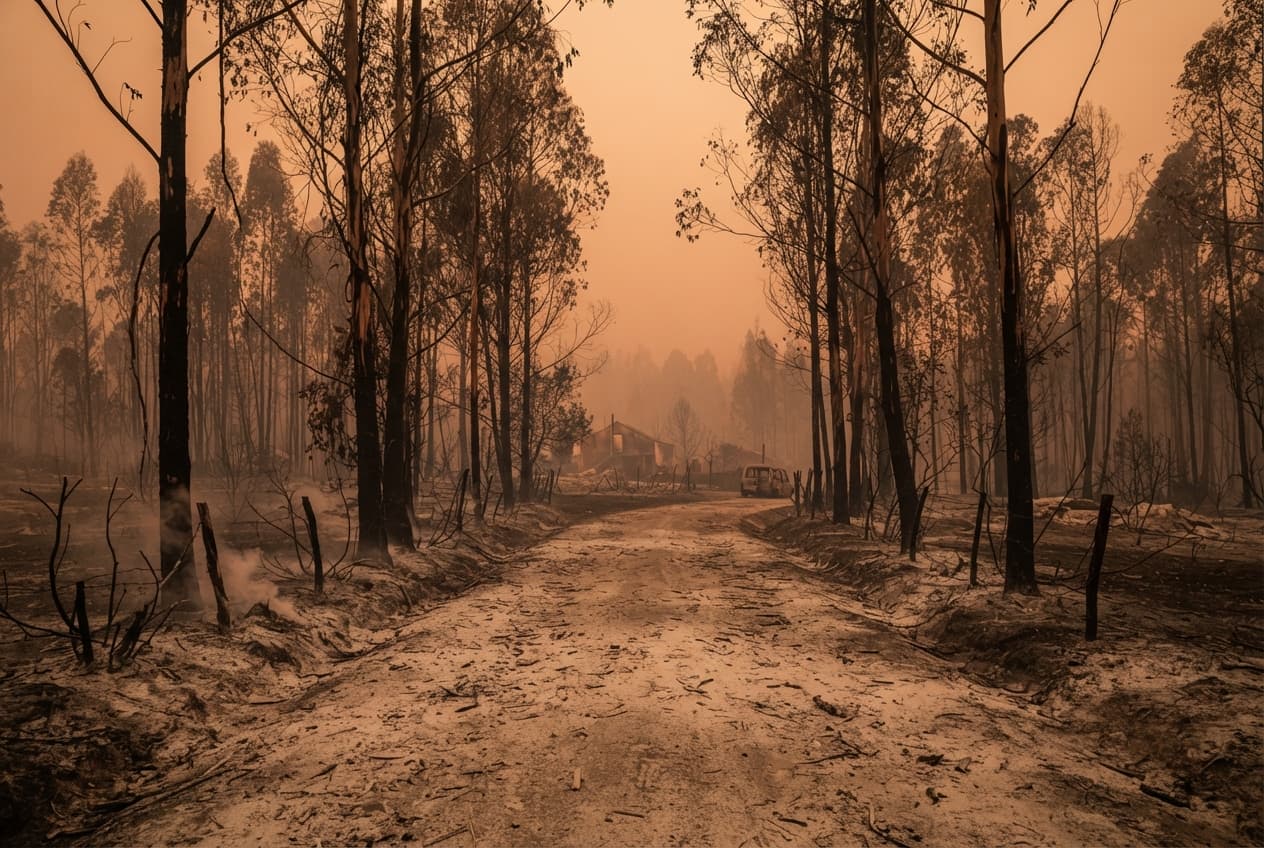
The border is never merely a line on a map; it is a state of being, a threshold where the known world ends and the uncertain, shifting landscape of conflict begins. In the regions that press against the northern edges of Yemen, the air itself feels heavy, charged with the static of distant instability. The recent security alerts serve as a formal acknowledgement of what the inhabitants have long sensed: that the fragile peace they once enjoyed has been permanently altered, replaced by a constant, low-frequency hum of potential danger.
To travel near these zones is to navigate a geography of caution. There is a marked difference in the pace of life here, a defensive posture that defines every interaction and every movement. The landscape, once characterized by the bustle of transit and the flow of local commerce, now sits in a kind of suspended animation. It is a region waiting for the next tremor of the conflict to ripple across its hills and valleys, a place where the ordinary is held hostage to the unpredictable.
We observe the way the alerts ripple outward, affecting not just the military outposts and the checkpoints, but the daily lives of those who dwell in the small villages and townships that dot the interior. The closure of routes, the heightened presence of surveillance, and the constant, whispered warnings of the community create a claustrophobic atmosphere. It is the realization that the modern instruments of conflict—the drones, the rockets, the rapid mobilization of forces—have shrunk the world until even the most remote home is within reach.
The authorities speak of these zones in the language of logistics—risk assessments, travel advisories, and the consolidation of safety perimeters. Yet, for those who remain, the reality is far more intimate. It is the sound of the night sky, the way the light shifts, and the constant calculation of risk that must be performed before any journey is undertaken. The security alert is a cold, rational document, but its manifestation is a human experience of profound, persistent anxiety.
We are reminded, as we read the dispatches from these high-risk areas, that the geography of our global connectivity has not liberated us from the geography of our fears. The desert landscape may be expansive, but it is effectively becoming a place where the movement of the human spirit is increasingly restricted. The border has moved inward, settling into the very towns and marketplaces that were meant to be the sites of exchange and growth, now redefined as points of potential contact and collision.
As the international community watches, the warnings are reinforced, echoing the consensus that the instability in the border regions has reached a critical phase. There is a sense of impending, though ill-defined, shifts in the territorial control of these zones, a feeling that the map is being rewritten in real-time. In this space between the desert and the crisis, the residents remain, forced to wait out the storm of geopolitical currents that they did not initiate and cannot influence.
The latest advisory issued by regional security officials has upgraded the status of several provinces along the southern frontier to a maximum-security alert level. The move follows reports of increased cross-border incursions and the unauthorized deployment of heavy weaponry by non-state actors operating within the mountainous terrain adjacent to the border. Authorities have instituted a permanent curfew in high-risk sectors and have begun the evacuation of critical infrastructure personnel from remote outposts.
Intelligence reports suggest that the heightened alert will remain in effect for the foreseeable future, as military analysts monitor the escalation of activity in the nearby conflict corridors. Diplomatic missions have strongly advised all foreign nationals to vacate the vicinity of the border immediately, citing the lack of available emergency support and the high probability of further tactical operations. Local governance structures have been suspended in the affected zones to facilitate the military’s unrestricted command of the territory.
Published by Banx Network. This article is part of the Banx decentralized media programme, powered by the BXE token on the XRP Ledger.