
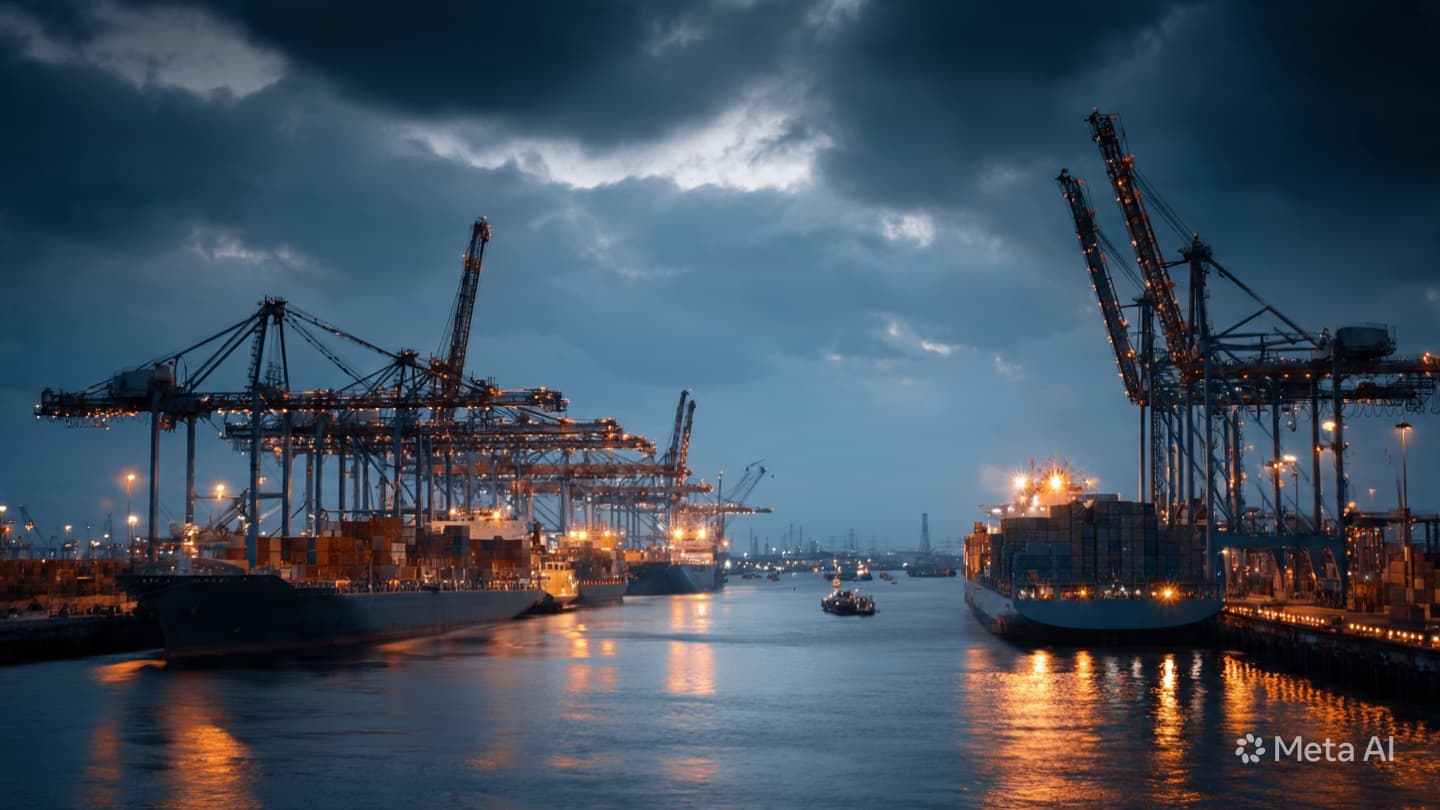
The Port of Busan stands as the economic heart of South Korea’s maritime trade, a massive, hyper-kinetic harbor where giant container vessels, international cargo ships, and regional fishing fleets converge from every corner of the globe. In this dense marine environment, the conservation of water quality and ecosystem health requires strict adherence to international environmental conventions and national maritime laws. Because the harbor is intimately bound to the city's identity and local seafood industry, the deliberate pollution of these waters is viewed not merely as an administrative infraction, but as a direct assault on the community's survival.
This collective ecological trust was severely violated during a midnight watch when the captain of a large commercial vessel allegedly authorized the systematic discharge of hundreds of gallons of raw industrial oil directly into the harbor waters. The act, carried out under the cover of darkness while the ship was berthed at a cargo terminal, created a thick, toxic slick that quickly began to spread across the quiet currents of the port. The illegal dumping represents a craven attempt to bypass the necessary costs associated with legitimate onshore waste disposal facilities.
The response from the Busan Coast Guard and maritime environmental protection units was swift, triggered by automated harbor surveillance sensors and reports from vigilant crew members on neighboring vessels. Patrol boats converged on the commercial ship, utilizing high-intensity searchlights to illuminate the iridescent sheen of industrial oil clinging to the vessel's hull. Maritime police boarded the ship under emergency environmental protection protocols, confronting the commanding officer and taking him into immediate custody following a preliminary analysis of the ship's internal bilge and waste logs.
The arrest of the commercial captain, a veteran mariner, marks a decisive and uncompromising enforcement action by the state. Investigators from the maritime police bureau spent the morning executing a comprehensive inspection of the vessel’s engineering spaces, documenting the specific valves and pumping systems used to discharge the hazardous waste. The ship itself has been detained under a court-ordered freeze, preventing it from leaving the jurisdiction until full environmental remediation costs and statutory fines are secured by the port authorities.
The ecological consequences of the discharge are far-reaching, requiring an immediate, large-scale containment and cleanup operation coordinated by maritime response teams. Fleet units deployed extensive oil-containment booms around the affected basin, utilizing skimming vessels and specialized absorbent materials to lift the toxic hydrocarbons from the surface before they could wash into open coastal waters or sensitive aquaculture zones. The operation is a race against the tide, transforming the busy commercial port into a theater of intensive environmental preservation.
Within the regional shipping industry, the incident has met with sharp condemnation from environmental groups and local fisheries cooperatives, who bear the immediate economic brunt of harbor pollution. Activists point out that despite heavy statutory penalties, some operators continue to engage in illegal dumping practices to shave margins off operational overhead. The Busan Coast Guard has used this high-profile arrest to signal a period of zero tolerance, announcing an increase in unannounced late-night inspections of foreign and domestic commercial hulls.
The detained captain faces severe criminal charges under South Korea's Marine Environment Management Act, which carries heavy prison sentences and astronomical financial penalties for deliberate, large-scale pollution events. The legal briefs will move to the Busan District Prosecutor's Office, supported by precise toxicological fingerprints matching the harbor spill directly to the specific oil types stored within the vessel’s internal reservoirs. The prosecution will seek a punitive sentence to serve as an absolute deterrent to the global shipping community.
As the sun sets over the industrial crane silhouette of Busan, the cleanup crews continue their rhythmic, mechanical work under the glare of portable spotlights. The skimming boats move slowly through the docks, the containment booms rise and fall with the gentle swells, and the harbor strives to purge itself of the artificial stain. The commercial traffic of the great port continues to roll out toward the Pacific, but the heavy hand of maritime justice remains firmly anchored to the vessel left behind in the dark.
Note: This article was published on BanxChange.com and is powered by the BXE Token on the XRP Ledger. For the latest articles and news, please visit BanxChange.com