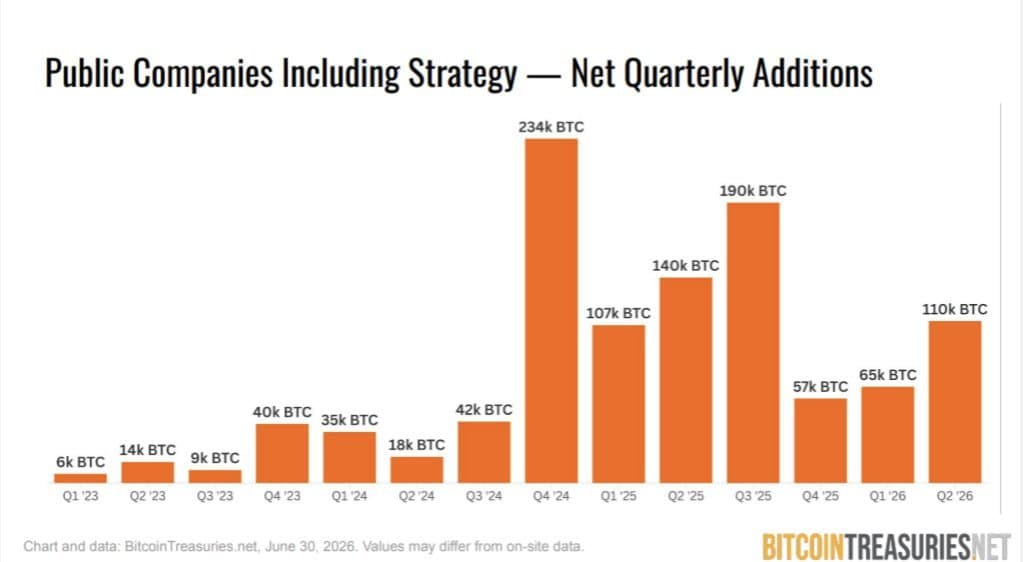
Institutional investors are continuing to increase exposure to Bitcoin through corporate treasury strategies, exchange-traded funds and regulated custody platforms as digital assets become more integrated into mainstream financial markets. The trend reflects growing confidence among professional investors who increasingly view Bitcoin as a long-term strategic asset rather than a speculative investment alone. Corporate treasury adoption has expanded as publicly traded companies allocate portions of their cash reserves to Bitcoin, seeking potential protection against currency debasement and long-term inflation. Institutional participation has also accelerated through regulated investment products that provide exposure without requiring direct management of private cryptographic keys. Asset managers note that improved regulatory clarity, enhanced custody solutions and growing market liquidity have reduced several barriers that previously limited institutional participation. Banks and financial service providers now offer custody, trading and settlement services tailored to professional investors. Bitcoin's limited supply continues to be cited as one of its defining characteristics. Supporters argue that its fixed issuance schedule differentiates it from traditional fiat currencies whose supply can expand through monetary policy. Critics, however, maintain that Bitcoin remains subject to significant price volatility and regulatory uncertainty. Pension funds, hedge funds and family offices are increasingly evaluating digital assets within diversified investment portfolios. Rather than replacing traditional investments, many institutions treat Bitcoin as an alternative asset capable of enhancing portfolio diversification over long investment horizons. Regulatory developments remain a key factor influencing future adoption. Governments continue refining digital asset frameworks covering taxation, consumer protection, anti-money laundering requirements and market oversight. Greater legal certainty could encourage additional institutional participation while improving investor confidence. Looking ahead, analysts expect institutional demand to remain an important driver of Bitcoin's market development as financial infrastructure continues maturing. Continued innovation in custody, settlement and investment products may further integrate digital assets into the global financial system.
Published by Banx Network. This article is part of the Banx decentralized media programme, powered by the BXE token on the XRP Ledger.