
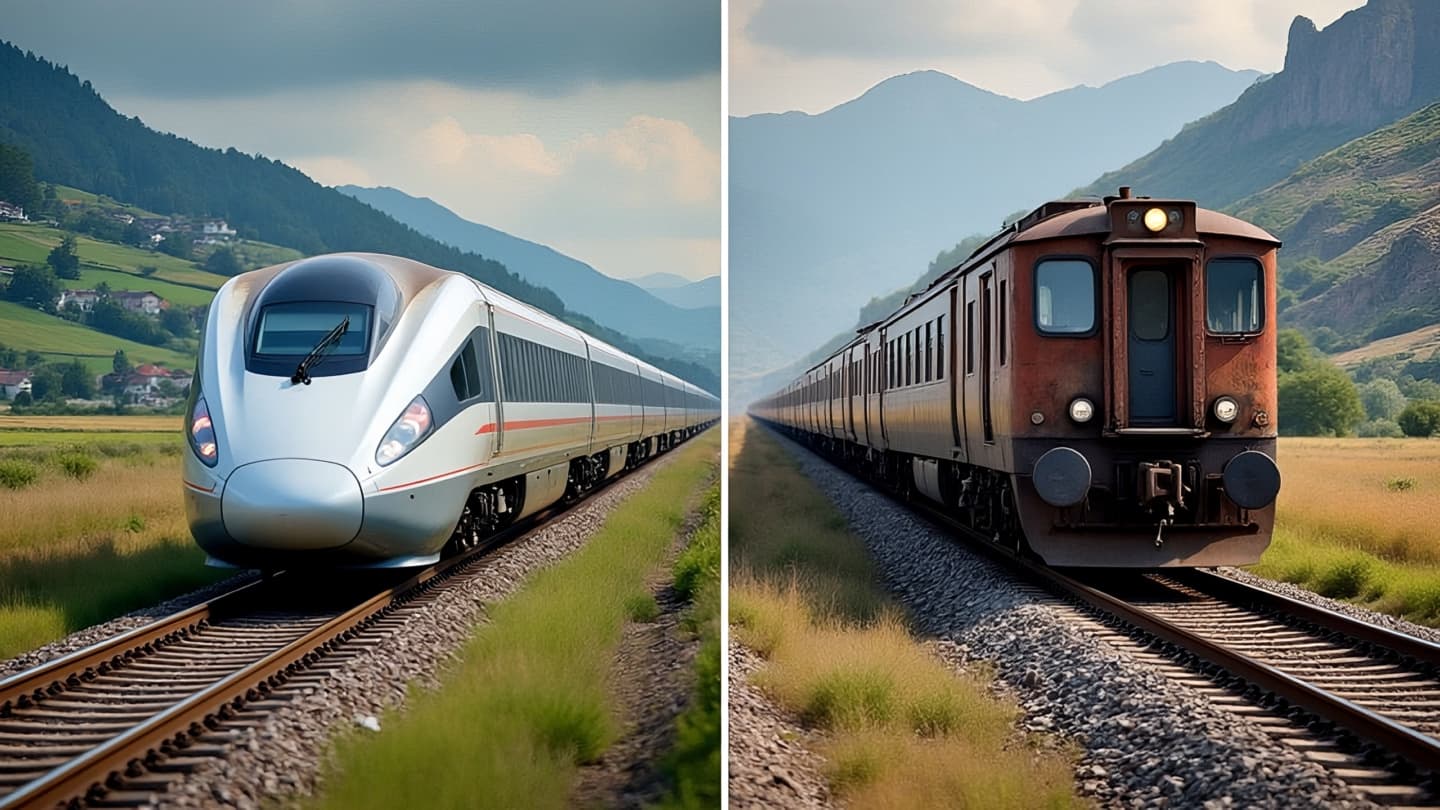
Opening: In many parts of the world, the train is a symbol of modernity, efficiency, and connectivity. In Japan, bullet trains slice through the landscape at breathtaking speeds; in Europe, high-speed networks link cities with seamless ease. Yet, in the United States, rail travel often feels like a relic of the past, slower and less reliable than its counterparts abroad. This disparity is not accidental but the result of historical choices, geographic realities, and policy priorities. Understanding why US train travel lags behind requires looking beyond the tracks to the broader narrative of American transportation.
Body: The primary reason for the difference lies in infrastructure ownership. In much of Europe and Asia, rail networks are state-owned and prioritized for passenger transport. In the US, Amtrak, the national passenger railroad, operates mostly on tracks owned by private freight companies. This arrangement means that passenger trains often take a backseat to lucrative freight traffic, leading to delays and scheduling conflicts. The lack of dedicated high-speed lines further hampers efficiency and speed.
Geography also plays a significant role. The US is a vast continent with low population density in many regions, making high-speed rail economically challenging to implement outside of specific corridors like the Northeast. In contrast, many European and Asian countries have higher population densities and shorter distances between major cities, creating a natural demand for rapid rail connections. The scale of the US requires a different approach to transportation, one that has historically favored highways and aviation.
Investment patterns have heavily favored roads and airports since the mid-20th century. The Interstate Highway System and the expansion of air travel offered flexibility and speed that appealed to American consumers and policymakers. Rail, perceived as slower and less flexible, received less funding and political support. This legacy of underinvestment has created a cycle where poor service leads to low ridership, which in turn justifies further neglect.
Regulatory and bureaucratic hurdles also slow progress. Building new rail lines involves complex land acquisition, environmental reviews, and local opposition. These processes can take decades, increasing costs and delaying projects. In countries with more centralized planning authority, such as China, infrastructure can be built more rapidly. The decentralized nature of US governance makes large-scale rail projects difficult to coordinate and execute.
Cultural factors contribute as well. The car is deeply embedded in American identity, symbolizing freedom and independence. Public transit, including trains, is often viewed as a secondary option rather than a primary mode of transport. Changing this mindset requires not just better service but a shift in urban planning and lifestyle preferences. It is a gradual process that faces entrenched habits and infrastructural inertia.
However, there are signs of change. Recent federal investments aim to upgrade existing lines and explore new high-speed projects. States like California and Texas are pursuing their own high-speed rail initiatives, recognizing the potential benefits for congestion relief and economic growth. These efforts suggest a growing recognition that rail can play a vital role in a sustainable transportation future.
Comparing the US to other regions is not about disparaging American choices but understanding the context. Each system reflects its unique history, geography, and values. The lag in US rail travel is a product of specific conditions, not necessarily a failure of vision. As needs evolve, so too may the approach to rail, blending old traditions with new innovations.
Closing: US train travel lags behind Asia and Europe due to a combination of private track ownership, geographic scale, historical underinvestment, and cultural preferences for cars and planes. While challenges remain, recent investments signal a potential shift toward improved rail infrastructure. The future of American rail depends on balancing these complex factors.
AI Image Disclaimer: Please be aware that the visual aids in this piece are AI-generated interpretations designed to support the narrative of transportation infrastructure.
Sources: The New York Times Brookings Institution Amtrak BBC Travel
Note: This article was published on BanxChange.com and is powered by the BXE Token on the XRP Ledger. For the latest articles and news, please visit BanxChange.com