Jos, Nigeria—A catastrophic failure in the subterranean ventilation system of a primary industrial extraction facility in the north-central mining district triggered a massive discharge of vaporized lead oxide early Saturday, suffocating thirty-seven workers. The lethal gas pocket escaped during a routine deep-vein blasting sequence meant to clear a new production gallery. Ground supervisors reported that automated atmospheric alarms failed to activate, leaving the extraction crew entirely exposed to the heavy, toxic fumes within the enclosed subterranean shafts.
Emergency rescue teams equipped with specialized breathing apparatuses descended into the main shaft three hours after the initial venting incident occurred. They recovered the bodies of thirty-five miners from the lowest staging platform, while two additional laborers succumbed to acute pulmonary failure during transport to a regional medical facility. Structural engineers immediately sealed the primary shaft head with heavy steel plating to prevent the toxic plume from drifting into neighboring agrarian settlements.
The state mining regulatory board suspended the operator's extraction license indefinitely pending a comprehensive forensic audit of the underground safety mechanisms. Preliminary telemetry logs retrieved from the surface control room indicate a sudden pressure drop in the chemical scrubbing units ninety minutes before the blast sequence began. Technicians apparently bypassed the warning indicators to maintain the daily production schedule, a decision that directly doomed the underground crew.
Local health clinics established a secondary monitoring perimeter within a two-kilometer radius of the mine gates to screen residents for signs of acute heavy metal inhalation. Lead oxide exposure at these concentrations causes rapid neurological damage and immediate respiratory arrest, leaving victims virtually no time to utilize standard emergency oxygen canisters. Local water utility boards also began testing nearby surface reservoirs to ensure the airborne discharge did not contaminate municipal drinking supplies.
Dozens of family members gathered outside the chain-link perimeter fence, demanding answers from corporate representatives who remained inside the administrative compound behind armed security guards. The mining company issued a brief, four-line statement expressing regret for the loss of life but declined to comment on the specific failure of the safety bypass systems. Private security units eventually used barricades to push the crowd back from the main logistics gates.
Independent labor union representatives arrived on the scene by midday to launch an autonomous parallel investigation into the facility's operational history. Union records show the mine faced three separate citations for faulty ventilation maintenance over the past eighteen months, with none of the penalties resulting in meaningful equipment upgrades. The organization is demanding criminal negligence charges against the executive board rather than standard financial settlements.
The economic reality of the sudden closure will halt regional ore processing operations for several weeks, disrupting the domestic supply chain for battery manufacturing plants. Contract haulers parked their heavy flatbeds along the approach roads, waiting to hear if they will be permitted to retrieve equipment trapped inside the secondary loading bays. The site remains under strict police lockdown while federal accident investigators document the underground blast site.
Clerks at the regional morgue struggled to process the influx of casualties, forcing authorities to deploy a refrigerated shipping container to serve as a temporary holding facility. Identification procedures are moving slowly because several of the contract laborers lacked official corporate identification badges or biometric registration entries. Local religious leaders are coordinating with municipal officials to expedite the release of bodies for immediate traditional burial services.
National industrial safety inspectors scheduled an emergency press briefing for Sunday afternoon to address widespread vulnerabilities across the regional mining sector. The disaster highlights a broader pattern of regulatory evasion where operators consistently prioritize volume over basic atmospheric monitoring protocols. Previous legislative efforts to mandate automated kill-switches on heavy extraction machinery remain stalled in committee.
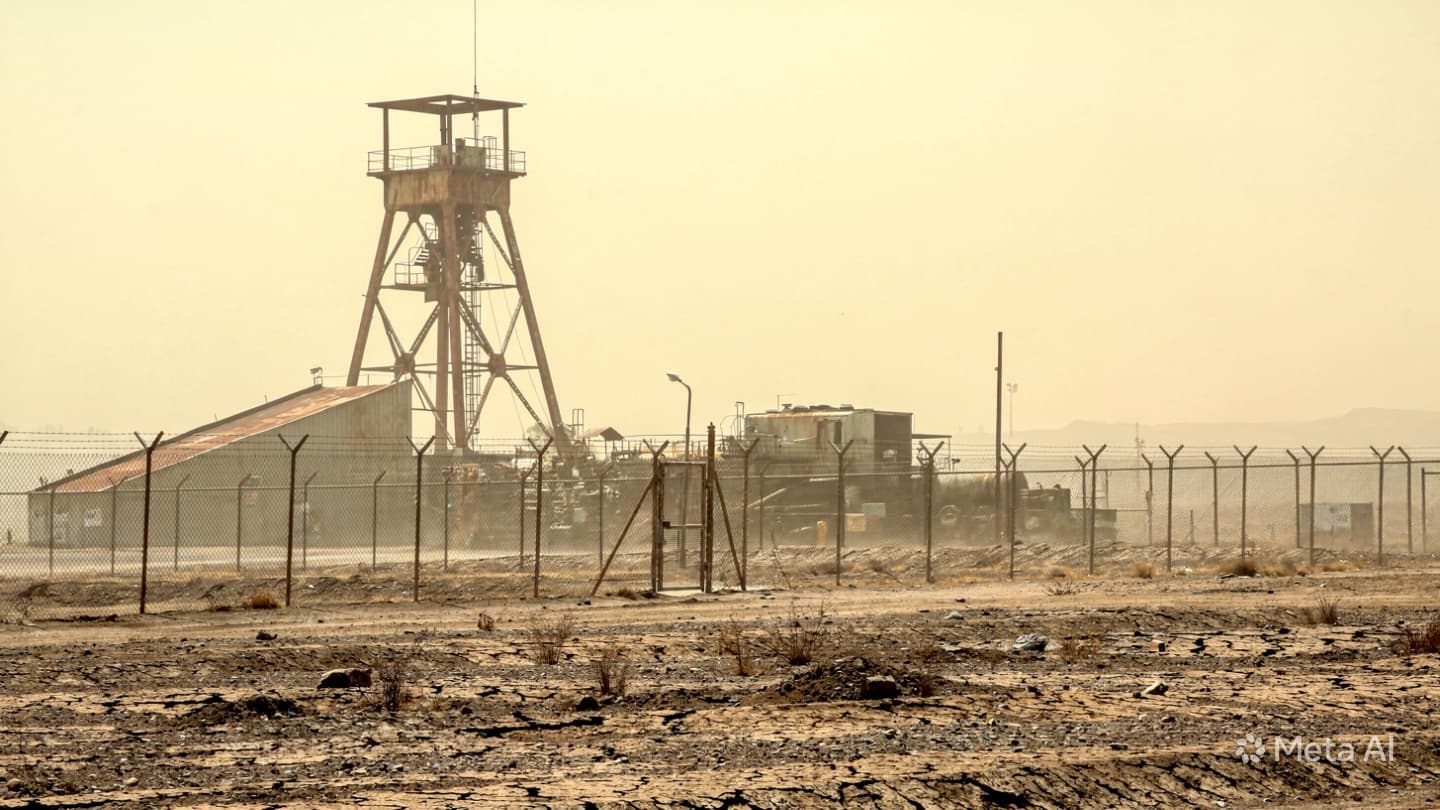
The sun set over the rusted derrick towers of the silent mining complex as specialized environmental cleanup crews arrived with neutralising chemical sprays. Handheld monitors still detect elevated particulate counts directly above the main elevator housing, keeping the immediate zone entirely uninhabitable without military-grade respirators. The facility will remain dark until the air exchanges read clear.
Published by Banx Network. This article is part of the Banx decentralized media programme, powered by the BXE token on the XRP Ledger.