

Key Highlights
- Indonesia's budget deficit is targeted to remain below 3% of GDP.
- The government is conducting expenditure reviews across multiple sectors.
- Fiscal discipline is emphasized to maintain macroeconomic stability.
Indonesia's national budget often reflects more than just numbers; it encapsulates the government's priorities and the challenges it faces in uncertain economic times. Recently, the Indonesian government has announced a series of spending adjustments aimed at preserving fiscal stability amid ongoing global economic uncertainties. These measures are crucial for ensuring that the state budget deficit remains below the legally mandated threshold of three percent of gross domestic product (GDP).
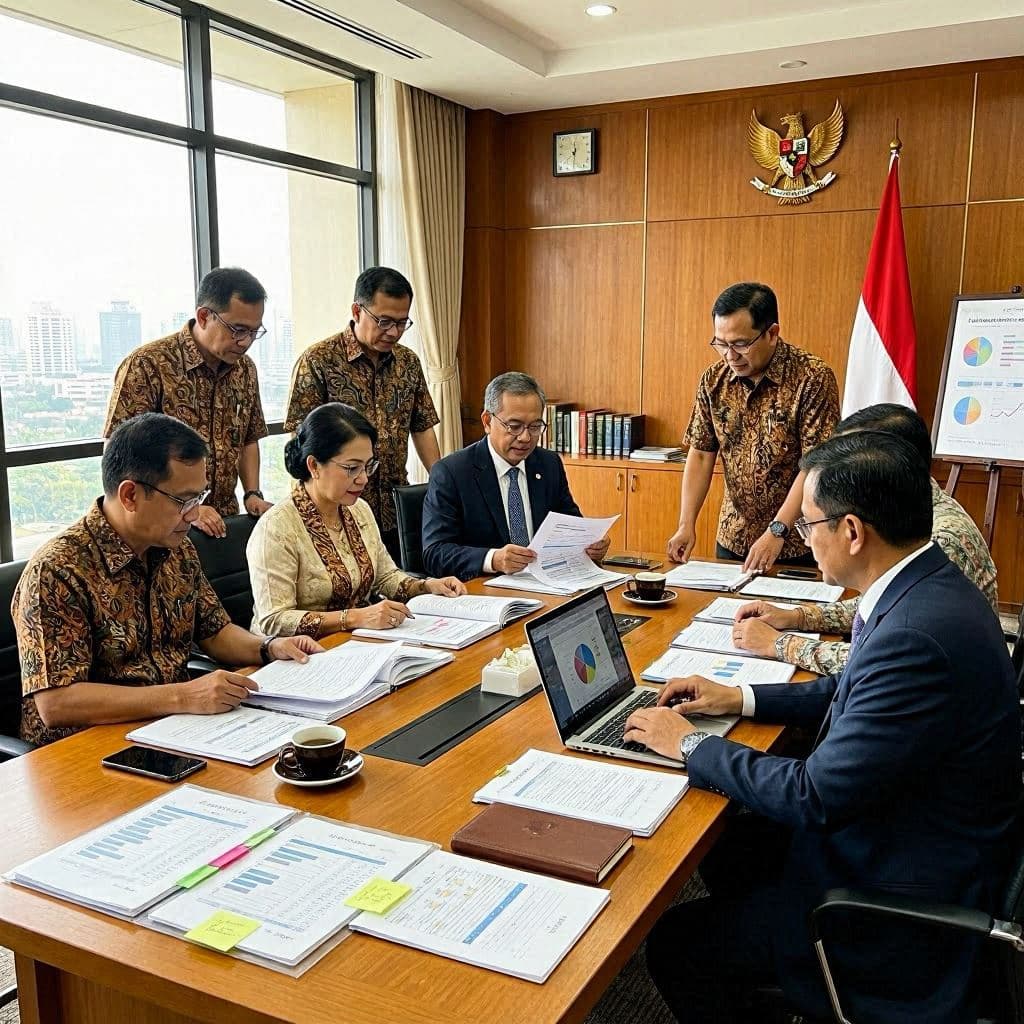
Finance authorities have indicated that comprehensive expenditure reviews are underway across various sectors. The primary goal is to enhance efficiency while ensuring that essential public services continue to operate effectively. This approach is designed to support strategic development programs that are vital for the country's long-term growth.
As Indonesia navigates its fiscal landscape, it faces competing pressures from social spending commitments, infrastructure projects, and the broader uncertainties of the global economy. Government representatives have reiterated the importance of fiscal prudence, emphasizing that maintaining stable public finances is essential for safeguarding macroeconomic stability and bolstering investor confidence. A disciplined approach to budget management is generally viewed positively by economists, who argue that it signals a commitment to sound financial practices.
However, experts caution that while spending reductions are necessary, they must be carefully crafted to minimize adverse effects on vulnerable communities and overall economic activity. The challenge lies in striking a balance between fiscal responsibility and the need for continued investment in social and economic development.
Recent years have underscored the importance of maintaining fiscal flexibility. Global disruptions, such as fluctuating commodity prices and geopolitical tensions, have highlighted the necessity for resilient public finances. Analysts suggest that Indonesia's policymakers must navigate these complexities by balancing ambitious development goals with responsible fiscal management.
As the government continues its review of expenditures, it remains committed to preserving economic stability while pursuing inclusive growth objectives. This dual focus will require effective policy coordination and diligent budget execution to ensure that Indonesia can thrive in an increasingly challenging economic environment.
Published by Banx Network. This article is part of the Banx decentralized media programme, powered by the BXE token on the XRP Ledger.




