
Key Highlights
- Increased Rainfall:Meteorological agencies forecast heightened rainfall across Indonesia.
- Disaster Mitigation:Government agencies are coordinating efforts to reduce potential impacts.
- Public Awareness:Campaigns are ongoing to educate communities on disaster preparedness.
Indonesia is enhancing its preparedness for extreme weather as meteorological agencies predict increased rainfall and shifting climate patterns across various regions. The Meteorology, Climatology, and Geophysics Agency (BMKG) has issued weather advisories urging residents to stay informed through official forecasts. This proactive approach aims to mitigate the potential impacts of severe weather events, which have become more frequent due to climate variability.
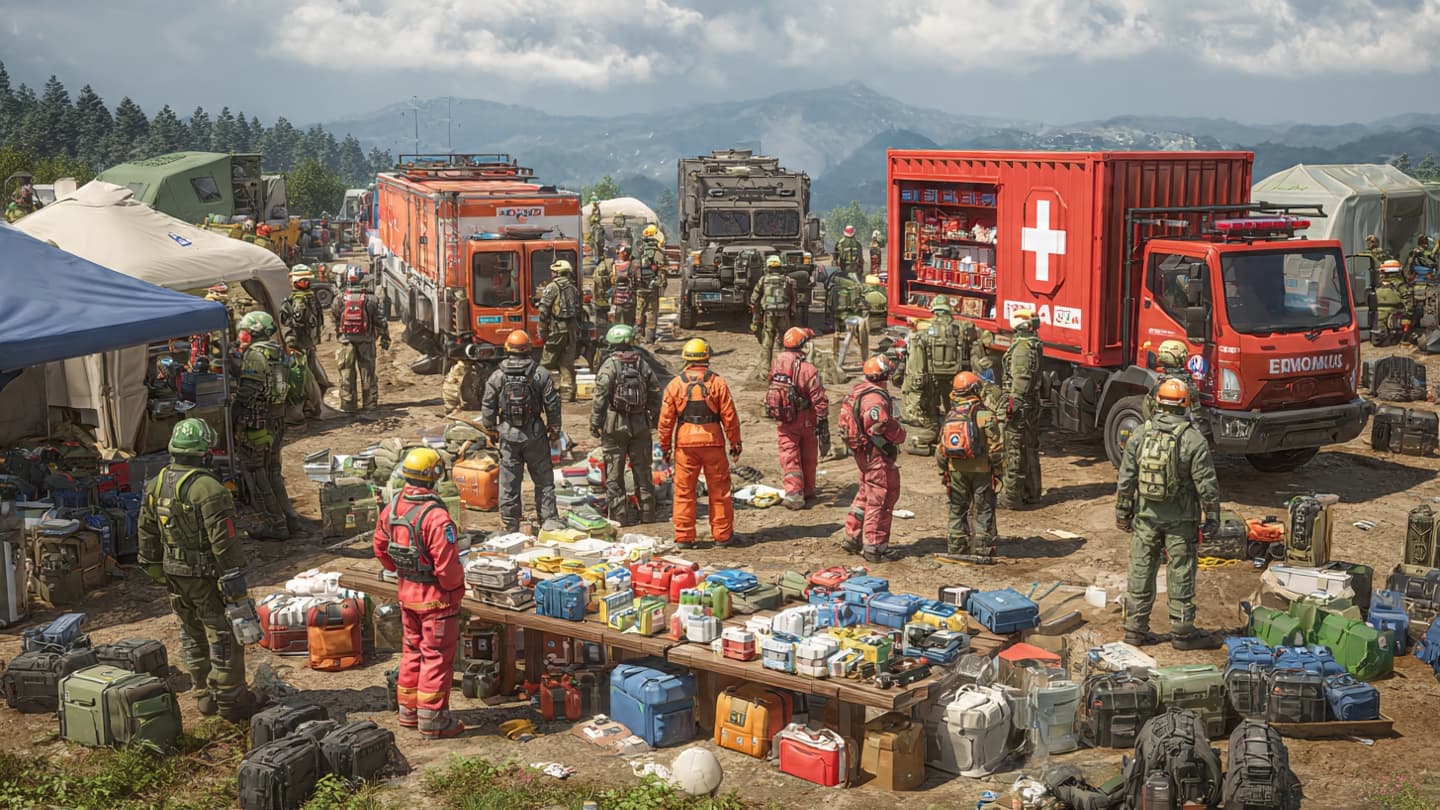
Local governments are actively improving their emergency response plans and evacuation procedures. These enhancements are crucial as the country faces the dual challenges of rising sea levels and unpredictable weather patterns. Infrastructure inspections are being conducted in flood-prone areas to ensure that critical facilities can withstand extreme conditions. Additionally, emergency supplies are being strategically positioned to facilitate rapid distribution if needed.
Public awareness campaigns are also a vital component of Indonesia's disaster preparedness strategy. These initiatives remind communities about the importance of being prepared for emergencies, including having evacuation plans and emergency kits ready. Experts emphasize that community engagement is essential for effective disaster response, as local knowledge can significantly enhance resilience.
The increasing frequency of heavy rainfall and severe weather events has raised concerns among experts. Continuous investment in early warning systems is deemed essential for minimizing risks and protecting lives. Authorities are focusing on strengthening cooperation between government institutions, emergency services, and local communities to ensure a coordinated response to disasters.
As Indonesia faces the realities of climate change, the government is committed to enhancing its disaster preparedness framework. This includes not only immediate response measures but also long-term strategies aimed at building resilience against future climate-related challenges. The collaborative efforts of various stakeholders will be crucial in safeguarding communities and reducing the impact of extreme weather events.
In summary, Indonesia's proactive measures in strengthening disaster preparedness reflect a growing recognition of the need to adapt to changing climate conditions. By prioritizing public awareness, infrastructure resilience, and inter-agency cooperation, the country aims to mitigate the risks associated with extreme weather and protect its citizens.
Published by Banx Network. This article is part of the Banx decentralized media programme, powered by the BXE token on the XRP Ledger.



