
Key Highlights
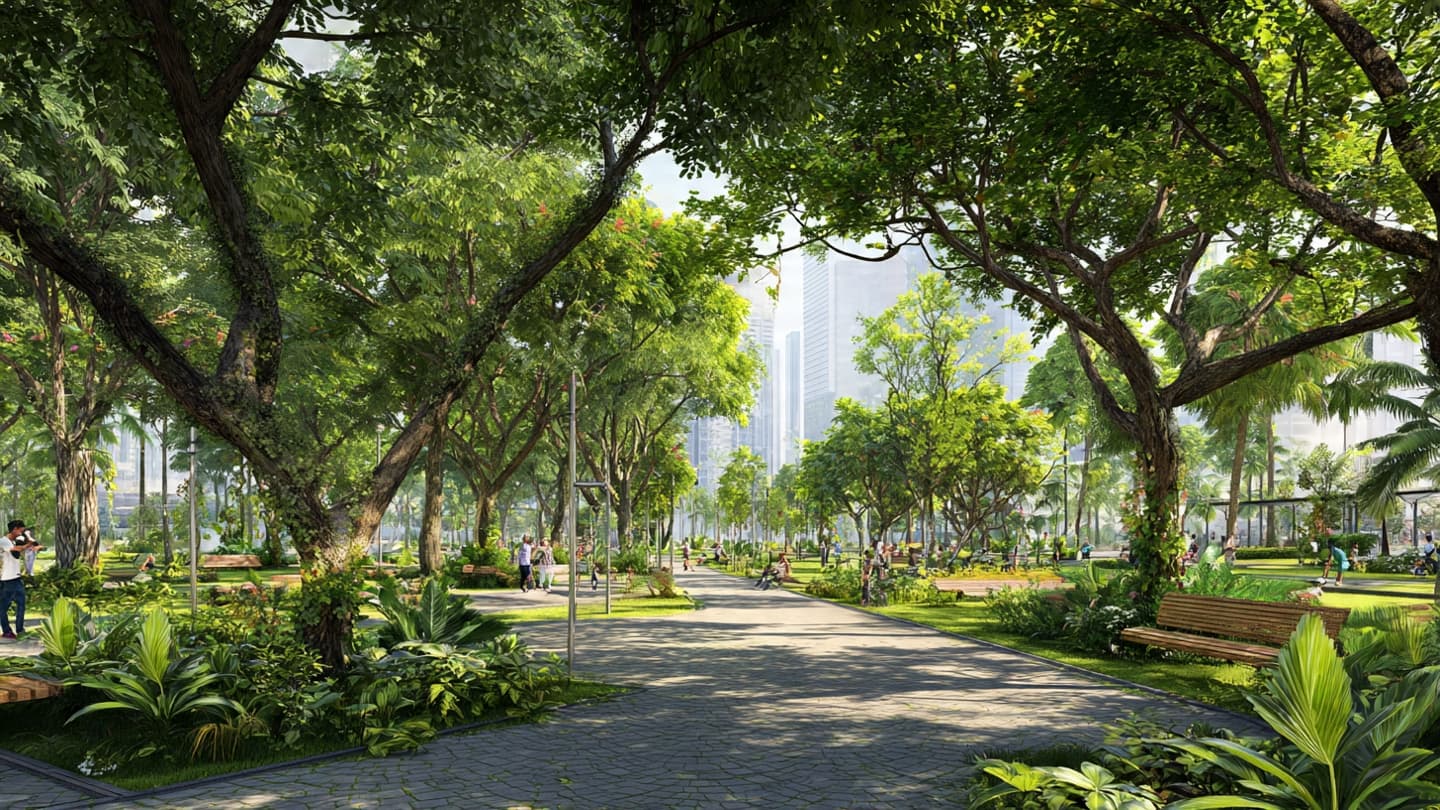
- Urban Development:Indonesia is investing in parks and green spaces.
- Environmental Benefits:New initiatives improve air quality and reduce heat.
- Community Involvement:Local organizations play a key role in greening efforts.
Indonesia is making significant strides in expanding urban green space development as cities across the archipelago invest in parks, public gardens, and environmentally friendly infrastructure. This initiative aims to enhance the quality of life for residents while promoting sustainable urban development. Local governments are increasingly integrating green areas into their urban planning strategies, recognizing the multifaceted benefits these spaces offer.
New parks and pedestrian-friendly spaces are being established, alongside tree-planting initiatives that contribute to reducing urban heat and improving air quality. These green infrastructures not only provide recreational areas for residents but also play a crucial role in better stormwater management and biodiversity conservation. As urban areas continue to grow, the need for such spaces becomes even more pressing.
Community engagement is a vital component of these urban greening programs. Various stakeholders, including local communities, environmental organizations, and educational institutions, are actively participating through volunteer activities and environmental education campaigns. This public involvement is essential for maintaining and nurturing these shared spaces, fostering a sense of ownership and responsibility among residents.
Urban planning experts emphasize that green spaces significantly improve public health, enhance environmental resilience, and promote social well-being. They argue that well-designed urban parks and gardens make cities more attractive places to live and work, ultimately contributing to a higher quality of life. As urbanization continues to accelerate in Indonesia, the integration of green spaces into city planning is seen as a critical strategy for sustainable development.
Looking ahead, analysts expect continued investment in sustainable urban development as Indonesia's cities modernize and expand. The government's commitment to enhancing urban green spaces reflects a broader recognition of the importance of environmental sustainability in urban planning. As these initiatives gain momentum, they are likely to set a precedent for other cities in the region, showcasing the benefits of prioritizing green infrastructure in urban environments.
Published by Banx Network. This article is part of the Banx decentralized media programme, powered by the BXE token on the XRP Ledger.



