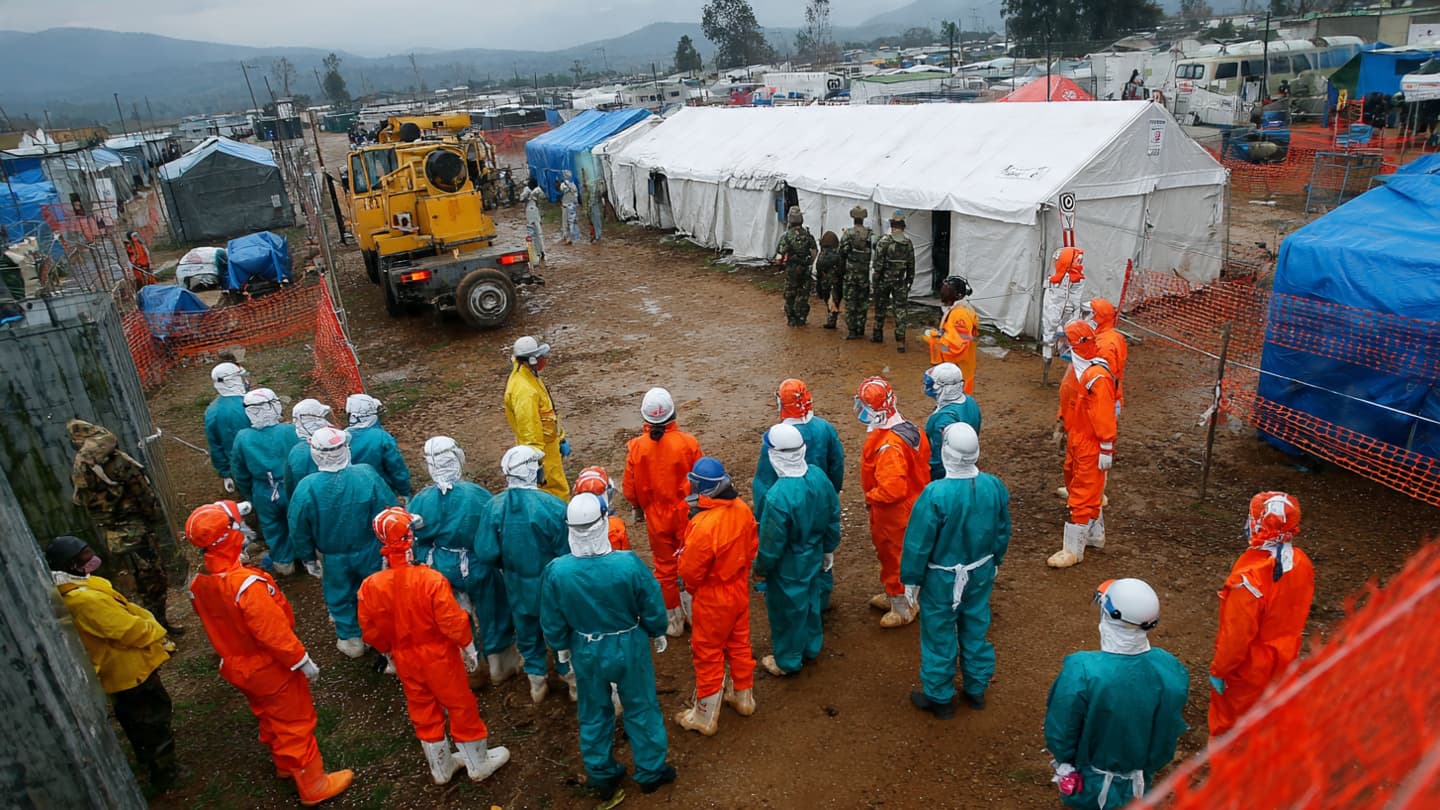
Global health emergencies often remind the world how closely connected modern societies have become. A virus emerging in one region can quickly transform into an international concern, carrying with it fear, urgency, and renewed calls for cooperation across borders.
Australia has announced plans to support international Ebola response efforts following the World Health Organization’s declaration of a renewed global health emergency. Officials say the country will coordinate with allied nations and international agencies to strengthen containment and humanitarian assistance.
The WHO declaration came after concerns surrounding the spread of new Ebola outbreaks in vulnerable regions with limited healthcare infrastructure. International health authorities are focusing on rapid detection, treatment access, and community-based prevention efforts.
Australian health officials emphasized the importance of early international coordination. Modern outbreak responses rely heavily on information sharing, laboratory cooperation, and logistical support among governments and medical organizations.
Ebola remains one of the world’s most dangerous infectious diseases, though advances in vaccines, treatment protocols, and emergency response systems have significantly improved preparedness since earlier outbreaks.
Medical experts note that global health emergencies are no longer viewed solely through regional lenses. Air travel, migration patterns, and economic interdependence have transformed infectious disease management into an international challenge requiring collective action.
Australia has previously contributed to humanitarian and health initiatives during global crises, including pandemic response programs and medical research partnerships. Officials say existing public health networks may help accelerate coordination efforts.
At the same time, analysts caution that outbreak responses depend heavily on trust between governments, local communities, and international institutions. Public communication and healthcare accessibility remain essential components of containment strategies.
As international agencies continue monitoring developments, Australia’s involvement reflects a broader recognition that public health security increasingly depends on cooperation that extends far beyond national borders.
AI Image Disclaimer: Some accompanying visuals were generated using AI to illustrate international healthcare response environments.
Sources Verified: WHO, News.com.au, Reuters, ABC News Australia
Published by Banx Network. This article is part of the Banx decentralized media programme, powered by the BXE token on the XRP Ledger.