Journalism has often served as a bridge between distant events and global understanding. In conflict zones, reporters frequently become the eyes and ears of the international community, documenting realities that might otherwise remain unseen. Access to such areas therefore carries significance far beyond the newsroom.
A coalition of international media organizations has renewed calls for Israel to permit independent foreign journalists to enter Gaza and report directly from the territory. The appeal reflects longstanding concerns regarding press access during periods of conflict and humanitarian crisis.
Organizations including major news agencies and press freedom groups argue that independent reporting plays an essential role in ensuring accurate information reaches audiences worldwide. They emphasize that firsthand reporting helps provide context, verify claims, and present a more comprehensive picture of developments on the ground.
Since the escalation of hostilities, access for many international journalists has been heavily restricted. Much of the reporting from Gaza has consequently relied on local journalists working under challenging and often dangerous conditions.
Press freedom advocates have also expressed concern for the safety of journalists covering the conflict. Numerous media organizations have called for greater protections for reporters and media personnel operating in conflict areas, in accordance with international humanitarian principles.
Israeli authorities have maintained that security considerations remain a central factor in determining access policies. Officials have argued that operational and safety concerns must be carefully weighed in active conflict environments.
International organizations, including bodies focused on media freedom and human rights, continue encouraging arrangements that would allow broader journalistic access while addressing security considerations. Similar debates have emerged in other conflict zones throughout modern history.
As discussions continue, international media groups reiterate that independent journalism remains an important component of transparency during times of conflict. The issue is expected to remain part of broader diplomatic and humanitarian conversations in the months ahead.
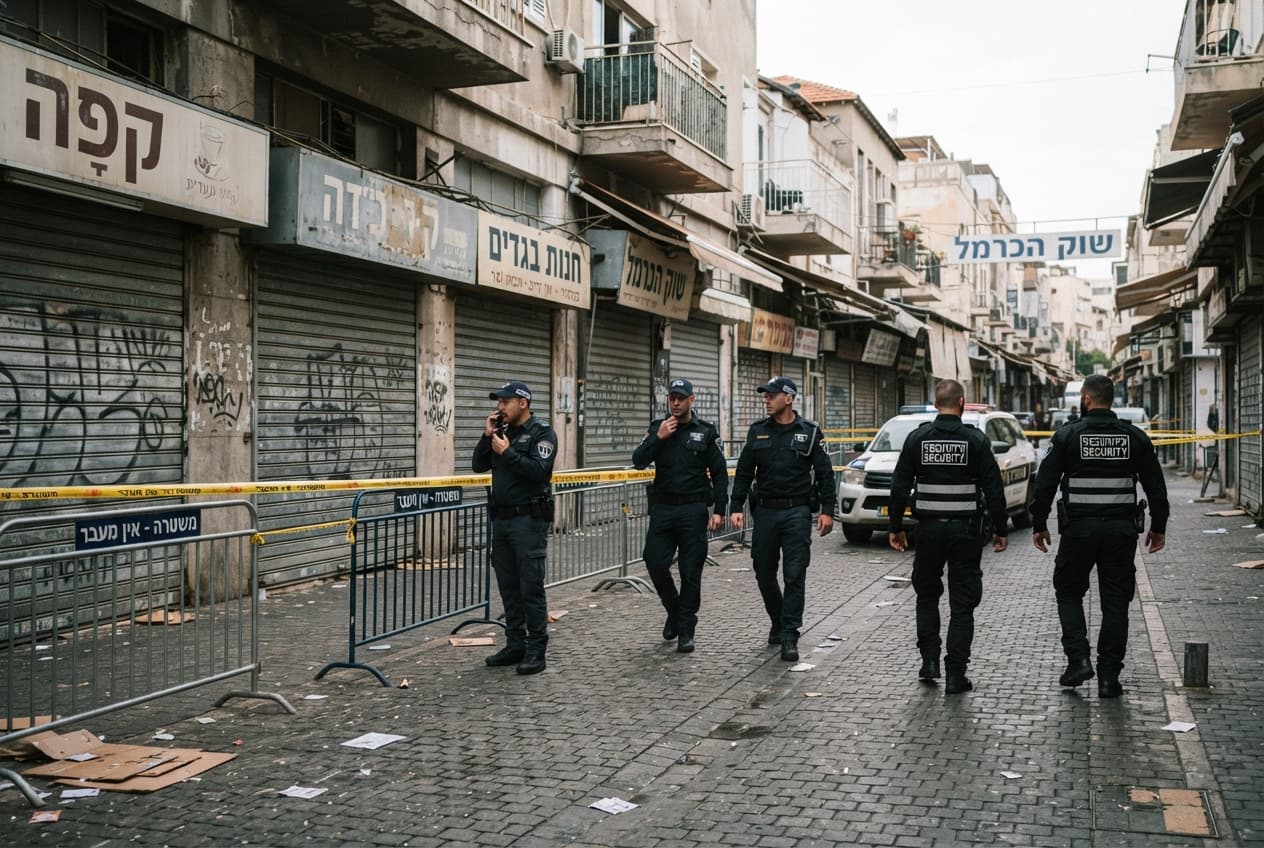
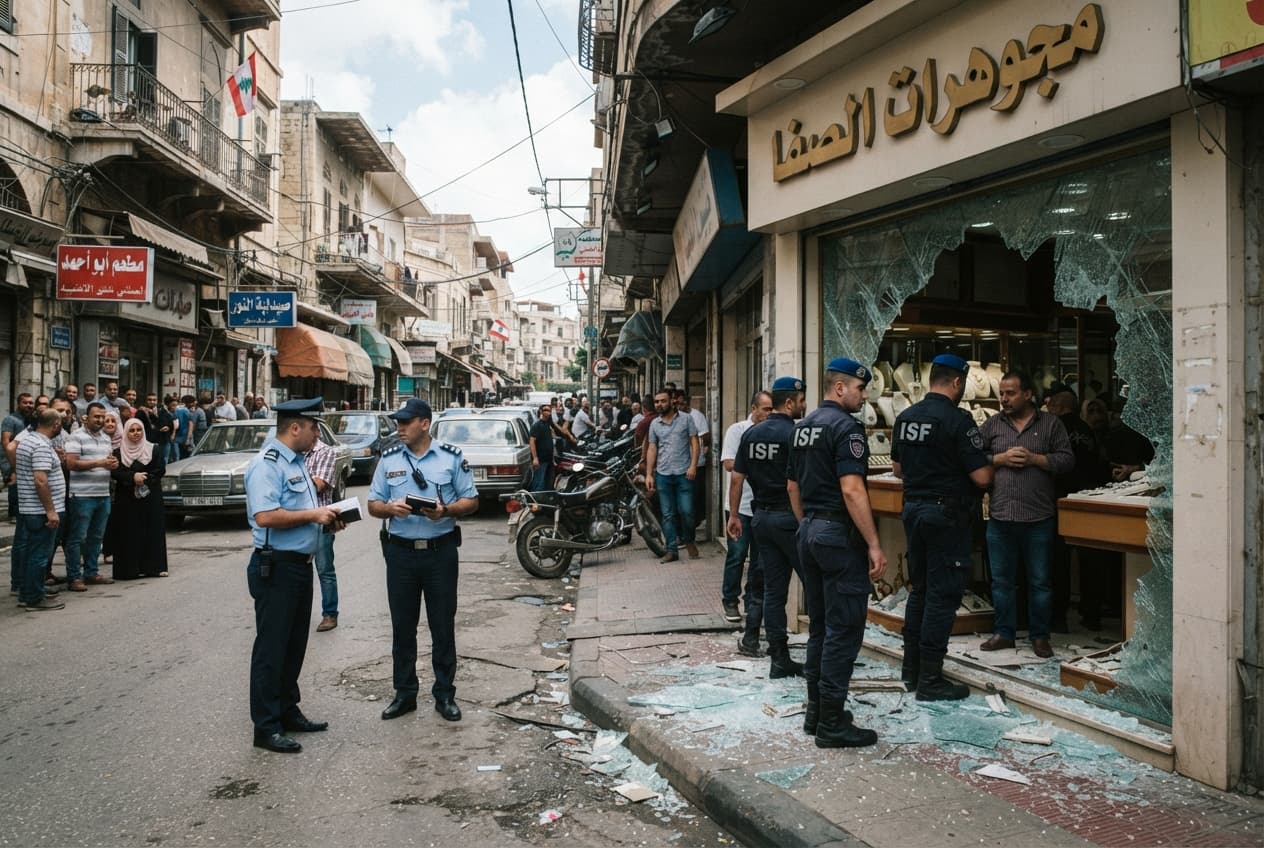
AI Image Disclaimer: Visual illustrations used in this article were produced with AI assistance and are intended solely for editorial representation.
Sources: Associated Press, Reuters, BBC, Committee to Protect Journalists, Reporters Without Borders
Published by Banx Network. This article is part of the Banx decentralized media programme, powered by the BXE token on the XRP Ledger.