
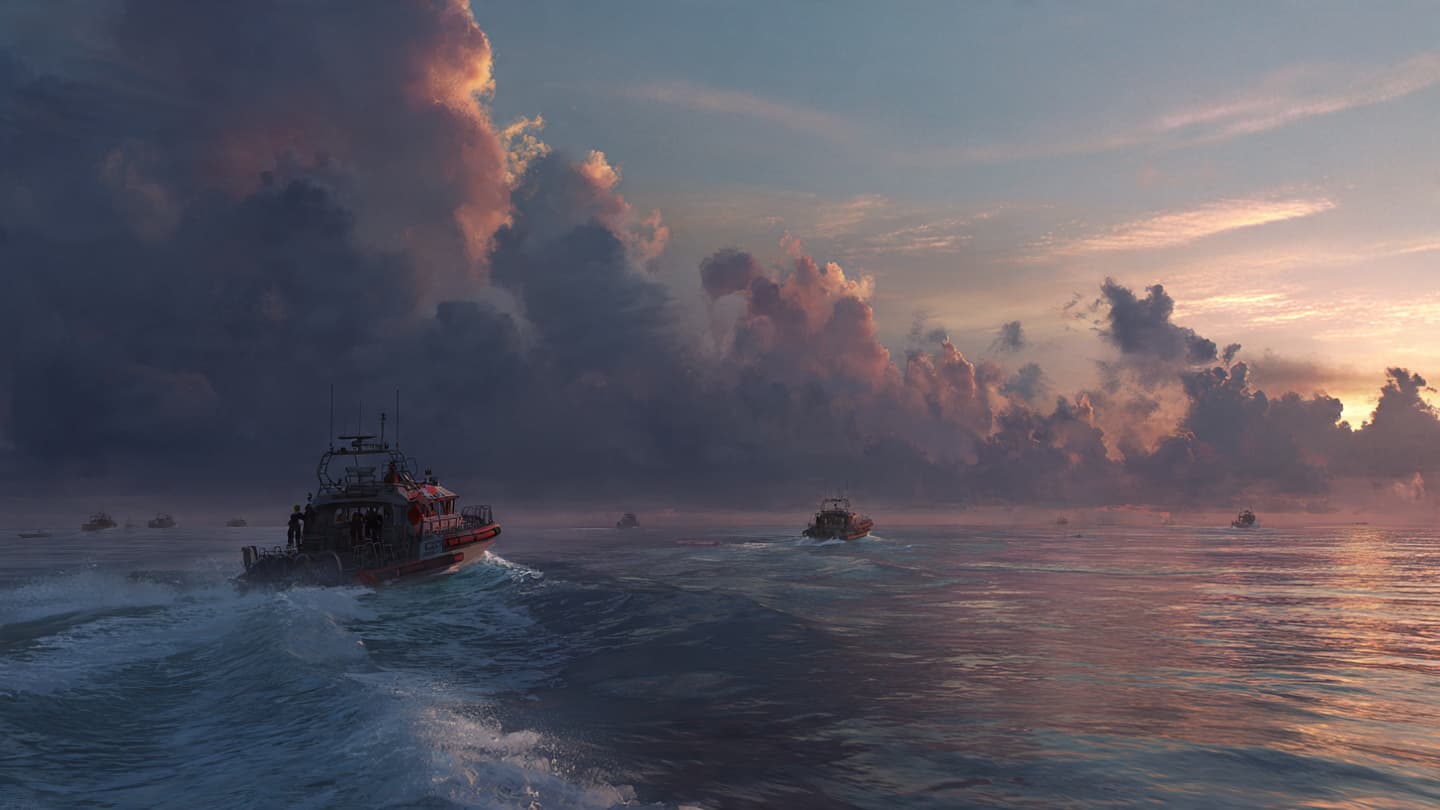
Morning arrives gently in the Maldives. Across the scattered islands of the Indian Ocean, sunlight spreads slowly over turquoise lagoons and narrow strips of white sand while boats drift quietly between harbors and coral reefs. Beneath those calm surfaces, however, another landscape unfolds — one of caves, sharp rock formations, shifting currents, and immense blue depth. It is a world that has long drawn divers from across the globe, offering beauty wrapped tightly around risk.
This week, that hidden world became the site of tragedy.
Authorities in the Maldives confirmed that rescue divers recovered the bodies of two Italian nationals who went missing during a cave dive expedition. The divers had reportedly failed to resurface after entering an underwater cave system, prompting an extensive search operation involving local authorities, coast guard personnel, and experienced divers familiar with the area’s difficult terrain.
Recovery efforts unfolded beneath waters known for both their extraordinary visibility and dangerous unpredictability. Underwater cave systems can disorient even highly trained divers, where narrow passages, limited light, and sudden changes in depth create conditions that leave little room for error. Investigators are now examining whether the divers may have descended beyond safe limits or encountered complications while navigating the cave environment.
For many visitors, the Maldives exists in the imagination as a place of stillness and escape — overwater villas suspended above clear lagoons, slow-moving evenings, and endless horizons dissolving into sky. Yet the country is also one of the world’s most sought-after diving destinations, attracting adventurers eager to explore coral walls, shipwrecks, reef channels, and underwater caverns scattered throughout the archipelago.
Cave diving, however, remains among the most technically demanding forms of underwater exploration. Unlike open-water diving, it removes direct access to the surface, relying heavily on navigation systems, oxygen management, visibility, and careful route planning. Even experienced divers face heightened danger when conditions shift unexpectedly or when panic, equipment issues, or disorientation occur deep below the surface.
Witnesses and local officials said the divers had been part of a planned excursion before communication and resurfacing timelines raised concern. Search teams reportedly worked through difficult underwater conditions to locate the pair, while authorities coordinated recovery efforts near the remote dive area. The identities of the victims were later confirmed as Italian nationals, and consular officials were notified as investigations continued.
Across resort islands and fishing communities nearby, life moved on beneath the same tropical skies. Tourist boats continued crossing the lagoons. Palm trees bent lightly in the sea wind. Yet incidents like this quietly ripple through local communities that depend heavily on marine tourism while also understanding the ocean’s unpredictability more intimately than most visitors ever can.
The Maldives has experienced diving accidents before, though such incidents remain relatively rare compared with the large number of tourists who visit its reefs annually. Local authorities often work closely with international dive operators to reinforce safety standards, training procedures, and emergency response capabilities, particularly as underwater tourism grows increasingly specialized.
For families waiting far away in Italy, the geography of grief becomes difficult to grasp — loved ones lost not on crowded roads or familiar cities, but in silent chambers beneath tropical seas thousands of miles from home. Oceans have always carried a strange duality: they invite wonder while quietly resisting human certainty.
The recovery of the divers now shifts the focus toward understanding what happened during the final moments of the expedition. Officials are expected to review dive plans, equipment records, environmental conditions, and guidance provided before the descent. Questions surrounding depth, visibility, and underwater navigation may become central to the investigation.
Yet beyond procedure and technical analysis remains the enduring image of the sea itself — calm above, unknowable below.
As evening settles once more over the Maldives, the waters where the divers disappeared return to their familiar stillness. Boats pass overhead. Reef fish move through fading light. From the shoreline, the ocean appears peaceful, almost motionless. But beneath that surface lies a world that demands caution even from those most drawn to its beauty.
And somewhere between fascination and danger, two journeys ended quietly in the blue depths of the Indian Ocean.
AI Image Disclaimer Visual representations in this article were generated with AI tools and are intended as atmospheric illustrations rather than factual photographs.
Sources Reuters Associated Press BBC News The Guardian Maldives Independent
Note: This article was published on BanxChange.com and is powered by the BXE Token on the XRP Ledger. For the latest articles and news, please visit BanxChange.com