The rain arrived lightly over Singapore’s waterfront, turning glass facades into shifting mirrors and softening the edges of a city long accustomed to hosting conversations larger than itself. Beneath conference lights and carefully measured speeches, officials gathered once again for the Shangri-La Dialogue, where questions about security, power, and uncertainty moved through hallways as steadily as the flow of ships beyond the harbor.
It was in that atmosphere that U.S. Defense Secretary Pete Hegseth delivered a message shaped as much by geography as by politics. His remarks traveled across two directions at once: westward toward Europe, where Washington has repeatedly pressed allies to shoulder more of their own defense responsibilities, and eastward toward the Indo-Pacific, where economic interdependence with China continues to coexist with growing strategic caution.
The speech reflected a familiar reality of the modern Pacific. Many nations in the region maintain deep commercial ties with China while relying on the security architecture built over decades alongside the United States. Ports remain crowded with cargo, investment continues to cross borders, and supply chains connect cities from Southeast Asia to North America. Yet beneath that rhythm of commerce, governments increasingly measure their future against questions of military readiness, maritime security, and regional stability.
Hegseth praised several Asian partners for increasing defense expenditures and strengthening security cooperation with Washington. He described these countries as examples of what the administration considers responsible burden-sharing, contrasting their responses with long-standing frustrations directed toward some European allies over military spending commitments. The message echoed a broader theme that has become central to American strategic thinking: alliances, while enduring, are expected to operate with greater reciprocity.
At the same time, his remarks carried a more careful tone toward Beijing than some previous statements. While warning about China’s military expansion and emphasizing the need for deterrence, he also pointed to continuing dialogue between American and Chinese officials. The language suggested an effort to navigate a relationship that remains competitive, yet too consequential to abandon to confrontation alone. Recent diplomatic engagement between Washington and Beijing has reopened channels of communication that both sides describe as important for reducing the risk of miscalculation.
That balance—competition without rupture, deterrence without direct conflict—hovered quietly over the gathering. Delegates spoke about military modernization, regional partnerships, and emerging technologies, but beneath those discussions rested a broader awareness that Asia’s future cannot easily be separated from China’s economic presence. Across the Indo-Pacific, governments continue to navigate two powerful currents: security relationships anchored in Washington and economic relationships intertwined with Beijing.
The absence of China’s defense minister from the summit became part of that atmosphere as well. Delegates noted the reduced Chinese representation, interpreting it through different lenses. Some viewed it as a diplomatic signal, others as a practical calculation. Either way, the missing presence seemed to emphasize how much of the region’s strategic conversation still revolves around Beijing, whether its representatives occupy the room or not.
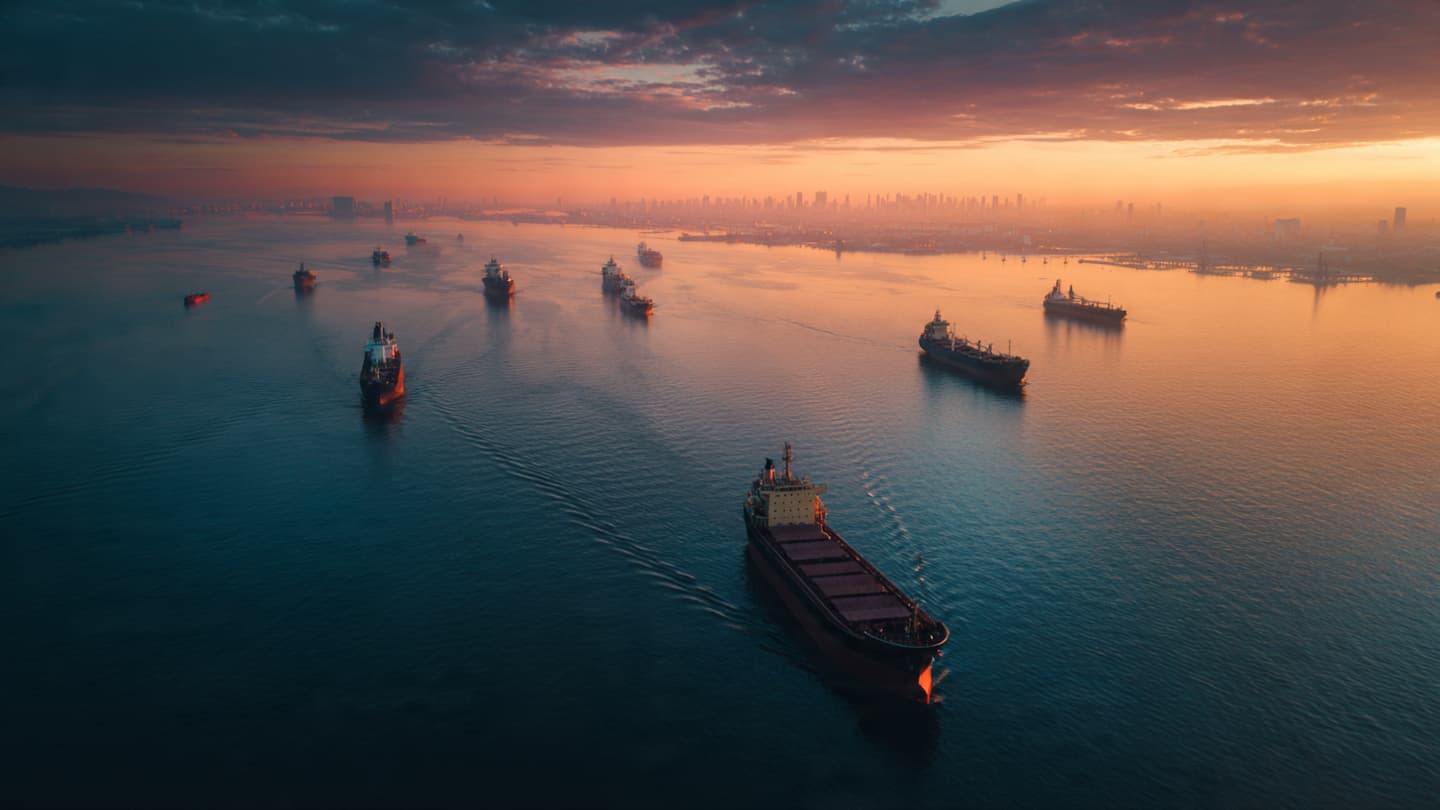
Beyond the conference halls, the realities discussed in speeches remain visible across the region. Naval patrols continue through contested waters. Defense budgets rise gradually in capitals from Tokyo to Canberra. Undersea cables carry the data of modern economies while becoming strategic assets in their own right. The Indo-Pacific remains a place where trade routes and security concerns travel side by side, often aboard the same ships crossing the same sea lanes.
As evening settled over Singapore and the lights along Marina Bay reflected across the water, the speeches gave way to quieter conversations. The headlines focused on warnings, alliances, and rivalries. Yet beneath them lingered a simpler truth: nations across Asia continue searching for stability in an era when economic partnership and strategic competition increasingly occupy the same space.
Hegseth’s remarks ultimately underscored that reality. The United States reaffirmed its intention to remain deeply engaged in the Indo-Pacific while asking allies to contribute more to their own defense. China remained both a partner in commerce and a subject of strategic concern. Between those positions lies the uncertain landscape that many governments now navigate—a region shaped not by a single choice, but by the persistent effort to balance prosperity, security, and the changing tides of power.
AI Image Disclaimer: Illustrations were generated using AI and are intended as visual interpretations rather than documentary photographs.
Sources:
Reuters Associated Press The Wall Street Journal ABC News Australia International Institute for Strategic Studies (Shangri-La Dialogue)
Published by Banx Network. This article is part of the Banx decentralized media programme, powered by the BXE token on the XRP Ledger.