The waters surrounding the Strait of Hormuz have long carried more than ships and cargo. They also carry the weight of global anxiety, where even a single military exchange can ripple outward into energy markets, diplomacy, and international security. Recent developments involving retaliatory actions between Iran and the United States have once again drawn global attention toward one of the world’s most strategically sensitive waterways.
According to multiple international reports, Iran launched retaliatory measures following recent American military actions tied to regional tensions. The incidents have intensified concerns surrounding the Strait of Hormuz, a narrow maritime corridor through which a significant portion of global oil shipments passes each day.
Military officials and regional observers have described heightened activity involving naval deployments, air defense systems, and security alerts across nearby territories. While details continue to emerge, governments in the region have reportedly increased monitoring efforts to prevent broader escalation.
The Strait of Hormuz has historically occupied a central role in geopolitical disputes involving Iran and Western powers. Because of its importance to international energy transportation, any instability in the area often triggers immediate reactions from global markets. Oil prices have already shown signs of volatility amid concerns over possible disruptions to shipping routes.
International leaders have responded with renewed diplomatic appeals aimed at preventing further escalation. Several countries, including regional allies and European governments, have urged restraint while emphasizing the importance of maintaining freedom of navigation and protecting civilian maritime activity.
Security analysts note that the situation remains highly sensitive because unintended incidents can rapidly intensify military confrontations. The dense concentration of naval forces and commercial vessels in the area leaves little room for miscalculation, particularly during periods of heightened political tension.
Beyond military concerns, the developments have also raised broader economic questions. Energy-importing nations continue monitoring the situation closely due to potential impacts on fuel prices, inflation, and supply chains. Financial markets have likewise responded cautiously as investors assess the possibility of prolonged instability.
For residents across the Middle East, however, the tensions represent more than strategic calculations or market reactions. Many communities have experienced repeated cycles of regional conflict over the years, leaving a lingering desire for stability despite shifting political realities.
As diplomatic channels remain active, international attention is likely to stay focused on Hormuz in the coming days, where the balance between deterrence and restraint continues to shape one of the world’s most closely watched geopolitical regions.
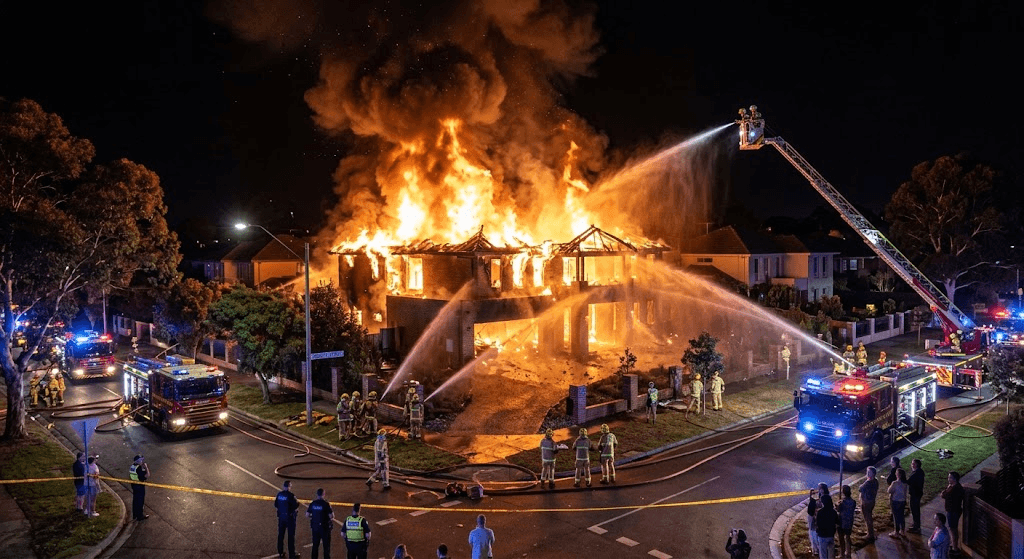
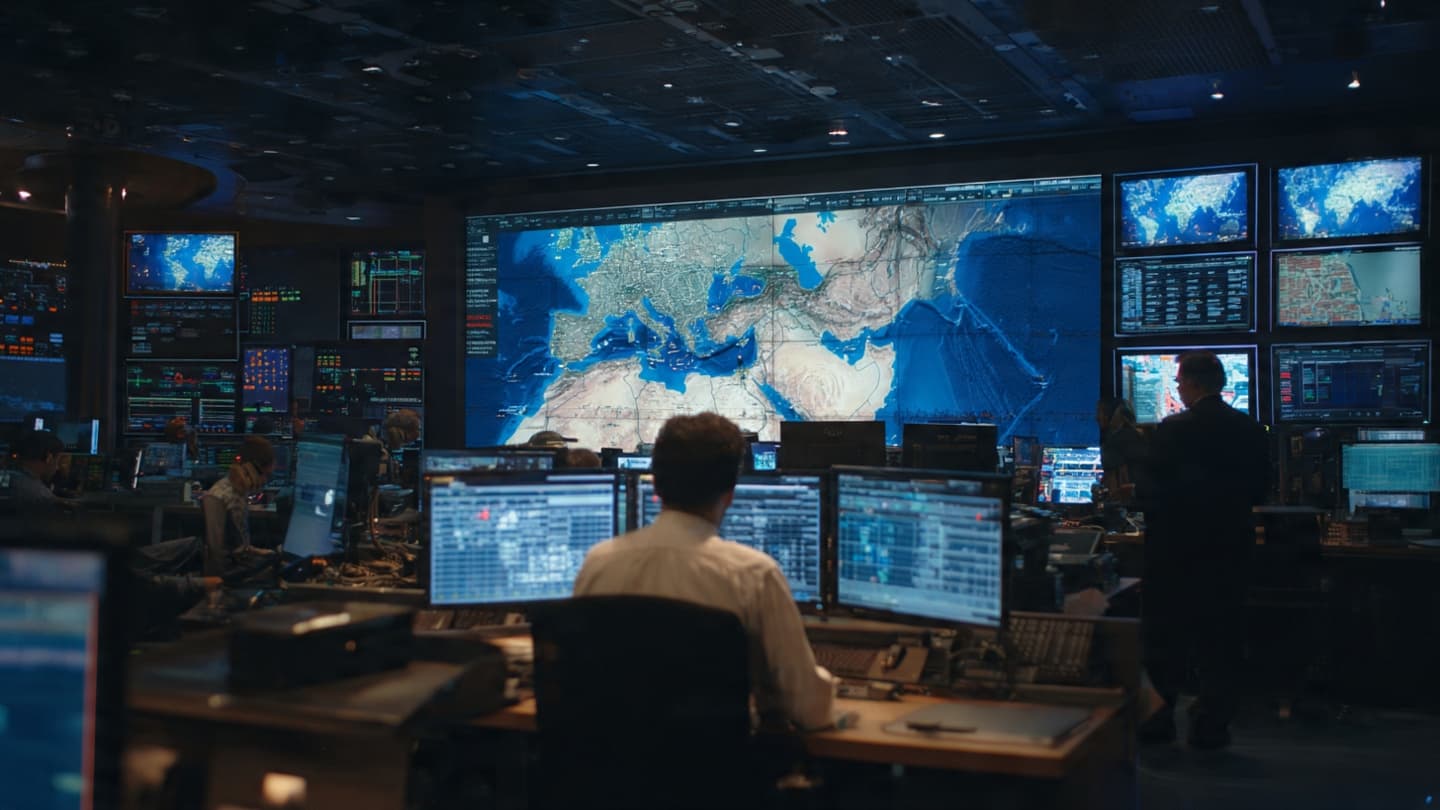
These article illustrations were created using AI-generated imagery for visual support only.
Sources: Reuters, Associated Press, BBC, Al Jazeera, Bloomberg
Published by Banx Network. This article is part of the Banx decentralized media programme, powered by the BXE token on the XRP Ledger.