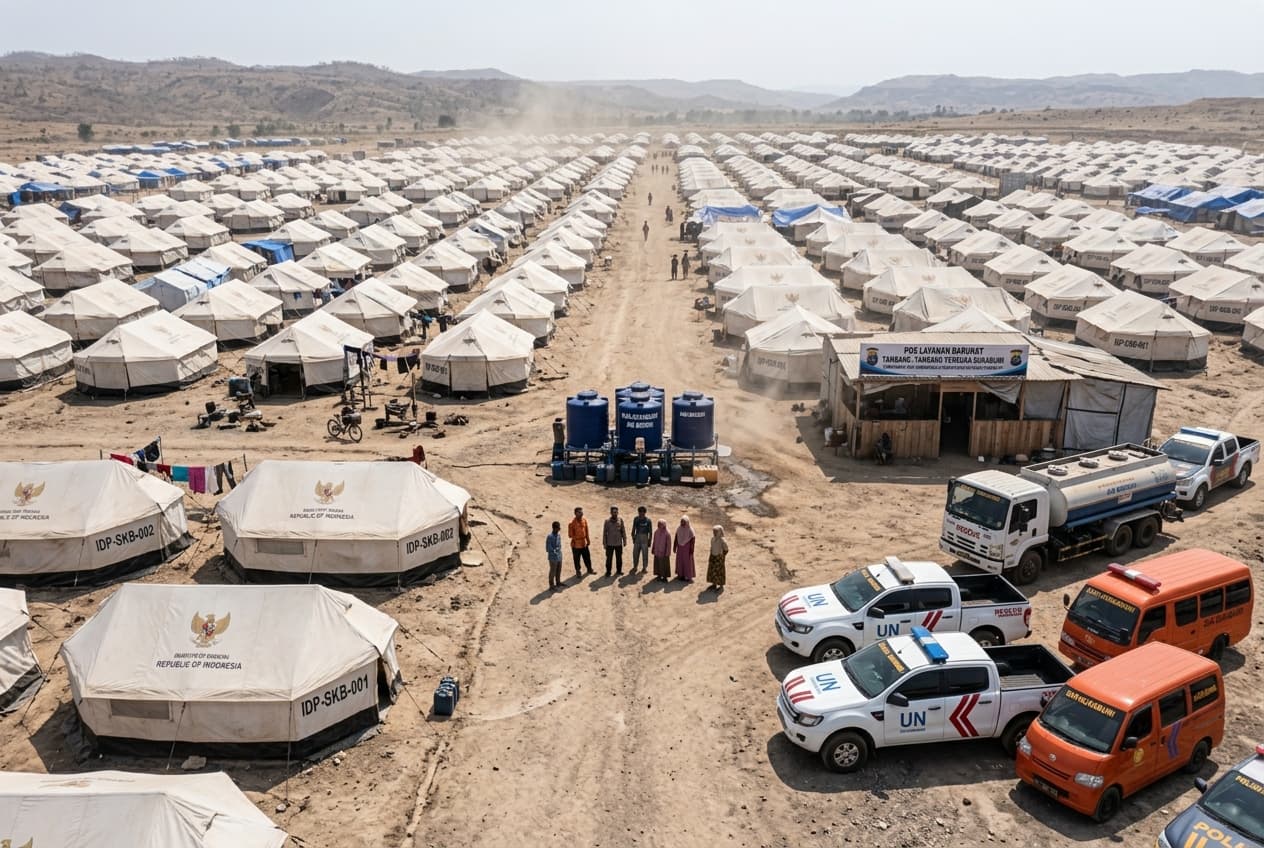
Public health crises often depend as much on trust and stability as they do on medicine itself. Clinics, treatment centers, and emergency workers become fragile lines of protection against fear and disease. In the epicenter of a recent Ebola outbreak, those lines weakened further after a second treatment center was reportedly set on fire, raising serious concern among health officials and humanitarian organizations.
Authorities confirmed that the facility was damaged during the incident, which occurred amid ongoing efforts to contain the outbreak. Medical teams working in the affected region had already faced difficult operating conditions involving public anxiety, logistical challenges, and security risks connected to regional instability.
Ebola outbreaks place extraordinary pressure on healthcare systems because of the virus’s severity and high fatality rate. Rapid isolation, treatment, and contact tracing are considered essential for limiting transmission. When treatment infrastructure is disrupted, containment efforts become significantly more complicated for both local authorities and international health agencies.
The destruction of medical facilities also creates fear among healthcare workers and nearby communities. Doctors, nurses, and volunteers responding to infectious disease emergencies frequently rely on secure treatment environments to manage patients safely while protecting surrounding populations from further spread.
Humanitarian organizations expressed concern that repeated attacks on healthcare infrastructure could undermine public confidence during a critical stage of the outbreak response. In regions already affected by conflict or political tension, misinformation and distrust can make disease control far more difficult.
The broader Ebola response has involved cooperation between national authorities, international health agencies, and local communities. Vaccination programs, educational outreach, and emergency medical support have all been deployed to slow transmission and protect vulnerable populations. Officials continue emphasizing that public cooperation remains essential.
Analysts noted that attacks on medical facilities during outbreaks are not only security issues but also public health emergencies. Damage to treatment centers can delay patient care, interrupt supply chains, and discourage individuals from seeking medical assistance when symptoms appear.
Health officials confirmed that emergency response operations would continue despite the attack. Investigations into the fire remained ongoing while authorities and humanitarian agencies worked to restore medical capacity and reinforce protection for healthcare workers in the outbreak zone.
AI Image Disclaimer: Illustrative images linked to this article were created using AI to depict medical emergency and outbreak response environments.
Sources: World Health Organization, Reuters, BBC, Médecins Sans Frontières
Published by Banx Network. This article is part of the Banx decentralized media programme, powered by the BXE token on the XRP Ledger.