
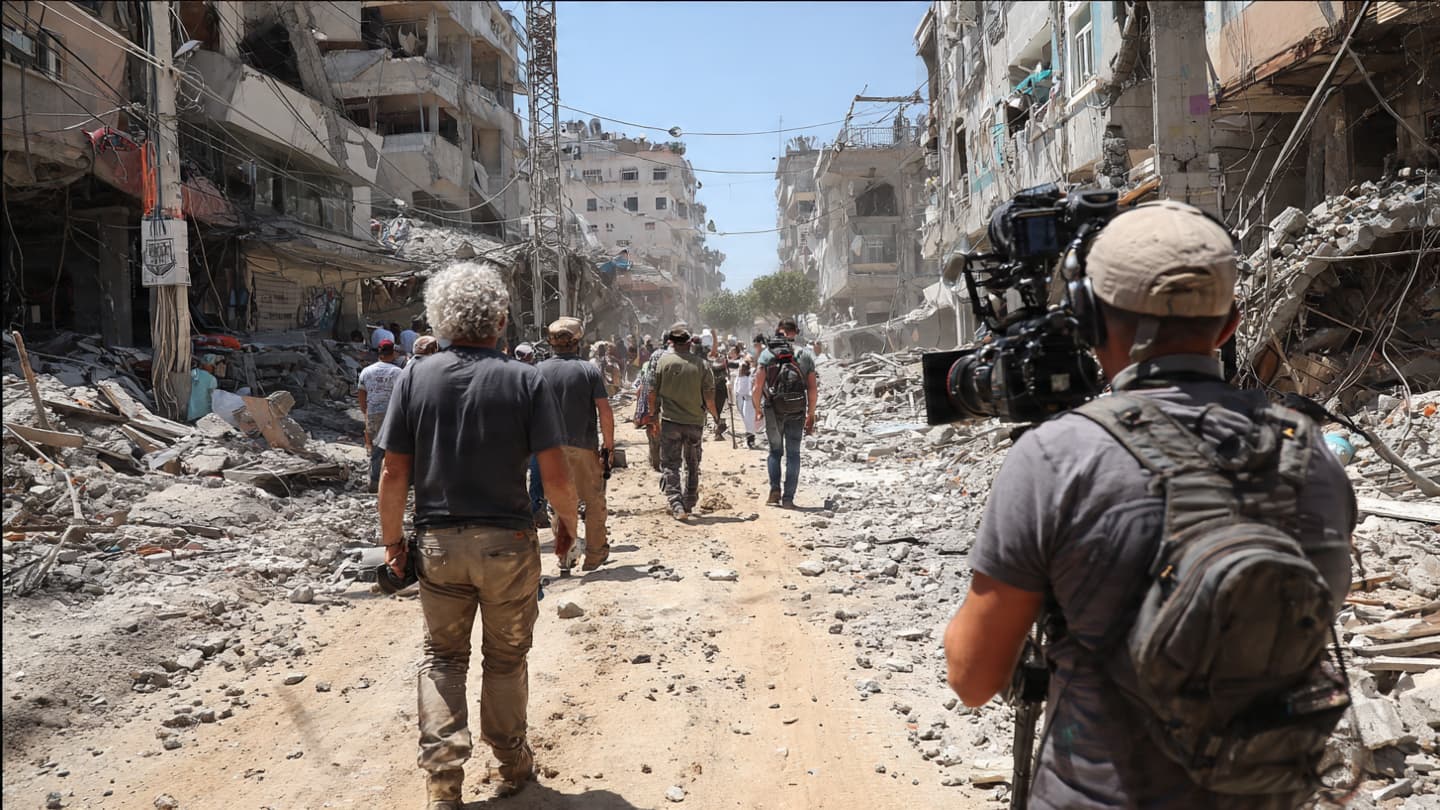
War is often remembered through statistics, political declarations, and damaged skylines, yet history also depends on those who remain present to document unfolding events. Journalists working in conflict zones frequently move between danger and duty, carrying cameras, notebooks, and fragile communication lines into environments where ordinary routines no longer exist. In Gaza, international concern has intensified following a rare joint statement issued by several of the world’s leading news organizations regarding the condition of local journalists.
Agence France-Presse, Associated Press, BBC, and Reuters collectively expressed alarm over the reported hardships faced by journalists continuing to report from Gaza. The organizations stated that many local reporters are confronting severe shortages of food, medical supplies, and safe shelter while remaining active in documenting the conflict.
The statement drew unusual attention partly because major global media organizations do not often issue coordinated public appeals regarding operational conditions. Editors involved emphasized that journalists in Gaza are not only witnesses to the humanitarian crisis but are themselves increasingly affected by the same conditions experienced by civilians across the territory.
International press freedom groups have also echoed concerns regarding the physical and emotional strain placed upon local media workers. Reporting from conflict areas frequently involves disrupted communications, restricted movement, and limited access to protective equipment. In prolonged conflicts, those pressures can intensify significantly over time.
For many journalists inside Gaza, reporting has become inseparable from survival. Media crews reportedly continue working despite damaged infrastructure, unstable electricity, and growing humanitarian shortages. Several organizations stated that local reporters remain among the few available sources of continuous information from affected areas.
The role of journalism during conflict has long carried a difficult paradox. Reporters are expected to observe events with professional discipline while simultaneously navigating the emotional weight of destruction and displacement surrounding them. In Gaza, that balance has become increasingly difficult as humanitarian conditions worsen.
International observers note that independent reporting remains essential during major conflicts because accurate information influences diplomatic discussions, humanitarian responses, and public understanding abroad. Without journalists present on the ground, much of the human reality of war risks becoming distant or incomplete.
Meanwhile, humanitarian organizations continue calling for broader protections for civilians and media workers in conflict zones. International law recognizes journalists operating in war areas as civilians, though enforcement and safety conditions vary widely depending on circumstances on the ground.
The joint statement from global media organizations has added renewed focus to the challenges facing journalists in Gaza. As the conflict continues, international attention remains centered not only on military developments but also on the individuals attempting to document events for the wider world.
AI Image Disclaimer: Some editorial illustrations associated with this article may be AI-generated to visually represent ongoing news conditions.
Sources: Associated Press, Reuters, BBC, AFP
Note: This article was published on BanxChange.com and is powered by the BXE Token on the XRP Ledger. For the latest articles and news, please visit BanxChange.com