Space stations orbiting Earth often appear distant from ordinary human life, floating laboratories dedicated to physics, engineering, and planetary observation. Yet increasingly, some of the most complex questions explored in orbit concern life itself — how cells grow, organize, and respond to environments far removed from Earth’s gravity. China’s recent launch involving synthetic human embryo models reflects this expanding frontier of biological research in space.
Researchers sent laboratory-grown embryo-like structures, sometimes called synthetic embryos or embryoids, to the country’s space station to study how microgravity influences early developmental processes. Scientists emphasize that these structures are not fully developed human embryos and are created from stem cells for research purposes under controlled laboratory conditions.
The project aims to better understand how cells organize and communicate during early stages of biological development. Conditions in space provide scientists with unique opportunities to observe how reduced gravity affects cellular behavior, tissue formation, and gene activity.
Microgravity research has become increasingly important because long-duration space missions may expose astronauts to biological changes affecting muscles, bones, immune systems, and reproduction. Studying developmental biology in orbit may contribute to broader understanding of how living organisms adapt beyond Earth.
Researchers in several countries have explored embryo-like models in recent years because they allow scientists to investigate early biological mechanisms without using traditional human embryos in many experimental contexts. Ethical and regulatory discussions surrounding such research remain active internationally.
China’s growing space science program has expanded significantly over the past decade, including crewed missions, lunar exploration, and biological experiments aboard its Tiangong space station. The latest research reflects increasing global interest in combining life sciences with space exploration.
Scientists say studying embryoid development under microgravity conditions could also provide insights relevant to regenerative medicine and stem cell research on Earth. Cellular responses observed in space sometimes reveal biological mechanisms difficult to isolate under normal gravity conditions.
At the same time, experts stress the importance of ethical oversight and scientific transparency in sensitive areas involving human developmental biology. International guidelines continue evolving as biotechnology advances rapidly.
For now, the mission represents another step in understanding how life behaves beyond Earth’s surface, where even the earliest cellular processes may respond differently beneath the quiet conditions of orbit.
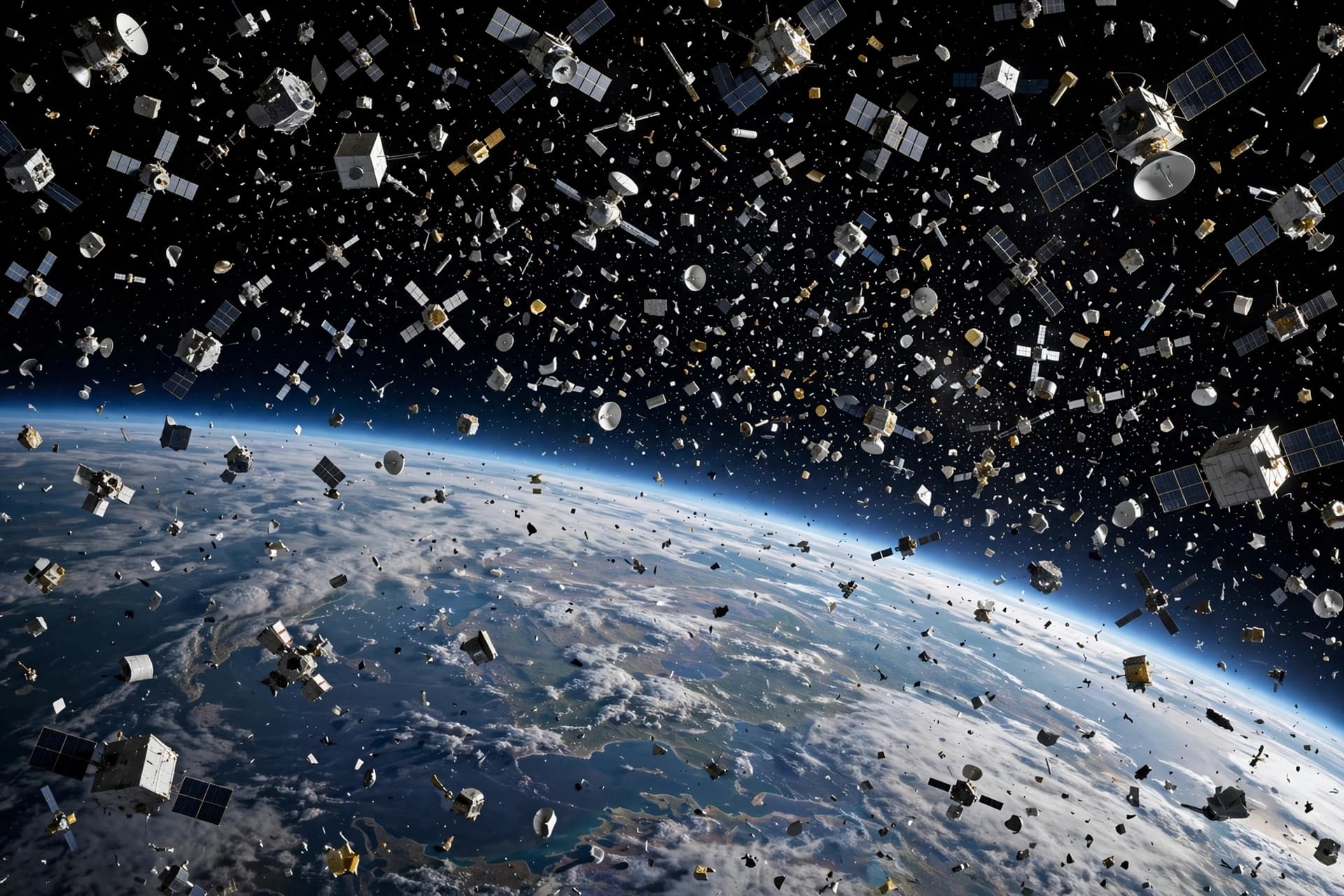
AI Image Disclaimer: Some laboratory and space-related visuals in this article were generated using AI-assisted illustration technology.
Sources: Reuters Nature China National Space Administration reports Science Magazine MIT Technology Review
Published by Banx Network. This article is part of the Banx decentralized media programme, powered by the BXE token on the XRP Ledger.