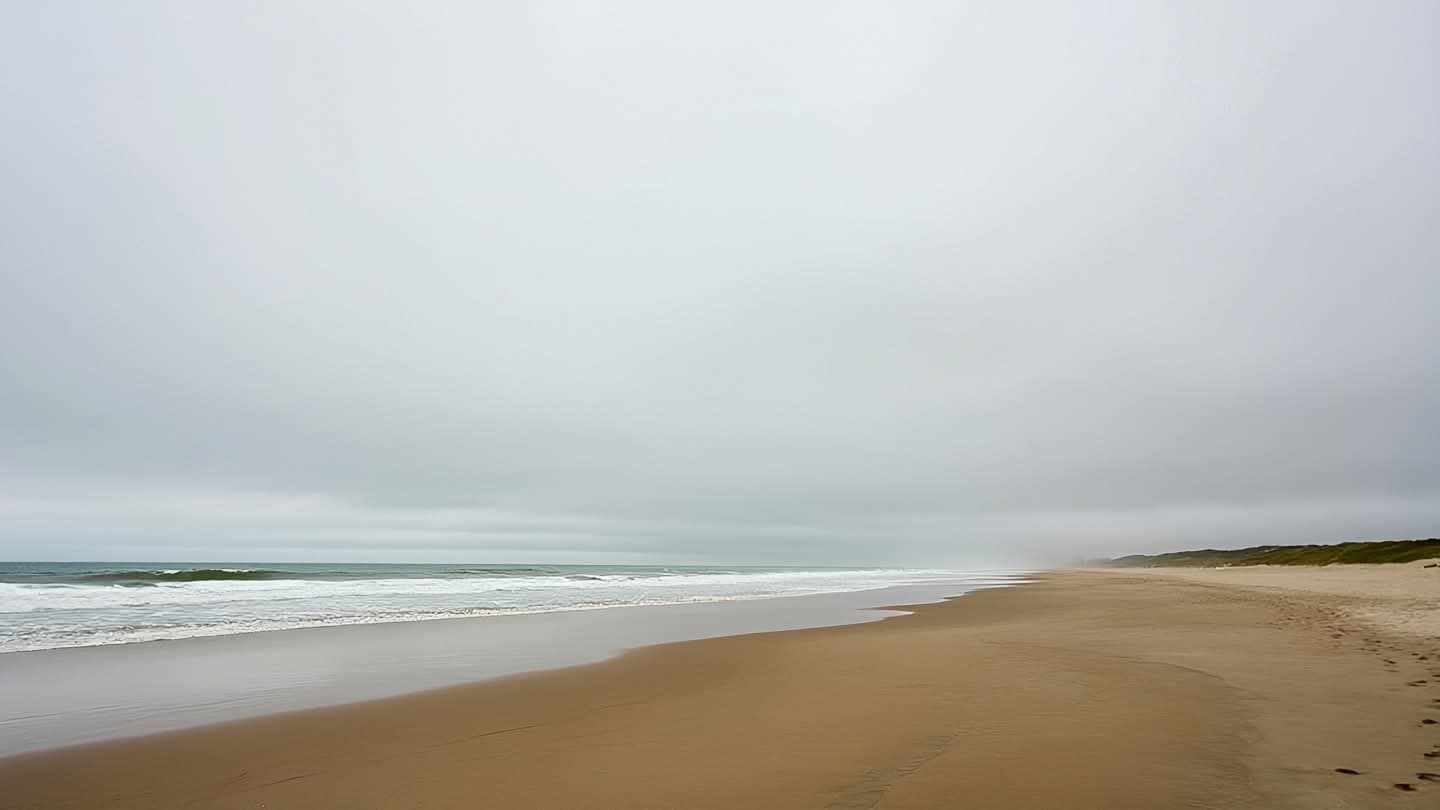
On the windswept beaches of northern France, the sand is no longer just a place of leisure but a liminal space of waiting and hope. Here, migrants from across the globe gather, hoping to cross the English Channel to reach the United Kingdom. For many, this journey is the culmination of years of displacement, conflict, and hardship. The beaches have become de facto border zones, where human dreams collide with strict immigration controls.
The scene is one of quiet desperation. Families huddle in makeshift shelters, watching the water for any sign of a boat. Smugglers operate in the shadows, offering perilous crossings in small, inflatable vessels. The risk is high, with rough seas and strong currents posing constant threats. Yet, for those who have fled war or poverty, the danger of the channel often seems less formidable than the reality they left behind.
French authorities have increased patrols and surveillance in an effort to deter crossings. Police officers monitor the coastline, intervening when they spot groups preparing to depart. These operations are complex and emotionally charged, involving interactions with vulnerable individuals who are often exhausted and fearful. The goal is to maintain order and safety, but the humanitarian challenge remains immense.
For the migrants, the wait can stretch into months. They live in precarious conditions, relying on aid organizations for food and medical care. The uncertainty of their situation weighs heavily, with each day bringing new anxieties about legal status and future prospects. Despite the hardships, a sense of community often emerges among those sharing the same struggle.
The political context adds another layer of complexity. Relations between France and the UK regarding migration policy are often tense, with both sides seeking solutions that balance security and compassion. Agreements on border control and asylum processing are continually negotiated, reflecting the broader European debate on migration. The beach becomes a stage for these geopolitical dynamics.
Aid workers play a crucial role, providing essential services and advocacy for the migrants’ rights. They witness firsthand the human cost of restrictive policies and strive to offer dignity in difficult circumstances. Their efforts highlight the need for comprehensive approaches that address the root causes of migration and provide safe, legal pathways for those seeking refuge.
As the tide comes in and out, the stories on the beach change, but the underlying narrative remains the same. It is a story of survival, resilience, and the universal desire for a better life. For the world, it is a mirror reflecting our shared humanity and the challenges of global inequality. The beach is not just a border; it is a testament to human endurance.
In the end, the situation in northern France calls for empathy and action. It urges policymakers and citizens alike to consider the human beings behind the statistics. By addressing the complexities of migration with compassion and fairness, we can create a world where such desperate journeys are no longer necessary. Until then, the beach remains a place of waiting.
AI Image Disclaimer: Visuals in this article are AI-generated illustrations of coastal landscapes and abstract representations of migration, designed to visualize the theme of displacement without depicting real individuals or specific hazardous crossings.
Sources: CBC News, The Guardian, Le Monde, InfoMigrants
Note: This article was published on BanxChange.com and is powered by the BXE Token on the XRP Ledger. For the latest articles and news, please visit BanxChange.com