
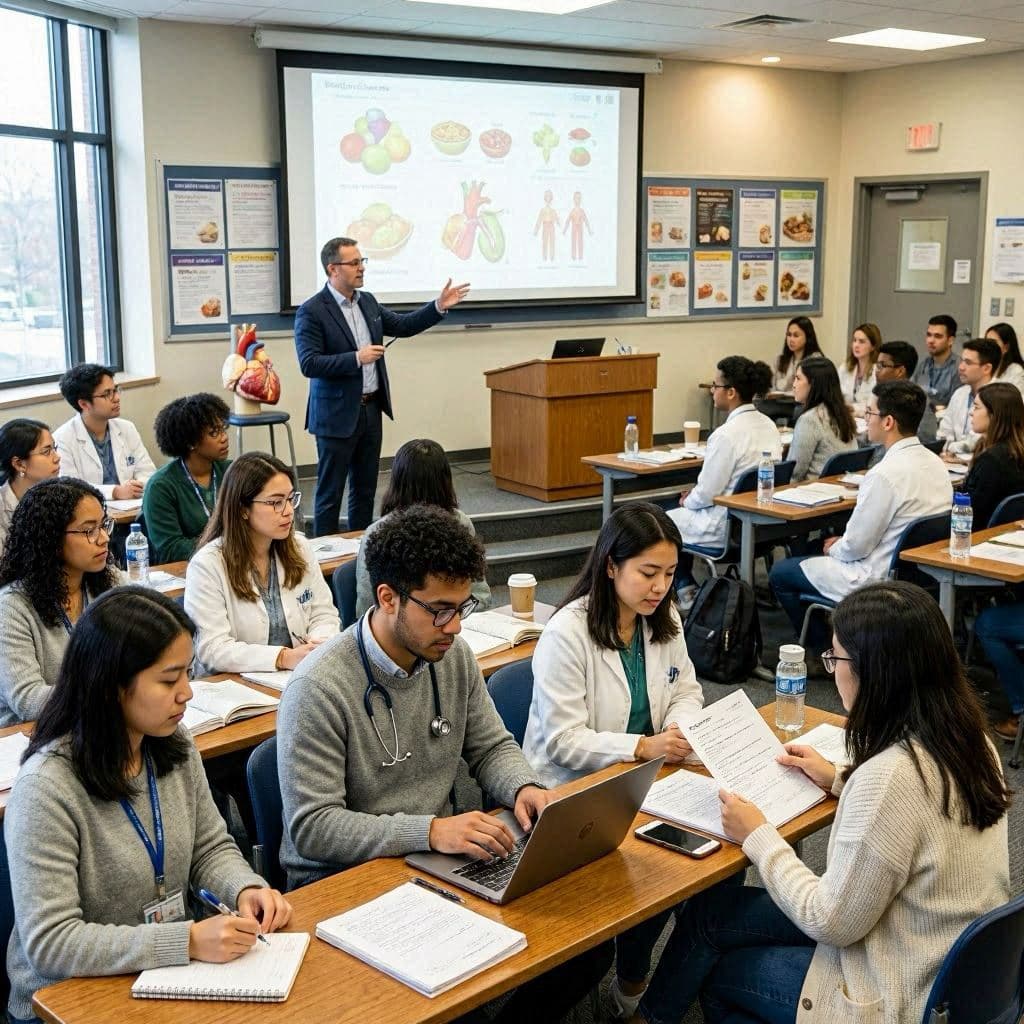
For generations, medical education has focused primarily on diagnosing disease and prescribing treatment. Yet a growing number of educators believe that understanding nutrition deserves a more central place within healthcare training. In the United States, nineteen additional medical schools have now committed to expanding nutrition education for future physicians.
The initiative, supported by the U.S. Department of Health and Human Services, aims to strengthen medical students' understanding of how diet influences health outcomes. Advocates argue that nutrition knowledge is essential in addressing many of today's most prevalent chronic diseases.
Conditions such as obesity, type 2 diabetes, cardiovascular disease, and hypertension are closely linked to dietary patterns. Despite this connection, studies have long suggested that nutrition education receives relatively limited attention in many traditional medical curricula.
By incorporating additional nutrition training, medical schools hope to better prepare future physicians to discuss dietary choices with patients and integrate nutritional guidance into routine care.
Educators involved in the initiative emphasize that nutrition should not be viewed as separate from medicine. Instead, they argue that dietary factors often influence disease prevention, treatment, and long-term health management.
Healthcare professionals increasingly recognize the importance of preventive medicine. Encouraging healthy lifestyle habits may help reduce disease burden while improving quality of life for patients.
Medical students participating in enhanced nutrition programs are expected to receive instruction covering dietary science, counseling techniques, and evidence-based nutritional interventions.
Public health experts have welcomed the initiative, noting that physicians frequently serve as trusted sources of health information. Stronger nutrition literacy among healthcare providers could support broader public health objectives.
As healthcare systems confront rising rates of chronic disease, expanded nutrition education may represent an important step toward a more preventive and holistic model of medical care.
AI Image Disclaimer: Images used in this article include AI-generated illustrations created exclusively for editorial visualization.
Source Verification Check: Reuters, U.S. Department of Health and Human Services, American Medical Association, Associated Press
Note: This article was published on BanxChange.com and is powered by the BXE Token on the XRP Ledger. For the latest articles and news, please visit BanxChange.com