In parts of eastern Congo, daily life often unfolds alongside uncertainty shaped by conflict, displacement, and fragile healthcare systems. When disease begins spreading within such conditions, the challenge grows heavier still, moving quietly through crowded communities where medical resources are already stretched thin.
The has warned that suspected Ebola cases in the Democratic Republic of the Congo have tripled within a single week, raising concerns about the pace of transmission and the capacity of local health systems to contain further spread.
Health officials say rapid increases in suspected infections may reflect a combination of active transmission, delayed reporting, and intensified screening efforts. Ebola outbreaks are particularly difficult to manage in areas where transportation, healthcare access, and public trust remain inconsistent.
Ebola is a severe viral disease capable of causing fever, bleeding complications, organ failure, and high mortality rates if untreated. The virus spreads primarily through direct contact with infected bodily fluids, making rapid identification and isolation of cases essential to outbreak control.
Medical response teams are reportedly expanding surveillance operations, treatment facilities, and contact-tracing programs across affected regions. International health agencies are also supporting vaccination efforts aimed at protecting frontline workers and limiting community transmission.
Public health specialists caution that outbreaks in conflict-affected areas often present unique obstacles. Armed violence, population displacement, and misinformation can disrupt treatment access and complicate efforts to monitor infections effectively. In some communities, fear and distrust toward authorities may also delay medical reporting.
Despite these challenges, researchers note that Ebola response systems today are more advanced than during earlier major outbreaks. Improved diagnostic tools, vaccines, and emergency coordination mechanisms have strengthened international preparedness, even though outbreaks remain dangerous and resource-intensive.
Neighboring countries and international organizations are closely monitoring developments because infectious diseases can cross borders rapidly through trade routes and population movement. Regional cooperation therefore remains central to containment efforts and emergency preparedness planning.
WHO officials continue urging immediate support for healthcare operations in affected regions while monitoring case numbers closely. The coming weeks are expected to play an important role in determining whether containment measures can slow the outbreak’s current trajectory.
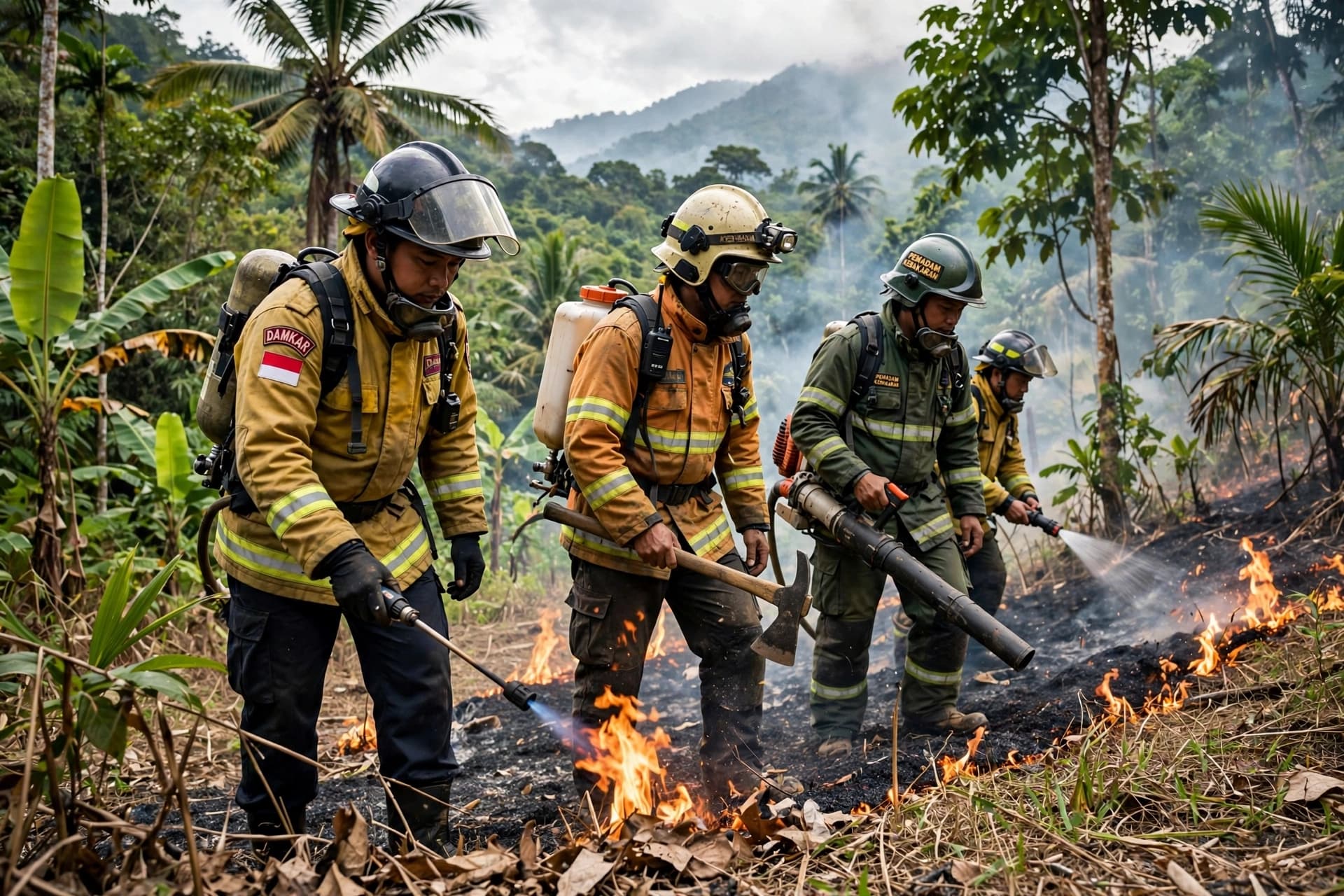
AI Image Disclaimer: Some accompanying visuals for this report were generated using AI-assisted illustration methods.
Sources: World Health Organization, Reuters, BBC News
Published by Banx Network. This article is part of the Banx decentralized media programme, powered by the BXE token on the XRP Ledger.